6 Signs Your Dog May Need More Daily Exercise and How to Fix It
Last Updated on October 4, 2026
Unspent physical energy causes most sudden indoor misbehavior, and spotting the 6 signs your dog may need more daily exercise helps you fix it safely. It’s safe to keep walking your dog right now, provided they show no limping or labored breathing. Check your dog’s rest patterns over the last 24 hours: if they pace the room or nudge your hands for attention within 30 minutes after coming inside, they have surplus energy to burn.
Recognizing the signs you need more daily exercise
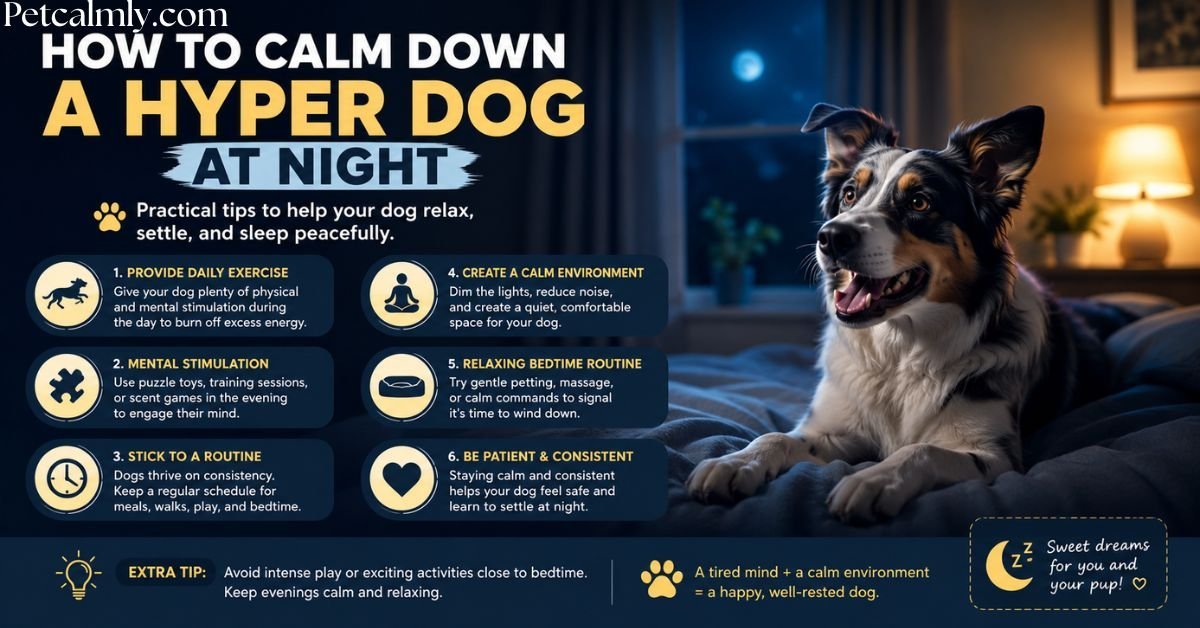
Your dog shows clear physical clues when their daily routine leaves too much fuel in the tank.
| What you notice | What it usually means | What to do first |
|---|---|---|
| Chewing furniture or baseboards | Excess energy turned into destructive boredom | Offer a durable rubber chew toy |
| Barking at windows continuously | Pent-up frustration from low daily activity | Walk for 15 brisk minutes |
| Running room to room repeatedly | Sudden release of stored physical energy | Play fetch in a hallway |
| Restless pacing through the night | Body didn’t tire enough today | Add one evening sniff walk |
| Pulling harder than normal outside | Built-up excitement to finally move fast | Practice stop-and-go leash steps |
| Pawing at your legs constantly | Request for engagement and active play | Spend 10 minutes on obedience |
Unspent physical energy from short walks
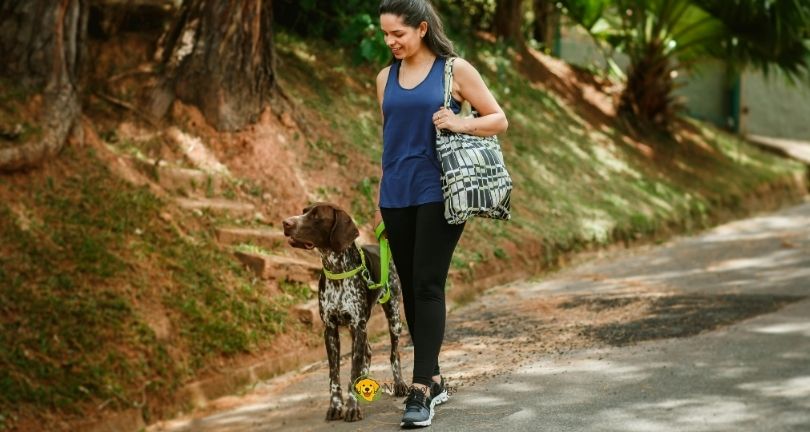
A dog’s body produces energy daily that must be spent through muscle movement and heart rate elevation. You can confirm this within one minute without any tools: clip on the leash right now and walk out the door. If your dog bolts ahead instantly, strains against their collar, and pants with wide eyes, their daily distance is too short.
Mental boredom from lack of sensory work
Physical movement alone doesn’t tire the brain, which needs sensory processing to trigger deep rest. Dogs explore the world through scent, and walking the exact same pavement route at a fast pace gives them no mental workout. Confirm this cause by dropping 10 small dry kibble pieces across your living room rug. If your dog searches methodically with their nose down for three straight minutes and lies down right after, their issue is boredom rather than pure muscle stamina.
The fix is changing how you walk, not just the distance. Let them sniff trees, posts, and grass patches for 10 minutes without pulling them away. You’ll know it worked when your dog sighs, curls up, and stops scanning the room.
Weight gain from low daily movement
Extra body weight builds up quietly when food intake exceeds daily energy burn over several months. This problem is different from sudden hyperactivity or boredom because the dog looks heavier, moves slower, and tires out earlier on gentle hills. Assuming an older dog sleeps more just because of age is a mistake that masks creeping obesity. Check your dog by running your hands lightly down their ribcage. If you can’t easily feel the ribs without pressing hard, they aren’t burning enough calories.
According to veterinary guidance published by the UC Davis School of Veterinary Medicine, regular exercise combined with portion control is essential to reverse canine obesity and protect joints. Cut back daily treats and add 10 minutes of gentle, level-ground walking twice a day. You’ll know it worked when their waistline narrows inward behind the ribs over the next month.
When to stop and get help
Stop increasing exercise immediately if your dog displays any of these warning signs:
- Limping or favoring one leg, which indicates joint strain or muscle tears.
- Heavy panting with dark purple gums, because this signals impending heatstroke.
- Sitting down mid-walk and refusing to move, which means acute physical exhaustion.
- Wheezing or coughing during movement, since this points toward heart or airway trouble.
This exercise plan isn’t for dogs with diagnosed heart conditions, severe arthritis, or active injuries. Exercise needs vary by breed and health, so check your dog’s medical records before making changes. When joint pain or breathing trouble appears, stop DIY workouts completely and take your dog to a licensed veterinarian.
Frequently asked questions
How long should I walk my dog every day?
About 30 to 60 minutes for most healthy adult dogs, split into two separate outings. High-energy working breeds need up to two hours daily, while small toy breeds stay healthy on 20 to 30 minutes. Check your breed’s baseline standard on official kennel club guides.
Can a dog get destructive just from lack of exercise?
Yes, because trapped physical energy creates frustration that dogs relieve by chewing, digging, or shredding items. When their bodies don’t burn off normal daily energy outdoors, they direct that physical force toward indoor objects like sofas, shoes, and door frames to keep their muscles working.
What happens if an active dog doesn’t get enough exercise?
Weight gain, joint stiffness, and chronic anxiety develop over weeks of low physical activity. If energy has no healthy outlet, dogs often bark at small noises or show leash aggression.
Why does my dog zoom around the house every evening?
Sudden running bursts happen because your dog saved up physical energy all day while resting indoors. It’s their body’s fastest way to burn off adrenaline before sleeping.
Is it safe to exercise a puppy for an hour at once?
No, because young puppy joints and growing bone plates can’t take long, continuous impact on hard surfaces. Stick to short bursts of five minutes of walking per month of age, twice a day. A four-month-old puppy should only walk for 20 minutes in a single outing.
Does playing fetch count as daily exercise?
Yes, fetch burns muscle energy quickly through short, fast sprints that raise your dog’s heart rate. However, 15 minutes of fetch should balance with normal walking, because sprinting doesn’t provide the slow sniffing and environmental exploration that keeps a dog’s brain calm indoors.
Final Thoughts
You don’t need to change your entire routine overnight to see a difference. Try adding just ten minutes of brisk walking or a quick game of fetch to your afternoon schedule tomorrow. You’ll likely notice your pup settles down much faster, making your evenings together a lot more peaceful and fun.