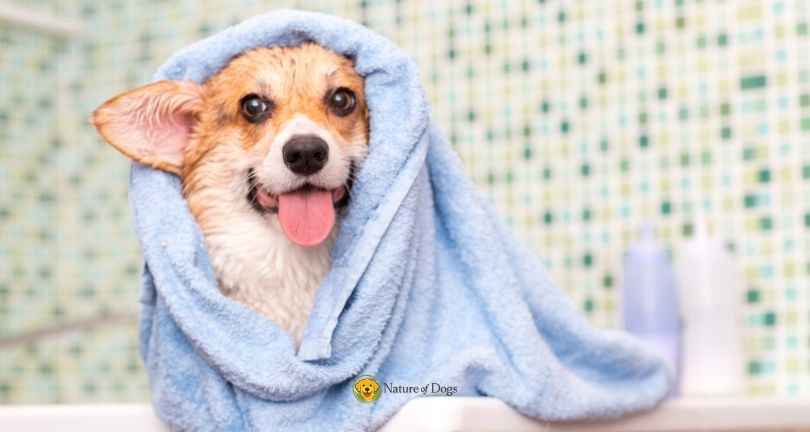
How to Bathe a Dog That Hates Water: Calm Step-by-Step Guide
Last Updated on October 4, 2026
Bathing a dog that hates water can feel like a major challenge. Some dogs tremble, hide, bark, scratch, try to escape, or freeze the moment they realize bath time is coming. For many owners, the experience becomes stressful for both the dog and the person holding the shampoo bottle.
The good news is that most dogs can learn to tolerate baths better with the right approach. The key is to move slowly, stay calm, use positive reinforcement, and avoid forcing your dog into a frightening situation too quickly.
Dogs may dislike water for many reasons. Some had a bad past experience, some hate slippery tubs, some are scared of running water, and others simply do not like feeling trapped or wet. Understanding your dog’s fear is the first step toward making bath time easier.
In this guide, you’ll learn how to bathe a dog that hates water, how to prepare before the bath, how to keep your dog calm, what mistakes to avoid, and how to make future baths less stressful.
Why Do Some Dogs Hate Water?
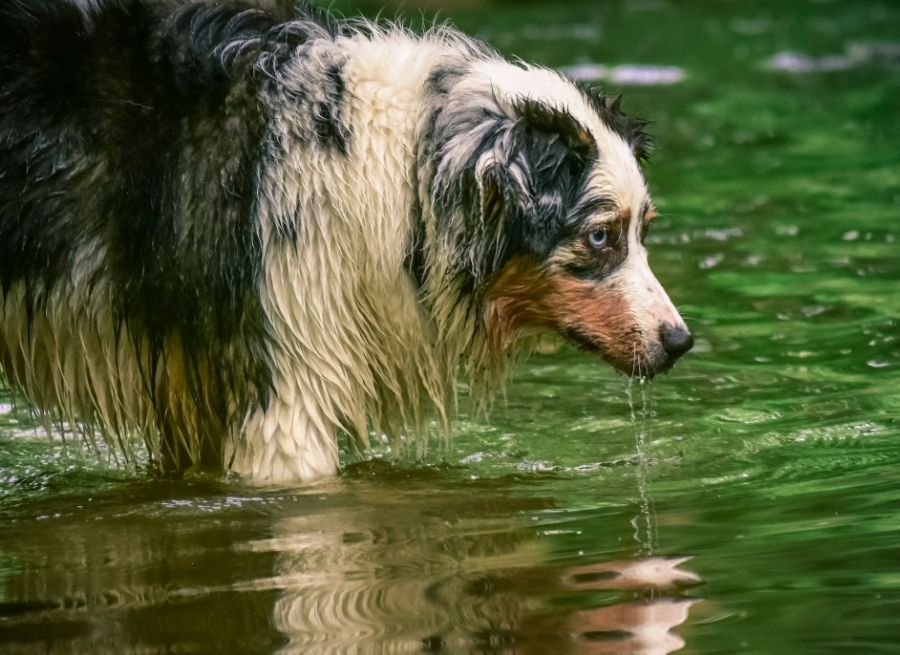
Not all dogs enjoy water. Some breeds love swimming and splashing, while others prefer to stay completely dry. If your dog hates baths, it does not necessarily mean they are being stubborn. They may be scared, uncomfortable, or overwhelmed.
A dog may hate water because of:
- A bad previous bath experience
- Fear of loud running water
- Slippery bathtub surfaces
- Water getting in their ears, eyes, or nose
- Cold water
- Being restrained
- Strong shampoo smells
- Sensitive skin
- Lack of early exposure to water
- Anxiety or fear of new situations
- Past trauma or rough handling
For many dogs, the bath itself is not the only problem. The entire routine may feel scary: being picked up, placed in the tub, hearing water run, feeling trapped, and being handled all over.
Before You Bathe Your Dog: Prepare Everything First
Preparation is one of the most important parts of bathing a dog that hates water. If you have to leave the room to find shampoo, towels, or treats, your dog may become more anxious or try to escape.
Before bringing your dog to the bath area, gather everything you need.
You will need:
- Dog-safe shampoo
- Several towels
- Non-slip mat or towel for the tub floor
- Cup, pitcher, or handheld sprayer
- High-value treats
- Brush or comb
- Cotton balls if recommended by your vet
- Washcloth for the face
- Leash or helper if needed
- Hair dryer on a low setting, if your dog tolerates it
Choose a calm time of day when your dog is not already excited, tired, or overstimulated. Avoid rushing. A nervous dog can sense your stress, so staying patient matters.
Read More – How Often Should You Wash a Dog Bed? Complete Cleaning Guide
How to Bathe a Dog That Hates Water
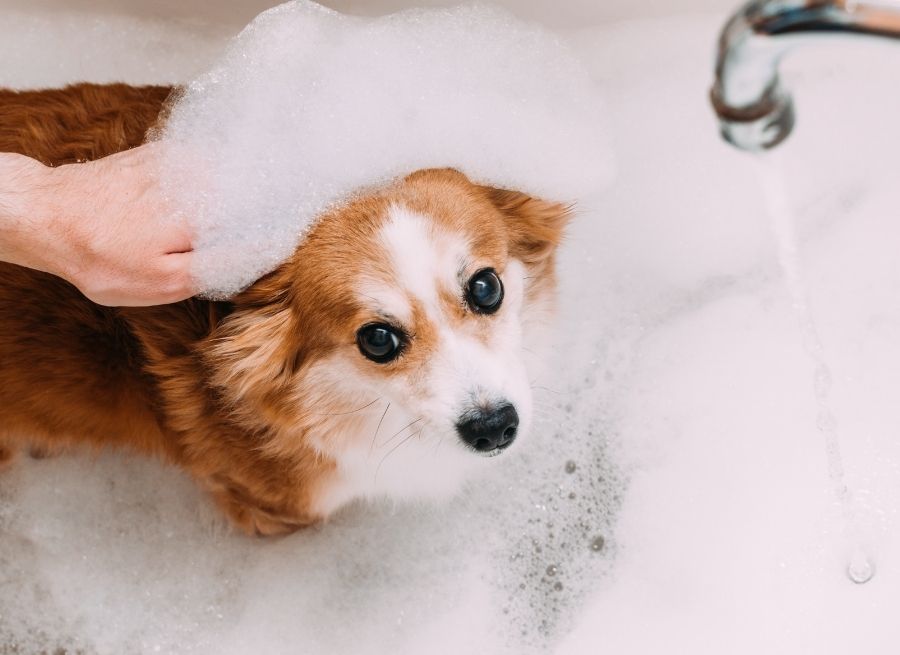
To bathe a dog that hates water, start by making the environment calm and safe. Use a non-slip surface, lukewarm water, gentle handling, treats, and a slow approach. Avoid spraying your dog suddenly or forcing them into the tub aggressively.
The goal is not just to get your dog clean. The goal is to help your dog feel safer so future baths become easier.
Step 1: Exercise Your Dog First
A short walk or gentle play session before bath time can help release extra energy. A dog that has had a chance to move around may be calmer and less likely to fight the bath.
However, avoid making your dog overly tired or overheated. You do not want to bathe a dog immediately after intense exercise when they are panting heavily or stressed.
A calm walk is often enough.
Step 2: Brush Your Dog Before the Bath
Brush your dog before getting them wet. This removes loose hair, dirt, tangles, and mats.
This step is especially important for long-haired dogs. Mats can tighten when wet, making them harder and more painful to remove later.
Brushing before the bath also reduces the amount of hair that ends up in your drain.
Step 3: Make the Tub or Bath Area Less Scary
Many dogs hate baths because the tub is slippery. Slipping can make your dog panic, even if the water itself does not bother them.
Place a non-slip mat, rubber bath mat, or thick towel on the floor of the tub or shower. This gives your dog better grip and helps them feel more secure.
You can also let your dog explore the bathroom before the bath without water running. Give treats, praise, and let them sniff around. This helps the bathroom feel less threatening.
Step 4: Use Lukewarm Water
Water temperature matters. Water that is too cold can shock your dog, while hot water can burn or irritate their skin.
Use lukewarm water, similar to what you would use for a baby. Test it with your wrist before applying it to your dog.
Keep the water pressure low. A loud, powerful spray can scare dogs that already dislike water.
Step 5: Start Slowly With the Paws
Do not immediately soak your dog’s whole body. Start with their paws or lower legs and slowly work upward.
This gradual approach helps your dog adjust to the feeling of water.
You can use:
- A cup
- A small pitcher
- A gentle handheld shower sprayer
- A damp washcloth
Speak calmly and reward your dog with treats when they remain still or relaxed. Even tiny moments of calm should be praised.
Step 6: Avoid the Face at First
Many dogs become frightened when water gets near their face. Avoid spraying water directly on your dog’s head, eyes, ears, or nose.
Wash the body first, then use a damp washcloth to clean the face gently.
When cleaning the face:
- Use only a damp cloth
- Avoid soap near the eyes
- Wipe slowly and gently
- Keep water out of the ears
- Do not pour water over the head
This simple change can make bath time much less stressful.
Step 7: Use Dog-Safe Shampoo
Always use shampoo made for dogs. Human shampoo can be too harsh for a dog’s skin and may cause dryness or irritation.
Choose a gentle dog shampoo, especially if your dog has sensitive skin. Fragrance-free or mild formulas are often better for nervous dogs because strong scents can be overwhelming.
Apply shampoo from the neck down and massage gently into the coat. Be careful around the belly, legs, tail, and paws, as some dogs are sensitive in these areas.
Step 8: Rinse Thoroughly
Rinsing is one of the most important steps. Shampoo left in the coat can cause itching, dryness, flakes, and skin irritation.
Rinse until the water runs clear and the coat no longer feels slippery or soapy.
Pay special attention to:
- Armpits
- Belly
- Chest
- Between the legs
- Under the tail
- Neck folds
- Paws
If your dog has a thick coat, rinsing may take longer than washing.
Read More – Why Does My Dog Sit on My Feet? 9 Common Reasons Explained
Step 9: Dry Your Dog Gently
After the bath, use towels to dry your dog as much as possible. Many dogs dislike being wet, so drying them quickly can help them feel better.
Rub gently rather than roughly. Some dogs enjoy being wrapped in a towel like a blanket.
If you use a hair dryer, keep it on the lowest heat and lowest air setting. Hold it at a safe distance and watch your dog’s reaction. Some dogs are more afraid of the dryer than the bath itself.
If your dog hates the dryer, towel drying and air drying in a warm room may be better.
Step 10: Reward Your Dog After the Bath
End bath time with something positive. Give your dog praise, treats, a favorite toy, or a calm cuddle session.
The goal is to help your dog associate baths with good things. Over time, this can reduce fear and resistance.
Even if the bath was not perfect, reward your dog for getting through it.
Tips to Keep Your Dog Calm During Bath Time
A calm dog is easier and safer to bathe. These tips can help reduce stress during the process.
Use High-Value Treats
Regular kibble may not be exciting enough during a stressful bath. Use special treats your dog loves, such as small pieces of chicken, cheese, soft training treats, or peanut butter on a lick mat.
A lick mat stuck to the side of the tub can be especially helpful. Licking can be calming for dogs and keeps them focused on something positive.
Make sure any peanut butter you use does not contain xylitol, which is toxic to dogs.
Keep Your Voice Calm
Dogs respond to your tone. If you sound frustrated, rushed, or nervous, your dog may become more anxious.
Use a soft, steady voice. Praise your dog for small successes, such as standing still, stepping into the bathroom, or allowing water on one paw.
Do Not Force Your Dog Too Harshly
Forcing a terrified dog into the tub can make bath fear worse. If your dog is panicking, slow down.
You may need to work in stages:
- Reward your dog for entering the bathroom.
- Reward them for standing near the tub.
- Reward them for stepping into a dry tub.
- Reward them for hearing water from a distance.
- Reward them for touching water with one paw.
- Slowly build from there.
This process may take days or weeks for very fearful dogs, but it can create long-term improvement.
Use a Helper If Needed
A second person can help by giving treats, speaking calmly, or gently keeping your dog steady.
The helper should not hold your dog tightly or scare them. Their job is to make the experience easier and more positive.
Keep Baths Short
Long baths can overwhelm nervous dogs. Try to be efficient without rushing.
For dogs that hate water, a short and calm bath is better than a long, stressful one. If your dog is very dirty, you may need a full wash, but for routine cleaning, keep it simple.
What If Your Dog Refuses to Get in the Tub?
If your dog refuses to get in the tub, do not immediately drag them in. This can create a stronger fear response.
Instead, try these options:
- Use a walk-in shower if available
- Bathe small dogs in a sink
- Use a shallow plastic tub
- Wash your dog outdoors in warm weather
- Use a damp cloth for spot cleaning
- Try a professional groomer
- Train tub entry gradually with treats
For large dogs, a walk-in shower or outdoor bathing station may be less scary than a bathtub.
If your dog is too fearful to bathe safely, a professional groomer experienced with anxious dogs may be a good choice.
How to Get Your Dog Used to Water
If your dog hates water, desensitization can help. This means slowly exposing your dog to water-related experiences in a positive way.
Start when you are not planning a real bath. Practice calmly and briefly.
You can try:
- Letting your dog sniff a dry bathtub
- Feeding treats near the bathroom
- Placing treats inside a dry tub
- Turning water on briefly while your dog is far away
- Rewarding calm behavior around running water
- Touching your dog with a damp cloth
- Wetting one paw gently
- Slowly increasing exposure over time
The key is to stay below your dog’s panic level. If your dog becomes terrified, the step is too difficult. Go back to something easier.
Read More – Why Does My Dog Follow Me to the Bathroom? 10 Reasons
Should You Bathe a Dog That Is Extremely Scared?
If your dog is extremely scared, aggressive, or panicking, it may be better to pause and seek help. A terrified dog may bite, injure themselves, or become even more fearful of baths.
Consider professional help if your dog:
- Snaps or bites during baths
- Shakes uncontrollably
- Tries to escape dangerously
- Screams, thrashes, or panics
- Becomes aggressive when handled
- Has a history of trauma
- Cannot calm down at all
A veterinarian, certified dog trainer, or professional groomer can help create a safer plan.
In some cases, your vet may recommend calming strategies, behavior training, or medical support for severe anxiety.
Alternatives to a Full Bath
If your dog hates water, you may not always need a full bath. There are other ways to keep your dog clean between baths.
Use Dog Wipes
Dog-safe wipes are useful for cleaning paws, face, belly, and small dirty spots. They are not a complete replacement for baths, but they help with light cleaning.
Try Waterless Dog Shampoo
Waterless shampoo or dog-safe foam cleanser can freshen your dog’s coat without soaking them. Make sure to choose a product made specifically for dogs.
Spot Clean Dirty Areas
If only one area is dirty, such as paws or tail, clean just that area with a damp cloth and mild dog-safe cleanser.
Brush More Often
Regular brushing removes loose hair, dirt, and debris. It can also reduce odor and keep your dog’s coat healthier between baths.
Visit a Professional Groomer
Some dogs behave better with experienced groomers, especially if the groomer uses proper equipment and calm handling. Look for a groomer who is patient with nervous dogs.
Common Mistakes to Avoid
Bathing a dog that hates water requires patience. Some common mistakes can make fear worse.
Avoid these mistakes:
- Using cold or hot water
- Spraying your dog’s face
- Yelling or showing frustration
- Forcing your dog into the tub roughly
- Using human shampoo
- Leaving shampoo in the coat
- Bathing too often
- Making the bath too long
- Ignoring slippery surfaces
- Using a loud dryer too close to your dog
- Punishing your dog for being scared
A fearful dog is not trying to be difficult. They are reacting to something that feels unsafe or uncomfortable.
How Often Should You Bathe a Dog That Hates Water?
Most dogs do not need frequent baths. In general, many dogs only need a bath every 4 to 8 weeks, depending on their coat, lifestyle, odor, and skin condition.
Your dog may need baths more often if they:
- Roll in mud
- Smell bad
- Have allergies
- Swim often
- Have skin problems
- Spend lots of time outdoors
- Get into something dirty or sticky
Your dog may need fewer baths if they:
- Stay mostly indoors
- Have a short coat
- Do not smell bad
- Have dry or sensitive skin
- Are regularly brushed
If your dog has a skin condition, follow your veterinarian’s bathing instructions. Some medicated shampoos need a specific schedule.
How to Make Future Baths Easier
The best way to help a dog that hates water is to make every bath as calm and positive as possible. Improvement may be gradual, but consistency helps.
To make future baths easier:
- Practice bathroom visits without bathing
- Reward your dog for calm behavior near the tub
- Use a non-slip mat every time
- Keep water pressure gentle
- Avoid getting water in the face
- Use treats throughout the process
- Keep baths short
- Dry your dog well
- End with praise or play
- Do not wait until your dog is extremely dirty
The more positive experiences your dog has, the less scary bath time may become.
FAQs About Bathing a Dog That Hates Water
Why does my dog hate baths so much?
Your dog may hate baths because of fear, bad past experiences, slippery surfaces, loud running water, cold water, or discomfort from being restrained. Some dogs also dislike water near their face, ears, or nose.
How do I calm my dog down before a bath?
Take your dog for a calm walk, prepare the bath area in advance, use a soothing voice, and offer high-value treats. You can also let your dog explore the bathroom before turning on the water.
Should I force my dog into the bath?
No, forcing a scared dog harshly can make the fear worse. Instead, use gradual training, treats, and calm handling. If your dog is extremely fearful or aggressive, consider professional help.
What is the easiest way to wash a dog that hates water?
Use a non-slip mat, lukewarm water, a cup or gentle sprayer, and plenty of treats. Start with the paws, avoid spraying the face, keep the bath short, and reward your dog afterward.
Can I use dry shampoo instead of bathing my dog?
Dog-safe waterless shampoo can help between baths, but it may not fully replace a real bath if your dog is very dirty, smelly, or has skin problems. Always use products made for dogs.
How do I wash my dog’s face if they hate water?
Use a damp washcloth instead of spraying or pouring water on the face. Wipe gently around the muzzle, cheeks, and forehead while avoiding the eyes, ears, and nose.
What if my dog bites during baths?
If your dog bites or tries to bite during baths, stop and seek professional help. A veterinarian, certified trainer, or experienced groomer can help you create a safer handling plan.
Can I bathe my dog outside?
Yes, you can bathe your dog outside if the weather is warm and the environment is safe. Use lukewarm water if possible, avoid cold hoses, and make sure your dog cannot run away.
How often should I bathe a dog that hates water?
Most dogs need a bath every 4 to 8 weeks, but it depends on their coat, lifestyle, odor, and skin health. Dogs with skin conditions may need a schedule recommended by a veterinarian.
Will my dog ever get used to baths?
Many dogs can improve with patience, positive reinforcement, and gradual exposure. Some may never love baths, but they can learn to tolerate them calmly.
Conclusion
Bathing a dog that hates water takes patience, preparation, and gentle handling. Your dog may be afraid because of past experiences, slippery surfaces, loud water, cold temperatures, or the feeling of being trapped.
To make bath time easier, prepare everything ahead of time, use lukewarm water, place a non-slip mat in the tub, start slowly, avoid the face, and reward your dog throughout the process. Keep the bath short and end with something positive.
If your dog is extremely fearful, aggressive, or panicked, do not force the situation. A professional groomer, veterinarian, or certified trainer can help you find a safer solution.
With time and consistency, many dogs learn that baths are not something to fear. Your dog may never love water, but they can become calmer, cleaner, and more comfortable with the right approach.