How to Create a Comfortable Daily Routine for Your Dog
Last Updated on October 4, 2026
Creating a comfortable daily routine for your dog requires aligning three fixed anchor events every day: morning outdoor relief within 15 minutes of waking, evening feeding at the same hour, and an afternoon rest window of at least 4 uninterrupted hours. Dogs thrive when their days have a predictable order. This guide sequences exercise, downtime, and feeding to prevent stress and behavioral issues.
Creating a comfortable daily routine

A canine schedule sequences waking, feeding, bathroom trips, movement, and sleep. Dogs rely on pattern recognition to feel safe in human homes. Inconsistent schedules elevate stress hormones, leading to barking, chewing, or accidents.
The biggest misconception is that a solid routine requires you to follow exact clock times down to the minute. According to the Merck Veterinary Manual guide on dog behavioral development, reliable environments help reduce conflict behaviors and lower separation anxiety.
The basic method
- Take your dog outside for a 10-minute bathroom break within 15 minutes of waking up, using the exact same exit door every time.
- Measure your dog’s breakfast using a standard measuring cup, place the bowl on the floor, and pick it up after 15 minutes whether they finished or not.
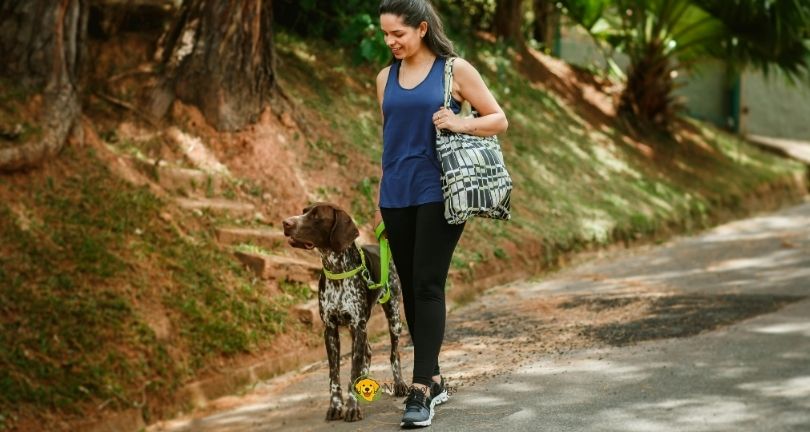
- Walk your dog on a leash for 20 to 30 minutes, allowing 10 full minutes of slow sniffing to encourage mental relaxation.
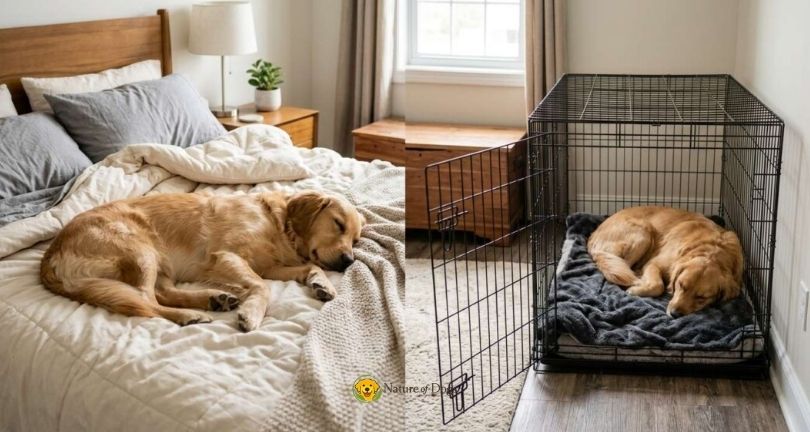
- Set up an independent rest block for 3 to 4 hours in a quiet room or crate with a fresh bowl of tap water.
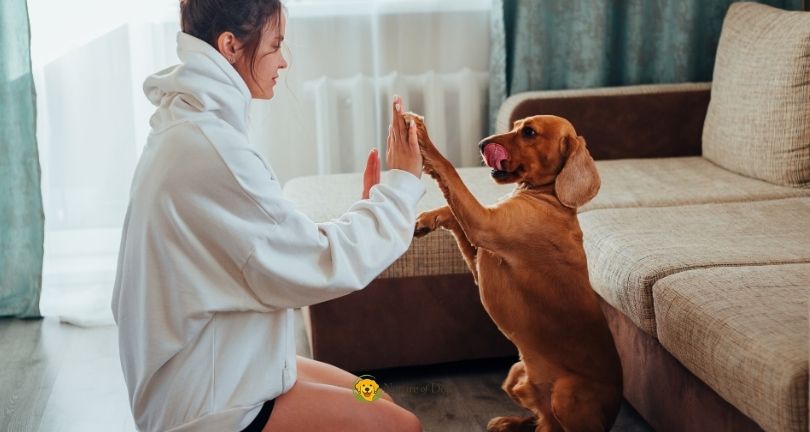
- Provide a midday 15-minute outdoor relief break paired with 5 minutes of basic cue practice like sit and stay using 4 or 5 small training treats.
- Feed their evening meal at your chosen dinner hour, then wait 30 minutes before any heavy running to protect their digestion.
- Finish with a 10-minute nighttime elimination walk right before bedtime, keeping interactions calm and low-energy.
Know when to enforce quiet downtime versus offering more exercise. Tired dogs often look restless; pushing them to play more causes overstimulation.
Key numbers and settings at a glance
Every dog needs slight schedule adjustments based on age, energy level, and physical health.
| Situation | What to use | How long | What to watch for |
|---|---|---|---|
| Puppy under 6 months | Crate and 6-foot leash | Bathroom trip every 2 to 3 hours | Whining and circling near doorways |
| Adult working breed | Long line and food puzzle | 60 to 90 minutes of daily exercise | Pacing or chewing rugs from boredom |
| Senior dog with arthritis | Padded bed and non-slip mats | Three 15-minute gentle sniff walks | Stiff joints when standing after naps |
| Dog home alone all day | Lick mat or frozen rubber toy | Maximum 4 hours crate time | Barking when you grab your door keys |
| High-anxiety rescue dog | White noise machine and darkened room | 14 to 16 total hours of rest daily | Panting, pacing, and hyper-vigilance |
What separates good results from bad ones
Predictable transitions over rigid clocks
Build your dog’s day around natural anchors. A predictable order works better than forcing exact meal times. A sequence-trained dog won’t panic if your commute changes.
Protecting passive rest blocks
Avoid entertaining your dog every time they stand up. Adult dogs need 12 to 14 hours of sleep daily; puppies need up to 18. Let your dog sleep without interruption. If your dog looks restless after an hour of play, give them a safe chew bone in their bed rather than throwing a ball again.
Common problems and quick fixes
When a routine breaks down, small environmental adjustments usually resolve the issue quickly.
| What you notice | What it usually means | What to do first |
|---|---|---|
| Accidents inside right after a walk | The dog was too distracted to empty their bladder | Wait outside in one boring spot for 5 extra minutes |
| Barking and pacing around 5:00 PM | Anticipation spike caused by irregular evening schedules | Move the pre-dinner walk 20 minutes earlier |
| Refusing to settle down after dark | Overtired state from missed afternoon naps | Place the dog in a quiet room with low lighting |
| Destructive chewing mid-morning | Sudden spike in stress after your departure | Hand them a durable rubber toy filled with wet food |
Animal welfare limits and guidelines
Local animal care laws and veterinary guidelines set hard limits on daily confinement and care standards. The American Veterinary Medical Association publishes clear housing welfare guidelines stating that dogs must have continuous access to clean drinking water and room to turn around, sit, stand, and lie down comfortably. If your dog spends time in a kennel, the crate length must equal the dog from nose to base of tail plus at least 4 to 6 inches.
Keeping your schedule steady long term
A comfortable routine holds up well until seasonal daylight changes, travel, or work shifts disrupt your household.
Shift key events in 15-minute increments over several days. For example, if you need to feed your dog an hour earlier for a new job, shift the bowl time by 15 minutes every two days.
When to use a different approach
This home-based routine isn’t for dogs with severe clinical separation distress or dogs recovering from major orthopedic surgery.
If your dog harms their mouth on crate bars or howls non-stop for hours, stop standard routine training immediately and consult a board-certified veterinary behaviorist. In addition, dogs recovering from procedures like knee repairs need strict medical rest protocols written directly by their surgeon, which completely overrides standard daily exercise schedules.
Frequently asked questions
Can I change my dog’s routine on the weekend?
No, major weekend schedule changes often cause behavioral problems on Monday morning. You can safely sleep in for about 45 minutes, but keep morning outdoor relief, feeding order, and evening downtime within an hour of your weekday schedule to prevent stress and indoor accidents.
Why does my dog get wild every evening?
Your dog is likely overtired from missing quiet afternoon rest, not under-exercised. When dogs don’t sleep enough during the day, their bodies produce stress hormones that trigger frantic running, nipping, and barking. Give them a frozen chew toy in a quiet room instead of initiating active games.
How long can an adult dog hold their bladder during the day?
Adult dogs can physically hold their bladder for 6 to 8 hours under normal conditions, but forcing them to wait longer increases the risk of urinary tract infections. This varies by age and health status; puppies and small breeds generally need breaks every 2 to 4 hours.
Is it safe to leave dry food out all day?
No, free-feeding makes reliable bathroom schedules almost impossible to maintain. Scheduled meals spaced 8 to 12 hours apart create predictable digestion cycles, allowing you to anticipate exactly when your dog needs to go outside. Pick up uneaten food after 15 minutes.
What happens if I miss a daily walk?
Your dog will manage fine for one day if you replace the walk with 15 minutes of slow mental games indoors. Scatter their normal dry meal across a snuffle mat or practice basic obedience cues in the living room to burn mental energy without going outside in bad weather.
Final Thoughts
Consistency isn’t about being perfect, but about showing your pet they’re safe and understood. You’ll soon notice your dog relaxing as they learn the rhythm of your home. Start by setting a simple alarm for tomorrow morning; it’s the best way to help your companion feel truly at ease with you.