Puppy Care Checklist: A Daily Plan for Your New Dog
Last Updated on October 4, 2026
A complete Puppy Care Checklist requires feeding three scheduled meals daily, offering bathroom breaks every two hours, and providing sixteen to twenty hours of quiet sleep. This daily plan works best for households welcoming a young puppy between eight and sixteen weeks old.
Essential puppy care supplies
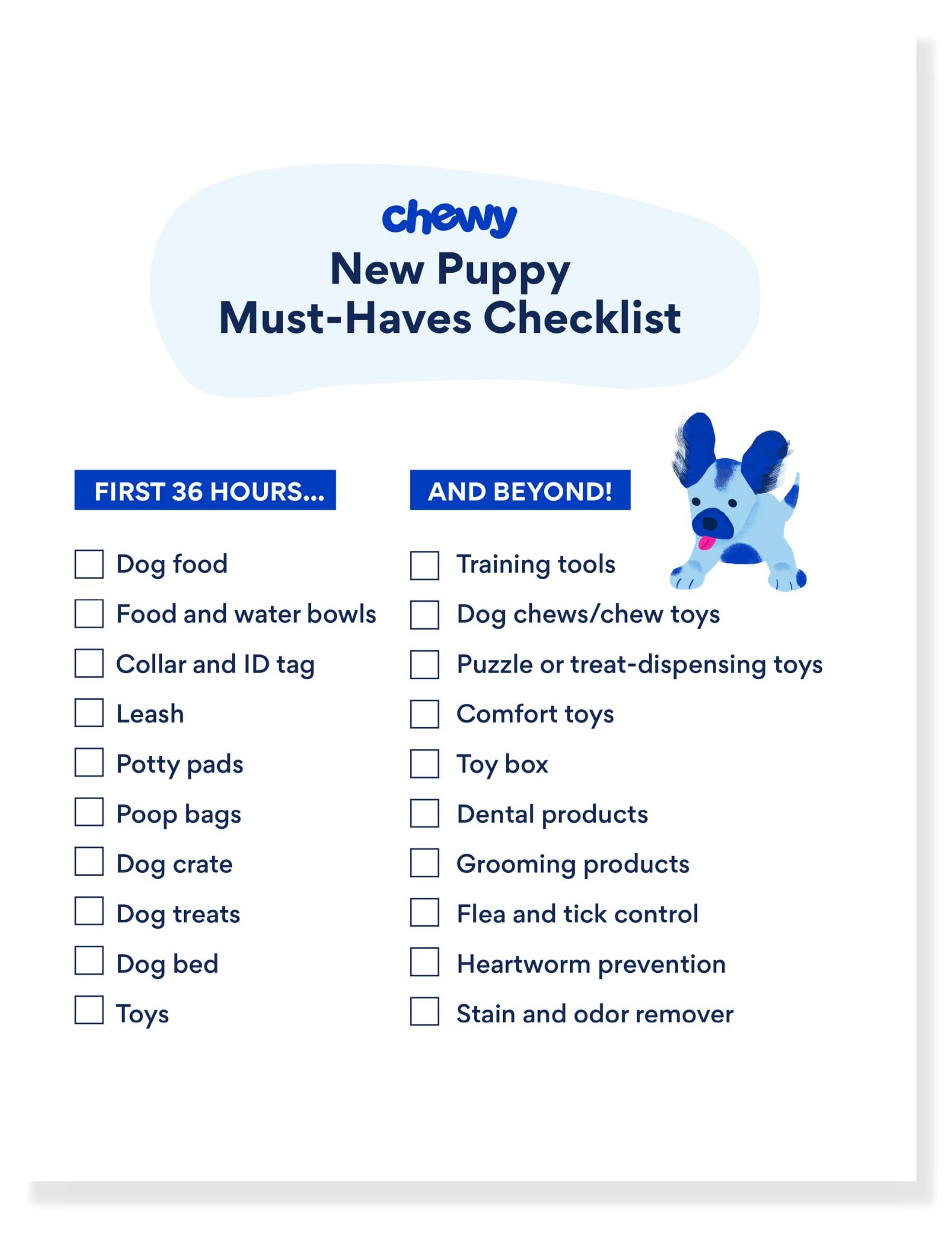
Have these core supplies ready before your dog arrives home: – Two stainless steel bowls, one quart size each; avoid plastic bowls because teeth marks trap harmful bacteria. – One wire crate sized for your puppy’s adult frame, complete with a movable divider panel. – A four-foot flat nylon leash and an adjustable buckle collar with an engraved identification tag. – Enzymatic stain cleaner; standard floor cleaners won’t eliminate urine scents that draw puppies back. – Puppy-formulated dry kibble that carries a complete nutrition statement from the Association of American Feed Control Officials. – Two durable rubber chew toys (KONG standard small or medium) to redirect natural biting.
You can safely substitute a plastic travel kennel for a wire crate during early weeks, but you can’t substitute a regular bath towel for a secure barrier gate.
Step-by-step
- Set up a secure quiet zone using the crate and divider, giving the dog just enough room to stand up and turn around completely.
- Serve three measured meals daily, dividing the exact daily portion printed on your food bag across morning, noon, and evening hours.
- Walk your puppy outside to a dedicated toilet spot on a four-foot leash immediately after each meal, nap, and play session. Tip: Wait quietly outside for five full minutes without playing; praise softly only after your dog finishes urinating.
- Clean indoor accidents immediately with one cup of enzymatic spray, letting the liquid soak the spot for ten minutes to lift odors completely.
- Provide three distinct forty-minute naps inside the closed crate across the day to prevent overtired, frantic biting behavior. Careful: If you leave young pups unattended with fabric bedding, they can chew and swallow threads, causing painful intestinal blockages.
- Brush your puppy’s coat for two minutes daily using a soft-bristle brush, handling all four paws to build trust for future nail trims.
- Offer a frozen rubber toy stuffed with two tablespoons of damp kibble whenever your puppy begins chewing table legs or hands. Careful: If you take an unvaccinated puppy onto public sidewalks before completing veterinary shots, you expose them to deadly viruses like parvovirus.
Daily routines by age
Puppy needs change rapidly as their bladders grow and their energy levels rise over the first six months.
Start with sixty-minute bathroom intervals and widen the window slowly to avoid indoor setbacks.
How to tell you did it right
A healthy puppy displays bright eyes, clean skin, firm stools, and takes regular resting breaks between short bursts of running. A struggling routine shows frequent indoor puddles, constant frantic yipping, red gums, or destructive biting at wall corners. House-training failures occur because a puppy’s bladder muscles lack physical maturity. You can prevent accidents by sticking to strict crate rest, taking regular outdoor trips every two hours, and logging every meal time on paper. This structure isn’t for owners who want a completely hands-off companion from day one. Choosing a rigid daily crate schedule brings a clear trade-off: you give up personal free time now to gain a calm, house-trained adult dog later.
Core veterinary requirements
Secure cleaning chemicals, electrical cables, and food supplies. Deworming medicine usually runs on a regular vet-approved calendar until twelve weeks of age.
Care support options
Working with a certified trainer
Professional group classes teach social manners if you lack time for early obedience lessons. You’ll spend additional household money each week, but you prevent leash pulling early.
Hiring a midday dog walker
A background-checked pet sitter provides necessary midday bathroom breaks if you work away from home over six hours. This adds weekly expenses, but it keeps house-training progress on track.
Setting up a structured puppy playpen
An exercise pen attached to a crate keeps curious dogs secure if your home lacks safe interior doors. This setup gives pups room to stretch without granting access to dangerous chewing hazards.
Frequently asked questions
Can a puppy stay home alone for eight hours?
No, an eight-week-old puppy can’t hold its bladder longer than two hours. Leaving a young dog alone for eight straight hours causes bladder distress, messes, and strong separation panic. If you work full-time, hire a midday dog walker or set up an indoor playpen with pads.
Why is my puppy biting my hands constantly?
Puppies explore environments with their mouths and suffer sore gums while growing adult teeth. When teeth touch your bare skin, freeze, make a low sound, and trade your hand for a rubber chew toy. Never strike a biting pup, as physical punishment increases fear and defensive aggression.
How long does house-training take for a new puppy?
Most puppies take four to six months of regular management to achieve dependable indoor cleanliness. Some toy breeds require up to eight months due to smaller bladder capacities. Complete reliability happens only when you monitor water access, watch outdoor trips, and avoid skipping routine bathroom schedules.
Is it safe to bathe a puppy every week?
No, bathing a puppy too frequently strips essential protective oils from their skin and causes severe itching. Give your dog a full bath regularly using warm water and mild puppy shampoo. If paws get dirty outside, wipe them down with a damp washcloth instead.
What happens if my puppy eats chocolate?
Chocolate contains theobromine, a toxic chemical compound that canine digestive systems can’t process safely. Ingesting dark chocolate causes rapid heart rates, severe vomiting, seizures, or fatal internal poisoning. If your puppy swallows any chocolate, call your emergency veterinary clinic or an animal poison hotline immediately.
Final Thoughts
Building a strong bond takes time, but your patience will pay off as your new friend grows. Don’t worry if things feel a bit messy at first; you’re doing a great job. Reach out to your local vet this week to schedule a wellness visit and keep your pup healthy.