Why Does My Dog Sit on My Feet? 9 Common Reasons Explained
Last Updated on October 4, 2026
If your dog often sits on your feet, leans against your legs, or plants themselves directly on top of your toes, you may wonder what this behavior means. Is your dog being affectionate? Protective? Needy? Or are they trying to tell you something?
In most cases, a dog sitting on your feet is a normal and harmless behavior. Dogs are social animals, and they often use physical closeness to communicate comfort, trust, affection, and security. To your dog, sitting on your feet may simply mean, “I want to be close to you.”
However, this behavior can sometimes be linked to anxiety, insecurity, possessiveness, or attention-seeking, especially if your dog becomes stressed when you move away or reacts badly when others approach.
In this article, we’ll explain the most common reasons dogs sit on their owner’s feet, when it may be a problem, and what you can do if you want to change the behavior.
Why Does My Dog Sit on My Feet?
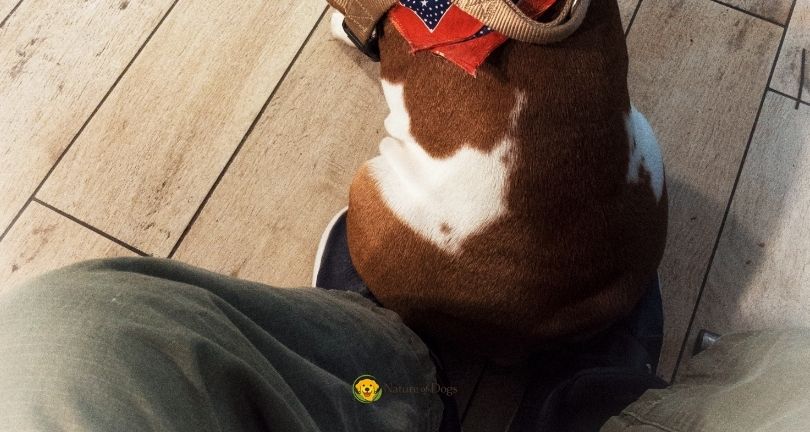
Your dog may sit on your feet because they feel bonded to you, want comfort, seek attention, feel protective, or simply enjoy being close. Dogs often communicate through body contact, and sitting on your feet is one way they stay physically connected to you.
Unlike humans, dogs do not always need personal space in the same way. Many dogs feel safer and calmer when they are touching someone they trust. Your feet are also easy for your dog to reach, especially when you are standing, sitting at a table, cooking, or relaxing on the couch.
This behavior is especially common in affectionate dogs, anxious dogs, protective breeds, and dogs that like to stay near their favorite person.
Read More – Why Does My Dog Follow Me to the Bathroom? 10 Reasons
Common Reasons Your Dog Sits on Your Feet
There are several possible reasons your dog chooses your feet as their favorite resting spot. Some reasons are sweet and harmless, while others may need a little training or attention.
1. Your Dog Is Showing Affection

One of the most common reasons dogs sit on their owner’s feet is simple affection. Your dog loves you and wants to be close.
Dogs often show love through physical contact. They may lean on you, lie beside you, rest their head on your lap, or sit on your feet. To your dog, being near you feels safe and pleasant.
Signs your dog is sitting on your feet out of affection include:
- Relaxed body language
- Soft eyes
- Gentle tail wagging
- Calm breathing
- Leaning into you comfortably
- Resting or falling asleep near you
If your dog seems relaxed and happy, there is usually nothing to worry about. They may just be enjoying your company.
2. Your Dog Feels Safe With You
Dogs often stay close to people who make them feel secure. If your dog sits on your feet, they may be using your presence as a source of comfort.
This is common in dogs that are:
- Recently adopted
- Naturally shy
- Nervous in new places
- Sensitive to loud noises
- Recovering from a stressful event
- Unsure around strangers or other animals
When your dog sits on your feet, they know exactly where you are. Your body becomes a safe anchor for them. This can help them feel calmer in uncertain situations.
For example, your dog may sit on your feet at the vet, around guests, during fireworks, or in a busy public place.
3. Your Dog Wants Attention
Sometimes dogs sit on your feet because they have learned it gets a reaction. You might look down, talk to them, pet them, laugh, or move your legs. Even a small response can reward the behavior.
Your dog may sit on your feet when they want:
- Petting
- Playtime
- Food
- A walk
- Eye contact
- Verbal attention
- Comfort
Dogs repeat behaviors that work. If sitting on your feet gets your attention, your dog may keep doing it.
This does not mean your dog is being “bad.” They may simply be communicating in a way that has been successful before.
4. Your Dog Is Being Protective

Some dogs sit on their owner’s feet because they feel protective. By staying close, they can monitor the environment and react quickly if they think something is wrong.
Protective behavior may be more likely if your dog sits on your feet when:
- Guests visit your home
- A stranger approaches
- Another dog comes near
- You are in a public place
- Someone knocks on the door
- There is unfamiliar noise or activity
A protective dog may position themselves between you and another person or animal. They may also stare, bark, growl, or become stiff.
Mild protectiveness can be normal, but it becomes a problem if your dog guards you aggressively or prevents others from approaching you.
5. Your Dog Is Anxious
Anxiety is another common reason dogs sit on their owner’s feet. When dogs feel worried, they may seek physical contact with someone they trust.
Your dog may sit on your feet because they are anxious about:
- Being left alone
- Loud sounds
- Visitors
- Other pets
- New environments
- Changes in routine
- Separation from you
Signs of anxiety may include:
- Pacing
- Panting
- Trembling
- Whining
- Clinginess
- Excessive licking
- Restlessness
- Refusing to leave your side
If your dog only sits on your feet occasionally, it may not be a concern. But if they seem unable to relax without touching you, anxiety may be involved.
6. Your Dog Is Claiming You
Some people believe dogs sit on feet to show dominance. In most cases, that is not the best explanation. Dogs are usually not trying to “dominate” their owners by sitting on their feet.
However, some dogs may use this behavior in a possessive way. They may sit on your feet because they want to stay close and control access to you.
Possessive behavior may include:
- Growling when someone approaches
- Blocking other pets from coming near you
- Pushing between you and another person
- Snapping at people or animals
- Becoming tense when touched
- Guarding your lap, chair, or bed
If your dog sits on your feet calmly, it is probably affection or comfort. But if they guard you while doing it, the behavior should be addressed with training.
7. Your Dog Is Cold or Wants Warmth
Sometimes the reason is practical: your feet are warm.
Dogs enjoy warmth and comfort, especially small breeds, short-haired dogs, puppies, senior dogs, or dogs that get cold easily. Sitting on your feet may help them stay cozy.
This may be more likely if your dog sits on your feet:
- During colder weather
- On hard or cold floors
- In air-conditioned rooms
- After coming inside from the cold
- When they are tired and looking for comfort
If warmth is the reason, giving your dog a soft bed or blanket nearby may encourage them to settle there instead.
8. Your Dog Wants to Know When You Move
Dogs are very aware of routines. If your dog sits on your feet, they can instantly tell when you are about to stand up or leave.
This may happen if your dog expects something exciting when you move, such as:
- A walk
- Dinner
- Playtime
- A car ride
- Going outside
- Bedtime
- Treats
By sitting on your feet, your dog makes sure they do not miss anything. The moment you shift your weight, they know you are about to move.
This behavior is common in dogs that like to follow their owners around the house.
9. Your Dog Simply Finds It Comfortable
Sometimes dogs sit on feet because it feels good. Your feet may be in the perfect location, especially if your dog wants to be close but not fully on your lap.
Dogs often choose resting spots based on comfort, scent, warmth, and habit. Since your feet carry your scent strongly, they may be especially comforting to your dog.
If your dog has done this many times and enjoyed it, sitting on your feet may simply become part of their normal routine.
Is It Normal for Dogs to Sit on Your Feet?
Yes, it is usually normal for dogs to sit on their owner’s feet. Most of the time, it is a sign of affection, trust, comfort, or companionship.
It is generally not a problem if your dog:
- Seems relaxed
- Moves away when asked
- Does not growl or guard you
- Can settle alone at other times
- Does not panic when separated
- Is not showing signs of stress
Many dogs enjoy physical closeness. Sitting on your feet is just one way they express that bond.
When Should You Be Concerned?
You should pay closer attention if your dog’s foot-sitting comes with anxiety, aggression, or possessive behavior.
Be concerned if your dog:
- Growls when people come near you
- Snaps at other pets
- Blocks others from approaching
- Whines or panics when you move away
- Cannot relax unless touching you
- Follows you constantly with distress
- Shows sudden clinginess
- Becomes stiff or tense while sitting on you
A sudden change in behavior can also be important. If your dog never used to sit on your feet but suddenly starts doing it often, consider whether something has changed in their environment, routine, health, or emotional state.
If the behavior seems extreme, a veterinarian or certified dog trainer can help.
Does Sitting on Your Feet Mean Your Dog Is Dominant?
In most cases, no. A dog sitting on your feet usually does not mean they are trying to dominate you.
Modern dog behavior experts generally recognize that many behaviors once labeled as “dominance” are actually caused by affection, insecurity, learned habits, anxiety, or resource guarding.
Your dog is more likely sitting on your feet because they:
- Want closeness
- Feel safe with you
- Want attention
- Are anxious
- Are protecting you
- Like your warmth
- Have learned the behavior works
If your dog is relaxed and friendly, there is no reason to assume dominance. But if your dog guards you or reacts aggressively, the issue is more likely possessiveness or resource guarding, not simple dominance.
Should You Let Your Dog Sit on Your Feet?
Yes, you can let your dog sit on your feet if you enjoy it and the behavior is calm. For many owners, it is a sweet sign of companionship.
However, you may want to discourage it if:
- It bothers you
- Your dog is very large or heavy
- Your dog trips you
- Your dog guards you from others
- Your dog becomes too clingy
- Your dog does it out of anxiety
- You want to teach better boundaries
The key is to decide what works for your household. If the behavior is harmless, there is no need to stop it. If it creates problems, gentle training can help.
How to Stop Your Dog From Sitting on Your Feet
If you want your dog to stop sitting on your feet, avoid punishment. Instead, teach them what to do instead.
Teach a “Place” Command
Train your dog to go to a bed, mat, or blanket when you ask.
Start by rewarding your dog for standing or lying on their place. Then slowly increase the time they stay there. This gives your dog a clear alternative behavior.
You can say:
- “Place”
- “Bed”
- “Mat”
- “Go settle”
Reward them with treats, praise, or a chew toy when they stay calmly.
Reward Independent Behavior
If your dog often sits on your feet for attention, reward them when they relax nearby without touching you.
For example, praise or treat your dog when they:
- Lie on their bed
- Sit beside you instead of on you
- Play with a toy independently
- Stay calm when you move away
This teaches your dog that they can still get positive attention without sitting directly on your feet.
Give Them a Comfortable Alternative
If your dog wants warmth or comfort, provide a cozy resting spot close to you.
Try offering:
- A soft dog bed
- A blanket
- A heated pet-safe mat
- A crate with bedding
- A chew toy on their bed
Place it near your desk, couch, or kitchen so your dog can still be close without sitting on you.
Do Not Reward Pushy Behavior
If your dog sits on your feet and demands attention, wait until they move away or calm down before petting them.
Avoid rewarding pushy behavior such as:
- Pawing
- Barking
- Nudging
- Climbing on you
- Blocking your movement
Instead, reward calm behavior. This helps your dog learn polite ways to ask for attention.
Address Anxiety If Needed
If your dog sits on your feet because they are anxious, training alone may not be enough. You need to help them feel safer and more confident.
Helpful steps include:
- Keeping a predictable routine
- Providing daily exercise
- Using puzzle toys
- Practicing short separations
- Creating a safe resting area
- Avoiding punishment
- Consulting a professional if anxiety is severe
An anxious dog needs patience and gradual confidence-building.
Read More – How Long Does It Take to Leash Train a Puppy?
Why Does My Dog Sit on My Feet When I’m Standing?
Your dog may sit on your feet while you are standing because they want to stay close, get your attention, or prevent missing your next move. They may also feel safer when touching you.
This can happen while you are cooking, talking to someone, brushing your teeth, or standing near the door. Your dog may be waiting to see what you do next.
Be careful if your dog does this often, especially if they are large. They could accidentally trip you.
Why Does My Dog Sit on My Feet When Guests Are Around?
If your dog sits on your feet when guests visit, they may feel nervous, protective, or unsure. Your presence helps them feel safe.
Watch your dog’s body language. If they are relaxed, they may simply want comfort. If they are stiff, staring, barking, or growling, they may be uncomfortable or guarding you.
Give your dog a safe place to go during visits, such as a bed, crate, or quiet room. Reward calm behavior around guests.
Why Does My Dog Sit on My Feet and Lean on Me?
Sitting on your feet and leaning against you usually means your dog wants closeness, comfort, or reassurance. Leaning is a common way dogs seek contact with people they trust.
If your dog leans softly and appears relaxed, it is usually affectionate. If they lean heavily while trembling, panting, or whining, they may be anxious or afraid.
Read More – How to Stop a Dog From Barking at the Door
FAQs About Dogs Sitting on Feet
Why does my dog always sit on my feet?
Your dog may sit on your feet because they love being close to you, feel safe with you, want attention, or enjoy your warmth. If they are calm while doing it, the behavior is usually normal.
Is my dog sitting on my feet to protect me?
Possibly. Some dogs sit on their owner’s feet to stay close and watch the environment. If your dog becomes stiff, alert, or reactive when others approach, protectiveness may be part of the reason.
Does my dog sit on my feet because they are anxious?
Anxiety can be a reason, especially if your dog seems nervous, clingy, or unable to relax away from you. Look for signs like panting, pacing, whining, trembling, or distress when separated.
Is it bad to let my dog sit on my feet?
No, not if your dog is calm and you do not mind it. It only becomes a problem if your dog is possessive, anxious, aggressive, too heavy, or causing you to trip.
Why does my dog sit on my feet instead of next to me?
Your feet may be the easiest place for your dog to stay close. They may also like your scent, warmth, or the ability to notice immediately when you move.
How do I stop my dog from sitting on my feet?
Teach your dog a “place” command, reward them for resting nearby, and provide a comfortable bed or blanket. Avoid punishment and focus on giving them a better alternative.
Conclusion
Your dog sits on your feet for many possible reasons, including affection, comfort, attention, protection, anxiety, warmth, or habit. In most cases, it is a normal behavior that shows your dog wants to be close to you.
If your dog is relaxed and friendly, sitting on your feet is usually nothing to worry about. It may simply be one of the ways they express love and trust.
However, if your dog becomes anxious, possessive, aggressive, or overly dependent, it is worth addressing the behavior with gentle training and confidence-building. Teaching your dog to settle on a bed, rewarding independence, and giving them a comfortable alternative can help create healthier boundaries.
At the end of the day, your dog sitting on your feet often means one simple thing: you are their safe place.