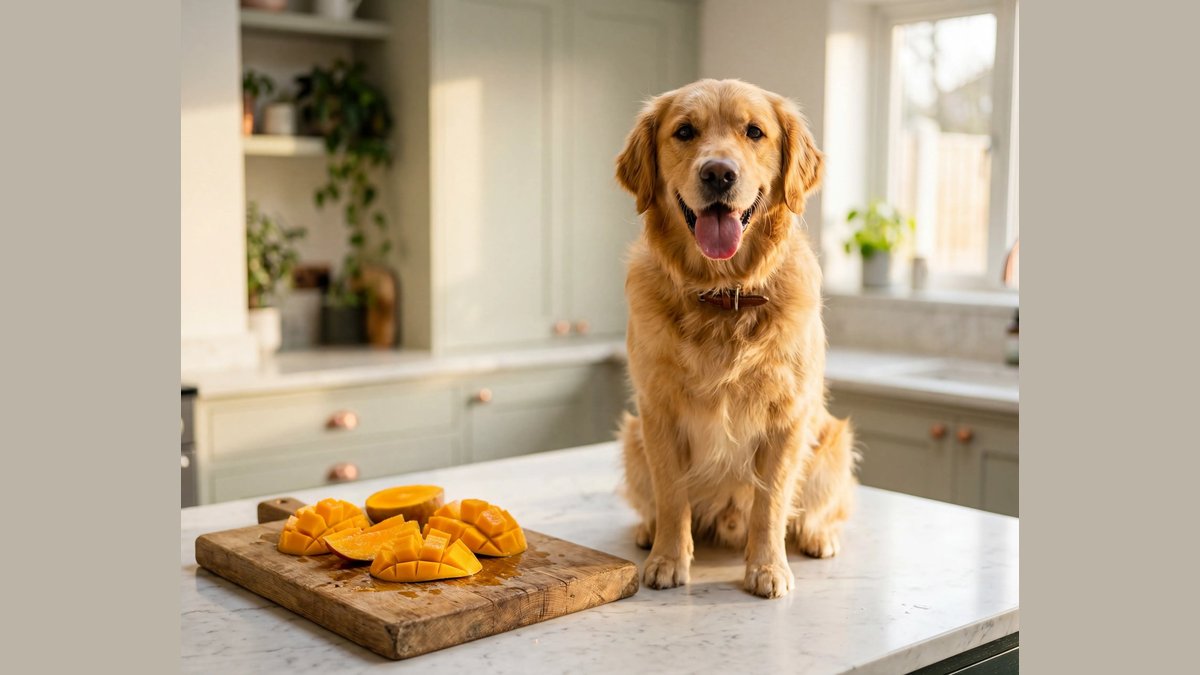
Foods Dogs Should Never Eat in the Kitchen
Identifying foods dogs should never eat in the kitchen keeps your pet safe from severe poisoning caused by common ingredients like onions, chocolate, grapes, and the artificial sweetener xylitol.
Kitchen Foods That Dogs Must Never Eat
Several standard cooking items carry biological compounds that a canine body simply can’t break down. When dogs swallow these ingredients, the toxic effects range from sudden liver failure to life-threatening heart rhythm disruptions.
- Onions, garlic, leeks, and chives: All plants in the Allium family contain sulfur compounds that damage a dog’s red blood cells, causing them to rupture. This leads to hemolytic anemia, which leaves tissues starved of oxygen.
- Grapes and raisins: Even tiny amounts can trigger acute kidney failure in dogs. The exact threshold varies wildly by individual animal, making any bite unsafe.
- Xylitol (birch bark extract or wood sugar): This sugar substitute causes an enormous release of insulin in dogs, leading to a sudden drop in blood glucose levels that triggers seizures and liver failure.
- Chocolate and caffeine: Cocoa beans contain theobromine and caffeine, both of which stimulate the nervous system and heart muscle far beyond safe limits.
- Yeast bread dough: Unbaked dough expands in the warm moisture of the stomach, bloating the organ and releasing toxic ethanol directly into the bloodstream as the yeast ferments.
- Macadamia nuts: These nuts cause muscle weakness, tremors, joint swelling, and overheating within twelve hours of feeding.
Tip: Keep pantry doors latched and trash cans covered with locking lids, because hungry dogs can easily pull down bags of baking supplies.
Which Foods Cause the Most Dangerous Reactions?
The most dangerous foods are those that cause irreversible organ damage or death at very low quantities, particularly baker’s chocolate, dried grapes, and sugar-free pantry staples. In contrast, fatty foods might cause painful digestive swelling, but concentrated toxins destroy vital organ tissue within hours.
Baking chocolate contains roughly ten times more toxic alkaloids than milk chocolate, meaning a tiny corner of an unsweetened baking bar presents a massive hazard to a medium-sized dog.
| Common Food | Primary Toxic Element | Typical Warning Signs | Primary Organ Affected |
|---|---|---|---|
| Dark & Baking Chocolate | Theobromine | Rapid panting, racing pulse, muscle twitches | Heart and brain |
| Garlic & Onions | N-propyl disulfide | Pale gums, brown urine, extreme fatigue | Red blood cells |
| Raisins & Grapes | Tartaric acid | Repeated vomiting, lethargy, zero urination | Kidneys |
| Sugar-Free Peanut Butter | Xylitol | Stumbling, sudden collapse, body tremors | Liver |
| Raw Bread Dough | Ethanol & raw yeast | Swollen abdomen, retching, drunkenness | Stomach and nervous system |
| Macadamia Nuts | Unknown toxin | Back leg stiffness, high body heat, shaking | Nervous system |
Is It Safe to Give Dogs Any Cooked Scraps?
Cooked scraps are only safe when they consist of plain, unseasoned meat or simple boiled vegetables, but most cooked meals contain hidden seasonings that pose quiet hazards. Pan sauces, gravy bases, and marinades rely heavily on concentrated onion powder and garlic salt.
If you want to feed your pet from the kitchen, you give up the convenience of sharing your actual prepared dinner.
Kitchen Mistakes That Cause Accidental Ingestion
Most dogs eat dangerous foods through human oversight rather than deliberate feeding. Leaving groceries or leftovers within reach creates easy opportunities for curious pets.
Why do counter-surfing pets get sick so quickly?
Dogs grab concentrated baking items when they jump onto counters, often swallowing an entire bag of cocoa powder or a tin of sweetener before anyone notices.
What happens when someone drops food while cutting?
Chopping onions, chives, or grapes on a cutting board often sends round pieces rolling off the counter directly onto the kitchen floor.
Why does cooling food on the stove present a risk?
Pots left with lids slightly ajar allow curious pets to knock cookware down, spilling scalding liquids and toxic ingredients across the floor.
What to Do If Your Dog Swallows Toxic Food
When an accident happens, immediate action prevents toxins from absorbing into your dog’s bloodstream. Follow these practical steps right away:
- Remove all remaining food from your dog’s mouth and clear the surrounding floor so no other pets ingest the scraps.
- Collect the packaging or measure what is missing, noting down the exact brand, ingredient list, and the estimated ounces consumed.
- Check your dog’s current weight using recent veterinary records, as medical staff base all treatment plans on body mass.
- Call an animal poison control center or your local emergency clinic immediately to speak directly with a triage clinician.
- Transport your pet to the clinic right away if instructed, bringing the chewed wrapper or ingredient container with you for testing.
Tip: Don’t attempt to induce vomiting with household hydrogen peroxide unless a licensed veterinarian explicitly directs you to do so over the phone, as caustic liquids can burn the esophagus.
Related guides
Frequently Asked Questions
Can one grape actually kill a large dog?
Yes, a single grape can cause acute kidney failure in large dogs because canine sensitivity to tartaric acid is completely unpredictable. Some dogs survive eating several, while others suffer complete renal shutdown from just one. Don’t wait for symptoms to show before calling an emergency veterinary hospital.
How much chocolate causes a medical emergency?
An ounce of milk chocolate per pound of body weight causes illness, but just one ounce of dark chocolate can poison a twenty-pound dog. Baking cocoa is even more potent. If your dog eats concentrated dark cocoa, seek immediate emergency clinic care before heart symptoms begin.
Is cooked garlic safer for pets than raw garlic?
No, cooking doesn’t destroy the toxic sulfur compounds in garlic or onions. Concentrated powders used in dry rubs are roughly five times stronger than fresh cloves. Never feed foods seasoned with garlic powder, onion flakes, or commercial stocks to your pets under any circumstances.
Can dogs eat regular peanut butter safely?
Yes, regular peanut butter containing only roasted peanuts and salt is safe for dogs in modest portions. However, you must read the ingredient panel carefully to ensure it doesn’t contain xylitol or birch bark extract. Avoid any jar labeled as sugar-free, low-calorie, or keto-friendly.
Set up a safety barrier like a sturdy baby gate to keep your pets completely outside cooking spaces during busy meal preparation hours. Teaching dogs to wait outside the kitchen door keeps them away from falling food scraps, hot grease, and toxic ingredients while dinner is on the stove.