8 Dog Care Essentials Every First-Time Owner Needs for Success
Last Updated on October 4, 2026
Setting up your home for a new pet takes about two hours, costs a moderate amount for basic gear, and falls into the easy difficulty level. Have a secure crate or gated pen ready before the dog arrives.
What you need

| Item | How much | Why it’s needed | A substitute |
|---|---|---|---|
| Stainless steel bowls | 2 dishes (food, water) | Holds meals cleanly without bacteria buildup | Ceramic dishes |
| Fixed 6-foot leash | 1 standard lead | Keeps pet secure during outdoor walks | None — don’t swap this |
| Flat buckle collar | 1 fitted collar | Holds identification tags and registration | Front-clip harness |
| Wire dog crate | 1 sized for adult | Gives a secure rest and house-training space | Gated small utility room |
| Enzyme cleaner spray | 1 standard spray bottle | Destroys urine scent so repeat marking stops | None — don’t swap this |
| Adult or puppy kibble | 1 manufacturer bag | Supplies daily balanced meals and energy | Same brand wet food |
| Poop waste bags | 1 pack | Keeps public walking paths clean and sanitary | None — don’t swap this |
Before you start
- Pick up electrical cords, shoes, and children’s toys off the floor across every room.
- Move indoor toxic plants to high shelves where your pet can’t reach them.
- Close and latch all low cabinets containing household cleaning chemicals or food.
- Store trash bins behind closed doors or inside latched pantry spaces.
- Skipping the removal of loose floor rugs causes most house-training troubles, as pets mistake soft rugs for grass.
- If a dog shows severe aggressive lunging or intense bite fear right away, stop handling attempts and hire a certified animal behaviorist immediately.
Step by step
- Adjust the flat collar around the neck until you can fit exactly two fingers underneath the band. Check the band’s tightness to make sure it doesn’t slip over the dog’s ears.
- Fasten the dog’s legal county license tag and contact number securely to the collar’s metal ring. Pull the tag firmly downward once to ensure the split ring stays completely shut.
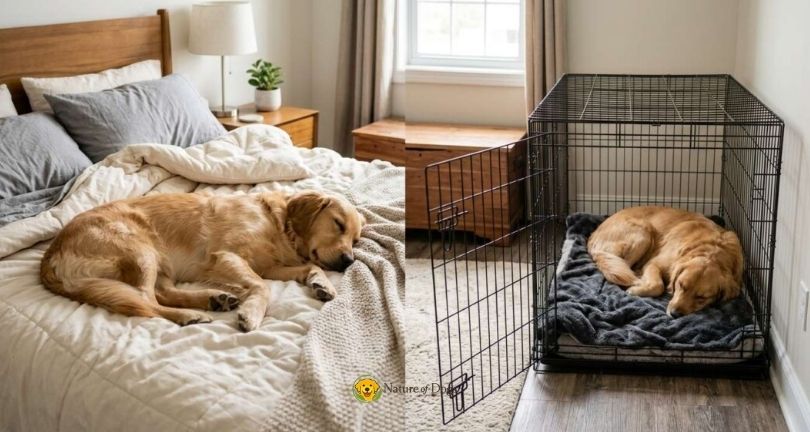
- Position the crate in a quiet room away from loud hallway foot traffic. Verify the latches open and close smoothly before introducing the dog to the space.
- Place two stainless steel bowls in an easy-to-clean corner away from the crate entrance. Keep the water bowl filled to two-thirds capacity with cool tap water all day.
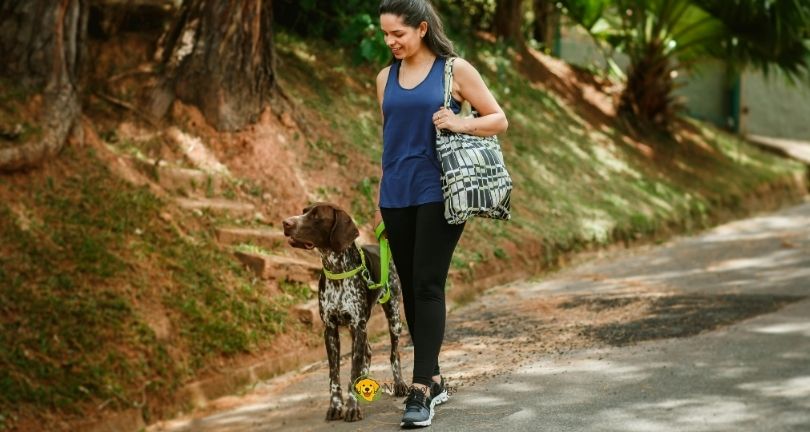
- Clip the 6-foot nylon leash to the collar’s metal ring before you open any exterior doors. Ensure the clasp snaps shut completely around the loop before taking a step.
- Check your food bag label for the exact measuring cup portions matching your dog’s current weight. The CDC guidance on healthy pets explains that safe handling and measured portions prevent nutritional illness and household bacterial spread.
- Walk your dog outside to one dedicated bathroom spot for 10 minutes after every meal. Wait until the dog eliminates on the grass before returning inside the home.
- Pick up the waste immediately with one clean poop bag pulled over your hand. Tie the plastic opening shut tightly and throw it into an outdoor waste bin.
- Spray accidents indoors with an enzyme cleaner and let it sit wet for 10 minutes. Wipe it dry with a paper towel to confirm no lingering moisture remains.
How to know it worked
Your setup succeeded when the dog voluntarily walks into the crate to sleep within the first two days. You should hear quiet breathing rather than scratching. The dog drinks without tipping the dish, and the collar stays centered. A full day without wet floor patches outside the enzyme-cleaned spot confirms your outdoor timing works. If the animal hides behind couches or whines at closed doors for over 30 minutes, your quiet zone needs adjustment. Move the bed away from loud items and give the dog another day to settle.
If something goes wrong
| What happened | Why | What to do |
|---|---|---|
| Dog scratches at crate | Animal feels trapped inside | Leave wire door open with dry kibble tossed inside |
| Skin shows neck irritation | Collar fits too tightly | Loosen the strap by one notch or finger width |
| Pet chews through leash | Dog plays with nylon | Spray lead with bitter apple deterrent and redirect |
| Dog urinates on carpet | Previous scent remains | Soak spot with enzyme cleaner for 15 full minutes |
| Dog skips regular meal | Stress from new environment | Add warm water to kibble and wait two hours |
How often to do this
Wash food and water bowls daily with warm soap. Wash crate bedding regularly with unscented detergent. Replace worn leashes if fibers show fraying. You must also weigh your dog regularly, because size increases require larger collars and adjusted food amounts; check the food packaging for feeding guidelines based on weight.
Frequently asked questions
Can a dog sleep in a crate all night?
Yes, healthy dogs older than four months can sleep inside a crate for six to eight hours overnight. Young puppies need a bathroom break every three hours during the night because their bladders can’t hold urine for long periods.
Why is an enzyme cleaner necessary for pet messes?
Standard household soaps leave scent proteins behind that dogs can still smell clearly. Enzyme cleaners break down the uric acid crystals completely, which stops the animal from returning to the same indoor floor spot to urinate again.
How long does a standard walking leash last?
About two years under normal daily neighborhood use. If your dog pulls heavily, chews on the material, or walks in rough weather, inspect the metal clip weekly and replace the leash at the first sign of frayed stitches.
Is it safe to leave a collar on all the time?
Yes, keeping a flat collar on ensures your dog always wears identification tags if an open door escape happens. Just check the tightness weekly, especially on growing puppies, so the material doesn’t cut into the neck.
What happens if you skip cleaning dog dishes?
A sticky bacterial film called biofilm builds up across the bottom of the dish within 24 hours. This layer breeds harmful germs that can cause mouth infections and stomach sickness in dogs and people handling the bowls.
Does a first-time owner need grooming clippers right away?
No, electric clippers require grooming training to avoid cutting a dog’s skin. First-time owners should use a simple bristle brush at home and leave heavy trimming or sanitary clipping to a licensed professional pet groomer.
Final Thoughts
Bringing a new companion home is a big transition, but you’ll find your rhythm together soon enough. Don’t worry if things feel a bit chaotic at first; it’s all part of the process. Spend this weekend researching local parks or finding a friendly trainer, as you’ll both benefit from exploring the neighborhood together.