
Can Dogs Eat Bananas: Safe Serving Sizes and Health Risks
Last Updated on October 4, 2026
Yes, dogs can eat bananas in small amounts as an occasional treat. The one condition that flips this answer is diabetes or kidney disease, which makes the high sugar and potassium unsafe. Put away the whole fruit right now and prepare only two or three thin slices for a medium pet. You can give your dog a healthy reward without risking an upset stomach by understanding the safety of bananas.
When dogs can safely eat bananas
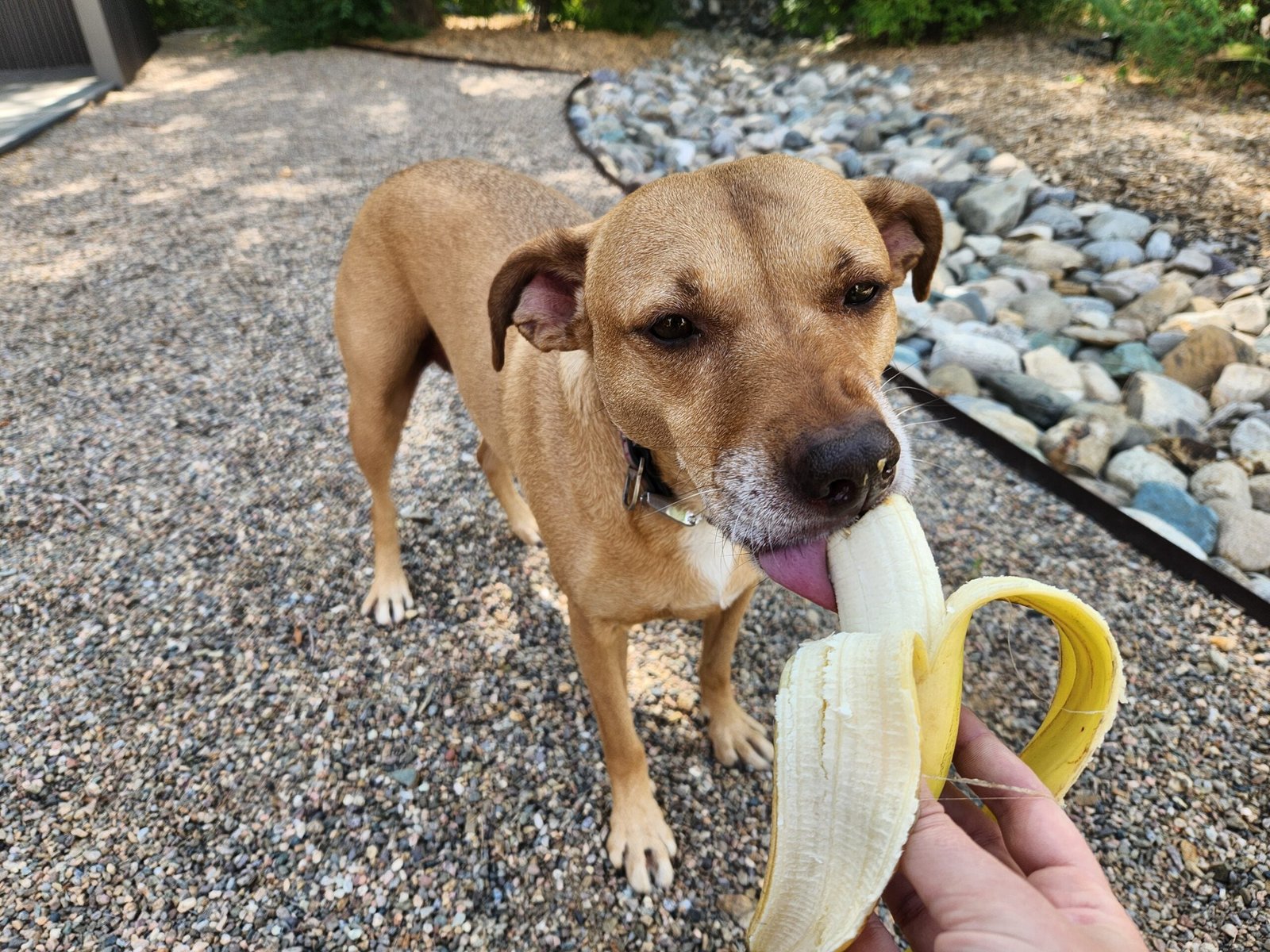
Feed bananas based on your pet’s size, overall health, and the exact preparation you use.
| Your situation | Answer | Why |
|---|---|---|
| Medium or large healthy adult dog | Yes | Sugar stays safe in tiny portions |
| Small dog under fifteen pounds | Yes | Needs very thin slices to prevent diarrhea |
| Dog diagnosed with diabetes | No | Natural fruit sugars cause blood glucose spikes |
| Dog with chronic kidney disease | No | Failing kidneys can’t filter extra potassium out |
| Dog eating yellow banana peel | No | Dense fiber causes dangerous intestinal blockages |
| Commercial banana chips with added sugar | No | Excess oil and sweetener upset canine digestion |
| Puppies over twelve weeks old | Yes | Safe treat during standard basic obedience training |
Sugar and digestion limits
Fruit sugar and dietary fiber decide how much banana your pet can handle. Bananas contain natural fructose, glucose, and soluble fiber, which dog bodies digest much slower than humans do. A standard medium banana carries around fourteen grams of sugar and three grams of fiber. While vitamins support health, the canine digestive tract is built mostly for animal protein and simple fats, not heavy loads of raw plant sugars.
When a dog eats too much fruit sugar, the small intestine can’t absorb it all. The leftover sugar pulls water into the colon, causing soft stool or severe diarrhea within twelve hours. Bananas also contain high potassium levels. Healthy kidneys flush this mineral easily, but weak kidneys let it build up in the bloodstream. Feeding fruit brings a clear trade-off: you provide vitamin B6 and vitamin C, but you risk digestive trouble and extra calories that cause weight gain. This fruit is NOT for dogs on strict prescription diets, pets managing pancreatitis, or animals needing tight calorie restrictions. The exact portion limit varies by individual body weight, so check your dog’s daily calorie target before offering treats. If your dog is lean and active, feed two plain slices; if your dog is overweight or sedentary, feed none.
Safe preparation steps
Serving fresh fruit requires basic prep work to keep your dog’s gut safe.
- Peel the entire fruit to remove the tough outer skin. You’ll see clean yellow fruit flesh with zero fibrous outer strings attached.
- Cut into half-inch rounds using an ordinary kitchen butter knife. The slice should sit easily flat on your palm without presenting any choking risk.
- Count the correct portion based directly on your pet’s weight. Give small breeds one slice, medium breeds two slices, and large breeds three slices maximum.
- Feed the plain piece directly by hand or drop it into the main feeding bowl. Your pet will chew and swallow the soft piece within a few seconds.
- Monitor bathroom habits over the next twenty-four hours. Firm, regular stool shows your pet’s digestive tract handled the fruit sugars without trouble.
The peel mistake
People assume the skin carries harmless roughage, but canine stomachs can’t break down thick, fibrous banana peels. Fixing a total bowel blockage requires emergency veterinary surgery, costing owners thousands of dollars and putting the dog through serious trauma.
The ASPCA animal poison control guidelines warn that non-toxic human foods can still cause severe gastrointestinal upset or mechanical foreign body risks. The easy check that avoids this disaster is throwing peels directly into a secure, latched trash can. Never let your pet grab an unpeeled banana from the kitchen counter or an open compost bin.
When to stop and get help
- Persistent vomiting occurs within four hours, showing a possible mechanical blockage in the upper digestive tract.
- Watery diarrhea lasts past twenty-four hours, which quickly causes life-threatening dehydration in smaller dogs.
- The abdomen looks hard or bloated, meaning your dog is experiencing severe gas pain or an internal obstruction.
Don’t attempt home remedies if your dog shows severe pain or continuous vomiting. Take your pet immediately to a licensed veterinarian or an emergency animal hospital for professional care.
Can dogs eat bananas every day?
No, dogs shouldn’t eat bananas daily because the high sugar content leads to rapid weight gain. Reserve banana slices as a special reward given occasionally. Daily treats should contain fewer carbohydrates to protect their dental health, pancreas function, and daily calorie balance.
Is banana peel toxic to dogs?
No, the peel isn’t toxic, but it creates a serious mechanical obstruction hazard in the intestines. A dog’s digestive system can’t dissolve the thick, fibrous peel material.
How much banana can a dog eat?
About two to three thin slices is the correct serving for an average thirty-pound dog. Toy breeds under ten pounds should only eat one small fingernail-sized piece. Large dogs over sixty pounds can safely consume up to half of a medium banana without stomach upset.
What happens if a dog eats a whole banana?
Most large dogs will only experience loose stools or mild stomach gas from the sudden sugar rush. Small dogs face a real choking hazard if they swallow the fruit whole without chewing. Watch your pet closely for vomiting, abdominal discomfort, or refusing water over the next full day.
Can puppies eat bananas safely?
Yes, puppies can eat tiny, mashed pieces once they eat solid puppy food regularly at twelve weeks. Their developing digestive systems are sensitive, so limit the portion to a single thin slice. Stop offering fruit immediately if the puppy develops soft stool or loses interest in normal food.
Can diabetic dogs eat bananas?
No, diabetic dogs shouldn’t eat bananas because the simple carbohydrates cause sharp blood sugar spikes. Managing canine diabetes requires rigid glucose control through measured, high-protein meals. Stick strictly to your vet’s recommended prescription treats rather than offering high-sugar fresh fruits like bananas or melons.
What to do next
Slice a single half-inch piece of peeled banana and offer it directly to your healthy dog. Expect your pet to eat it quickly, and look for normal, firm stool during tomorrow morning’s walk. Stop feeding fruit and contact your vet if you notice repeated vomiting, unusual lethargy, or watery diarrhea.
Final Thoughts
Before you offer your pup this yellow snack, check with your vet to make sure it’s a good fit for their specific diet. It’s always better to be cautious when introducing new foods. Once you get the green light, you’ll have a simple, healthy way to brighten their afternoon.
Related guides