
How Often Should You Brush a Short-Haired Dog?
Last Updated on October 4, 2026
If you have a short-haired dog, you might wonder how often you should brush them. You want your furry friend to stay healthy and look great, but you’re not sure if daily brushing is necessary or if once a week is enough.
Brushing your dog does more than just keep their coat shiny—it helps reduce shedding, prevents skin problems, and strengthens the bond between you and your pet. Keep reading to discover the best brushing routine for your short-haired dog and learn simple tips that will make grooming easy and enjoyable for both of you.
Brushing Frequency For Short-haired Dogs
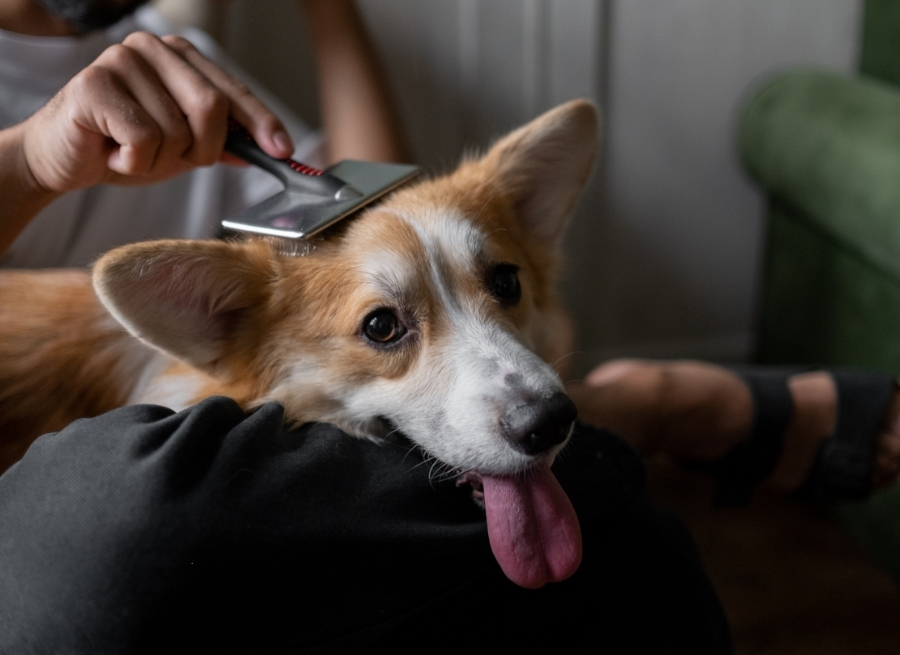
Short-haired dogs need regular brushing to keep their coat healthy. Brushing removes loose hair and dirt. It also helps spread natural oils across their skin. This keeps their coat shiny and smooth. The right brushing frequency depends on many factors.
Brushing too often can irritate the skin. Not brushing enough may cause shedding and dirt buildup. Find a balance that suits your dog’s needs.
Daily Vs Weekly Brushing
Daily brushing is good for dogs that shed a lot. It helps control loose hair and dirt. Short sessions work best to avoid stress. Weekly brushing suits dogs with less shedding. It keeps their coat clean and healthy. Choose the schedule that fits your dog’s comfort and lifestyle.
Factors Influencing Brushing Needs
Breed affects how often you should brush. Some short-haired breeds shed more. Activity level matters too. Active dogs gather more dirt and debris. Skin condition is important. Sensitive skin needs gentle and less frequent brushing. Weather can play a role. Dry seasons may require more care to prevent skin dryness. Watch your dog’s coat and skin closely. Adjust brushing frequency as needed.
Benefits Of Regular Brushing
Brushing your short-haired dog regularly offers many benefits. It keeps their coat clean and healthy. Brushing also helps you spot any skin problems early. This simple habit supports your dog’s overall well-being. Let’s explore the main benefits of regular brushing.
Improved Coat Health
Brushing removes dirt and loose hair from your dog’s coat. It spreads natural oils evenly, making the fur shiny. A healthy coat protects your dog from weather and insects. Regular brushing prevents tangles and mats, which can hurt the skin. Your dog’s coat will look smooth and feel soft to touch.
Reduced Shedding
Short-haired dogs still shed, but brushing helps control it. Regular brushing catches loose hair before it falls around your home. This means less hair on your furniture and clothes. It also helps keep your dog comfortable by removing dead fur. You will notice less hair on floors and less cleaning overall.
Skin Stimulation
Brushing gently massages your dog’s skin. This improves blood flow and skin health. Good blood circulation helps the skin heal faster. It also keeps the skin more elastic and less dry. Your dog will enjoy the soothing feeling during brushing time.
Read More – How to Remove Dog Hair From Furniture Naturally
Choosing The Right Brush
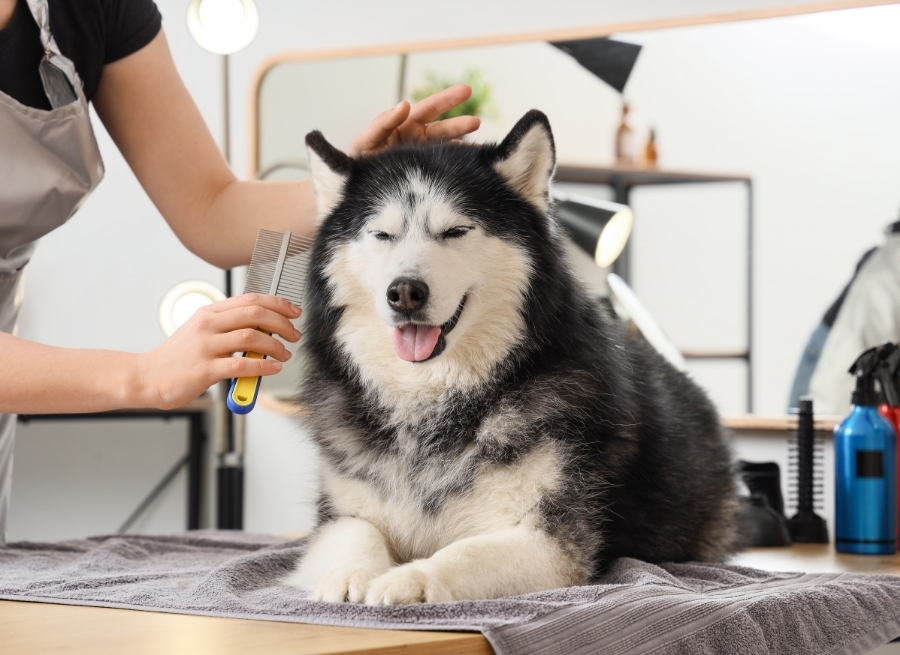
Choosing the right brush for your short-haired dog helps keep their coat healthy. A good brush removes loose hair and dirt. It also spreads natural oils that keep skin soft. The right brush makes grooming easy and comfortable for your dog.
Types Of Brushes For Short Hair
Short-haired dogs need gentle brushes. A slicker brush has fine wires that remove loose hair. It works well on most short coats. A bristle brush has soft bristles. It helps remove dirt and adds shine. A rubber curry brush is good for massaging. It lifts loose fur and dirt easily.
How To Select The Best Brush
Choose a brush based on your dog’s coat type. Feel the coat to check its thickness and softness. Pick a brush that feels gentle on their skin. Look for a handle that fits comfortably in your hand. Avoid brushes with sharp or hard bristles. Test the brush on a small area first. Watch your dog’s reaction to see if they like it.
Brushing Techniques
Brushing techniques for short-haired dogs are simple but important. Proper brushing keeps your dog’s coat healthy and shiny. It also helps remove loose hair and dirt. Gentle brushing can make your dog feel comfortable and loved. Use the right tools and methods for the best results.
Proper Brushing Methods
Choose a soft-bristle brush or a rubber grooming mitt. Brush in the direction of hair growth. Use gentle strokes to avoid hurting your dog. Start brushing slowly and watch your dog’s reaction. Do not press too hard on the skin. Brushing should be a calm and enjoyable time.
Areas To Focus On
Focus on areas where dirt and loose hair collect. Common spots include behind the ears, under the neck, and along the back. Check the belly and tail base for hidden debris. Brush these areas carefully to avoid discomfort. Regular attention keeps your dog’s coat clean and smooth.
Read More – How to Clean Dog Ears at Home Without Hurting Your Dog
Signs Your Dog Needs More Frequent Brushing
Brushing your short-haired dog regularly keeps their coat healthy and clean. Sometimes, signs show your dog needs more frequent brushing. Watching for these signs helps you keep your dog comfortable and looking great.
Short-haired dogs may not need brushing every day. But certain changes in their coat or skin can mean it is time to brush more often. Check your dog for these key signs.
Excessive Shedding
Shedding is normal for all dogs. But if you see large amounts of loose hair daily, brushing needs to increase. Excessive shedding can lead to clumps of fur around your home. Regular brushing removes dead hair before it falls off. This helps keep your dog’s coat neat and reduces shedding around the house.
Dry Or Irritated Skin
Dry or irritated skin may appear flaky, red, or itchy. Short-haired dogs can develop skin problems if not brushed enough. Brushing spreads natural oils from the skin through the coat. This keeps the skin moist and healthy. More frequent brushing can relieve dryness and prevent irritation. Watch your dog for signs of scratching or redness. These signs show your dog needs more care with brushing.
Additional Grooming Tips
Grooming a short-haired dog involves more than just brushing. Taking care of their skin, nails, and ears keeps them healthy and happy. These extra steps help prevent problems and keep your dog feeling great.
Bathing Frequency
Short-haired dogs do not need baths often. Bathing once every one to three months is usually enough. Bathing too much can dry out their skin. Use a gentle dog shampoo to protect their coat and skin. Always rinse well to avoid irritation.
Nail And Ear Care
Trim your dog’s nails every three to four weeks. Long nails can cause pain and walking problems. Use special dog nail clippers and be careful not to cut the quick.
Check your dog’s ears weekly. Clean them with a soft cloth or dog ear cleaner. Avoid using cotton swabs deep inside the ear. Look for redness, bad smell, or dirt that may need a vet’s attention.
Read More – Top 7 Dog Essentials Every New Owner Should Buy
Frequently Asked Questions
How Often Should I Brush My Short-haired Dog?
Brush your short-haired dog once or twice a week. This helps remove loose fur and reduces shedding. Regular brushing keeps their coat healthy and shiny.
Can Brushing Prevent Skin Problems In Short-haired Dogs?
Yes, brushing stimulates skin oils and improves circulation. It helps prevent dry skin and promotes a healthy coat. Regular grooming reduces the risk of skin infections.
Is Brushing Important For All Short-haired Dog Breeds?
Yes, all short-haired breeds benefit from brushing. It controls shedding and keeps their coat clean. Each breed may need slightly different grooming frequency.
What Tools Are Best For Brushing Short-haired Dogs?
Use a soft-bristle brush or rubber grooming mitt. These tools effectively remove loose fur without irritating the skin. Choose based on your dog’s comfort.
Conclusion
Brushing a short-haired dog keeps its coat clean and healthy. Most dogs do well with brushing once or twice a week. This helps remove loose hair and dirt. It also reduces shedding around your home. Pay attention to your dog’s skin and coat condition.
Adjust brushing frequency if needed. Regular brushing strengthens your bond with your pet. It makes grooming a calm, pleasant time together. Remember, gentle strokes work best for short-haired dogs. Simple care goes a long way in keeping your dog happy and comfortable.