Puppy Feeding Schedule: Simple Guide for Daily Meal Timing
A standard Puppy Feeding Schedule calls for four meals daily from eight to twelve weeks of age, reducing to three meals until six months, and settling at two meals daily for most older dogs. Leaving gaps twice as long between feedings can cause sharp drops in blood sugar, especially in toy breeds under four pounds.
How often, by how you use it
| How you use it | How often | What tells you it’s due |
|---|---|---|
| Toy breed puppy | Four to five times daily | Low energy or restlessness between meals |
| Weaned puppy (8–12 weeks) | Four times daily | Frantic food bowl searching every four hours |
| Growing pup (3–6 months) | Three times daily | Consistent begging around midday and late afternoon |
| Adolescent dog (6–12 months) | Twice daily | Sniffing empty bowl at morning and dusk |
| Large breed adult transition | Twice daily | Soft evening stool from oversized single meals |
What happens if you skip it
Skipping planned feeding times disrupts your dog’s digestion and blood chemistry within hours. The first change is physical discomfort: an empty stomach produces stomach acid that causes bile vomiting, which looks like a foamy, yellowish liquid on the floor. In very young toy puppies, missing a meal by just a few hours can trigger hypoglycemia, leaving the pup limp, wobbly, and cold to the touch.
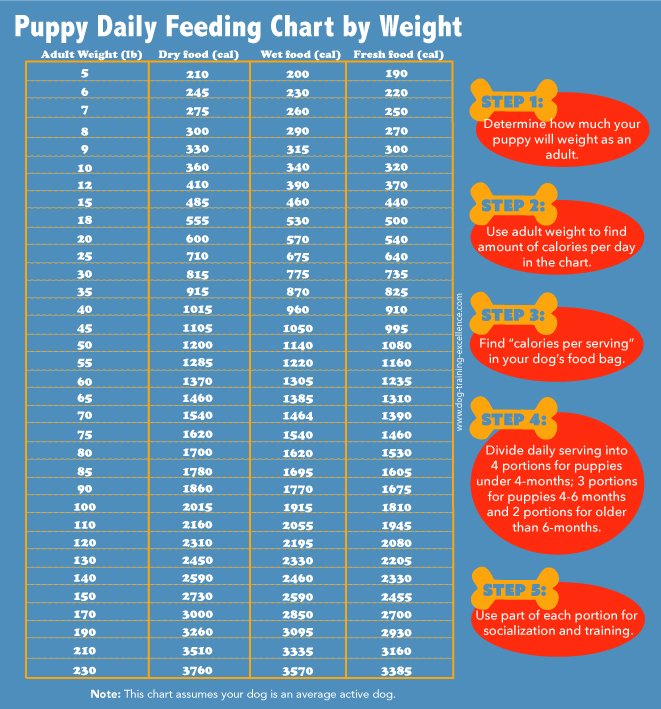
After a few months of erratic meal timing, bathroom training usually falls apart. Puppies naturally need to eliminate twenty to thirty minutes after eating, so unpredictable meals mean unpredictable accidents indoors. Feeding inconsistent amounts at random hours also risks rapid bone growth or excess weight, which strains developing joints. If you’re unsure of your dog’s daily calorie limits, consult your veterinarian to determine the appropriate caloric intake based on your puppy’s specific breed, age, and activity level. Eventually, irregular intervals cause food guarding or frantic gorging, leading to painful abdominal gas and intestinal distress.
The signs it’s overdue
- Yellow foamy vomit appears in the early morning, which means stomach acid has built up from an overly long overnight fast.
- Ribs are easily visible from across the room, which indicates the current daily portion is too small for the pup’s active growth rate.
- Soft, pudding-like stool shows up repeatedly at night, which means the puppy received too much food during the afternoon meal.
- Sudden lethargy or trembling occurs after hard play, which signals a dangerous drop in blood sugar requiring an immediate, small snack.
- Constant food counter-surfing starts within two hours of eating, which suggests the gap between your scheduled bowls is too wide.
- A potbelly with thin ribs develops gradually, which points toward an incorrect balance of meal size versus feeding frequency.
What it takes each time
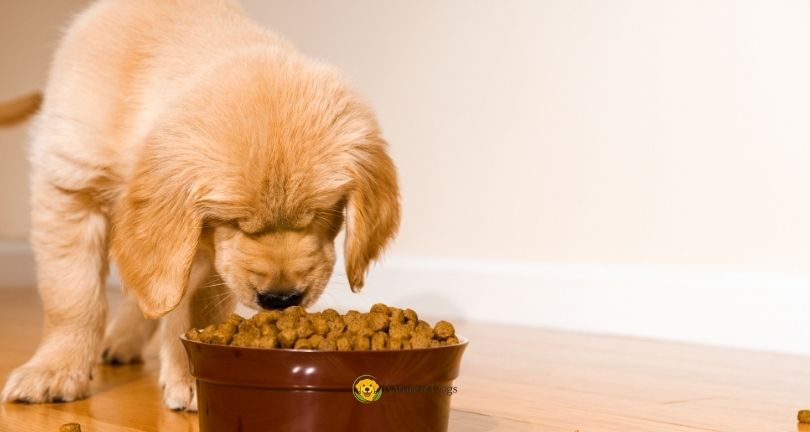
Feeding takes about five minutes per meal and requires only a stainless-steel bowl, a standard dry measuring cup, and your chosen puppy food. The ongoing cost is simply your regular dog kibble, with nothing extra to buy for the routine itself. If the kibble is too hard for an eight-week-old puppy, you’ll need five minutes of soaking time with warm water to soften the pieces. A common mistake people make is using a random coffee mug instead of a standard measuring cup, which can lead to inaccurate portion sizes and potential overfeeding. This routine isn’t for owners who want to fill a giant bowl once a day and let the dog graze freely, because free-feeding ruins house training and hides changes in appetite.
How to go longer between times
- Switch to two larger meals only after six months, which matches your puppy’s slower adolescent growth rate and prevents sudden mid-day hunger.
- Use puzzle feeders for every meal, because slowing down eating from thirty seconds to ten minutes keeps the stomach feeling satisfied much longer.
- Distribute calories evenly across the day’s portions, so the puppy doesn’t experience a massive energy crash between morning and evening.
- Shift the final evening meal ninety minutes earlier, which gives the digestive tract enough time to empty before overnight sleep and prevents midnight whining.
Frequently asked questions
can i leave food out all day for my puppy?
No. Free-feeding makes potty training almost impossible because you can’t predict when your puppy needs to eliminate. Leaving food out all day also attracts pests and makes it harder to notice if your dog suddenly loses their appetite due to illness.
why does my puppy throw up yellow foam before breakfast?
Your puppy’s stomach has been empty for too long overnight, allowing bile to irritate the stomach lining. You can fix this easily by moving the evening meal an hour later or offering a tiny plain biscuit right before bedtime.
how long should a puppy stay on three meals a day?
About six months for most standard breeds. After six months, growth slows down, their stomach holds more volume safely, and you can switch to a morning and evening feeding routine.
is it safe to feed a puppy once a day?
No. Young dogs burn energy rapidly and have small stomachs that can’t digest a full day’s worth of nutrients in a single sitting without vomiting or bloating.
what happens if i miss a feeding by an hour?
Nothing serious will happen to an older puppy beyond some restless whining and begging. Offer the normal measured portion as soon as you can, but never double the next meal to make up for lost time.
does it matter what time i feed my puppy dinner?
Yes. Feeding dinner too late leads to middle-of-the-night bathroom emergencies in your crate. Aim to feed the last meal about three hours before bedtime so your puppy has time to digest and poop outside.
What to do next
Set three phone alarms today for your puppy’s morning, midday, and evening meals based on your household routine. You should see firmer, predictable stools and fewer house-training accidents within forty-eight hours of keeping these exact times. If your puppy refuses two meals in a row or seems weak and dizzy, stop the schedule immediately and call your local veterinarian.