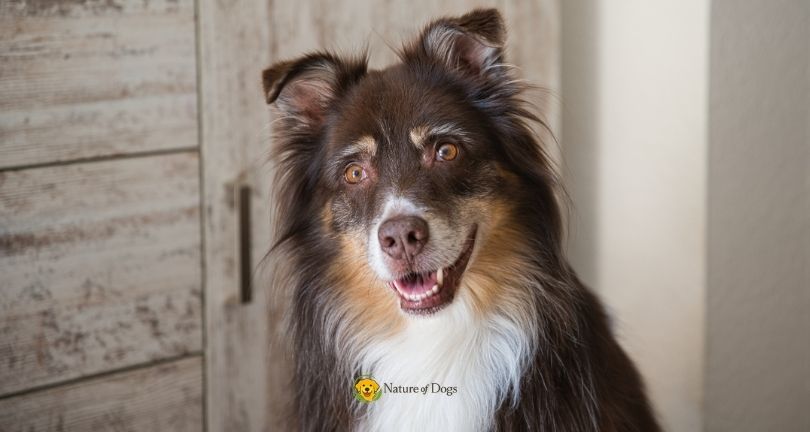
Why Does My Dog Stare at Me Without Blinking?
Last Updated on October 4, 2026
Dogs stare without blinking primarily for visual communication, affection, or anticipating daily routines like meals and walks. In rare situations, an unbroken, glassy stare points to a medical event like a focal seizure or canine cognitive dysfunction.
Most Likely Causes of Unblinking Dog Stares
Dogs use their eyes to gather information and prompt reactions from their human handlers. Here are the primary reasons for this behavior, ranked from the most common daily habits to rare medical issues:
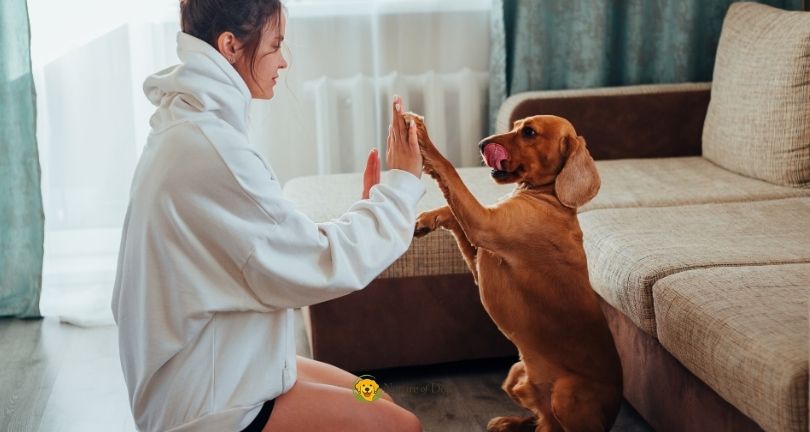
- Anticipating a reward or routine. Dogs track human movement closely when they expect dinner, a treat, or a walk outside. If the kitchen cupboard opens or you grab a jacket, a fixed gaze is their way of staying ready.
- Reading your facial cues. Canines constantly scan human faces to figure out moods and interpret spoken directions. They hold eye contact until they understand what you want them to do next.
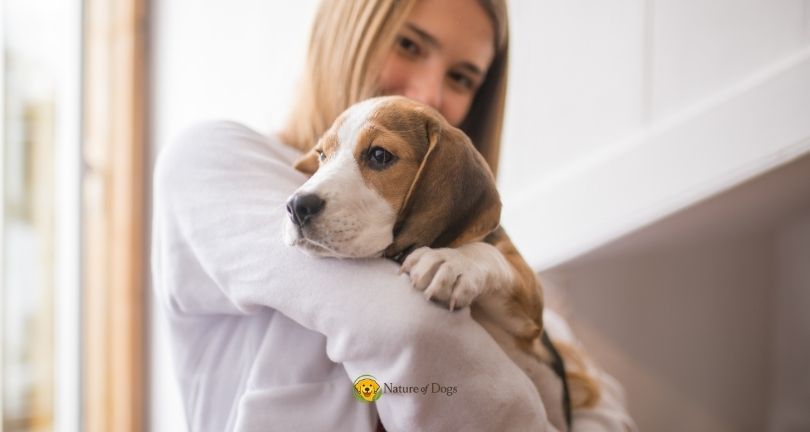
- Expressing social bonding. Mutual eye contact triggers chemical changes in both humans and dogs, strengthening affection and reassurance. Soft eyes and relaxed ears show this gaze is friendly.
- Guarding a high-value item. A dog holding a bone or toy may freeze and lock eyes if someone walks too close. This tense posture warns people to back away from their possession.
- Cognitive confusion or memory loss. Senior dogs experiencing mental decline often space out, staring into walls or human faces without processing their surroundings. They lose track of what they were doing and stop responding normally.
- Focal seizures or neurological episodes. A medical event known as an absence seizure can cause a dog to stand rigid and stare blankly for several seconds. The dog won’t track movement, blink, or respond to spoken commands during an episode.
| Eye Expression and Body Language | Most Likely Cause | Immediate Action to Take |
|---|---|---|
| Soft face, wagging tail, loose mouth | Affection or bonding | Talk gently or offer a calm pat on the chest |
| Rigid stance, raised hackles, hard stare | Resource guarding or defense | Step backward slowly and avoid reaching for nearby items |
| Focused eyes, head tilt, perk ears | Waiting for food, walk, or cue | Give a known obedience cue or continue your routine |
| Glassy stare, wandering aimlessly, confusion | Age-related cognitive decline | Guide the dog to a quiet rest area and note the pattern |
| Stiff body, twitching mouth, unresponsive | Neurological absence seizure | Time the episode and keep the area free of sharp hazards |
What Does an Unbroken Gaze Mean for Your Dog?
An unbroken gaze serves as a direct request for clear feedback or an expression of trust. When your dog looks at you without blinking, it’s usually checking your body language.
Eye contact between dogs and owners also releases oxytocin, reducing stress. According to research published by UC Davis Veterinary Medicine on canine behavior, dogs rely heavily on visual cues from human eyes and faces to navigate their daily social relationships.
Tip: If an intense stare feels slightly uncomfortable, break eye contact by dropping a treat away from you to let your dog reset without conflict.
Safe Checks You Can Do at Home
You can check whether your dog’s stare is harmless communication or something that requires care by checking a few simple physical responses.
- Look at the surrounding context. Check the clock and room setup. A stare at 5:00 PM usually just means your dog expects dinner.
- Test their focus with a simple cue. Say your dog’s name or give a command like “sit.” A mentally present dog breaks their stare immediately to respond to your voice.
- Observe the full body posture. Check if the muscles around the forehead, jaw, and shoulders look soft or hard. Soft muscles mean calm interest, while stiff joints signal wariness.
- Gently move your hand across their field of view. Wave a hand a foot away from the nose without touching the face. Healthy dogs track the motion or blink naturally in response.
- Look for an environmental trigger. Check behind you or outside the window. Dogs often look toward you when a distant sound or strange scent catches their attention.
Is It Safe to Let Your Dog Stare at You?
Letting your dog stare at you is entirely safe when the dog shows loose body language, calm breathing, and clear responsiveness to your voice.
In canine communication, a rigid, wide-eyed look is known as a hard stare. If an unfamiliar dog or an anxious pet fixes you with a hard stare, you must avoid staring back directly into its eyes.
Managing the Behavior Versus Calling a Vet
Most staring habits need simple behavioral adjustments, but specific physical signs require help from a veterinary clinic.
When to Handle It at Home
If your dog stares while waiting for lunch, snacks, or outside walks, you can safely manage this at home. If the staring feels pushy, ask for a polite behavior first, like lying on a mat.
When to Seek Professional Advice
Contact a veterinarian if the unblinking look appears alongside disorientation, sudden loss of house training, or walking into walls. Staring spells where a dog can’t hear you, drools heavily, or has tiny face twitches may point to a neurological issue. In these cases, filming the behavior on a phone helps the vet evaluate the issue accurately.
Frequently Asked Questions
Can dogs blink their eyes like humans do?
Yes, dogs blink, but they do it far less frequently than humans. They possess a third eyelid called a nictitating membrane that sweeps across the eye surface. This protective layer keeps their eyes moist and clear of debris without requiring the full, rapid blinks that human eyes need.
Why does my dog stare at me while pooping?
Dogs stare while pooping because adopting that posture puts them in a vulnerable position. Looking at you gives them a sense of protection and safety while they take care of their business. They trust you to spot any nearby hazards while their guard is down.
Should I stare back into my dog’s eyes?
You can look back if your pet is relaxed and comfortable with eye contact. Avoid staring down an unfamiliar, frightened, or tense dog, as that can be interpreted as a threat. If your own dog looks away first, let them break contact naturally without forcing it.
What is the difference between a soft stare and a hard stare?
A soft stare shows relaxed facial muscles and normal breathing, while a hard stare involves a rigid body, unblinking wide eyes with visible whites, and a frozen stance. This stiff posture signals that the dog feels threatened and needs immediate space. Recognizing the difference helps prevent stress or defensive reactions.