7 Must-Have Puppy Essentials for the First Month
Last Updated on October 4, 2026
Bringing home a new puppy is exciting, but the first month can also feel overwhelming. Your puppy is adjusting to a new home, new people, new routines, and a completely different environment. Having the right puppy essentials ready before they arrive makes this transition smoother, safer, and less stressful for both of you.
The first month is all about comfort, training, bonding, and building healthy habits. From food bowls to chew toys, each item plays an important role in helping your puppy feel secure and learn what is expected. Below are the 7 must-have puppy essentials every new pet parent should prepare.
1. High-Quality Puppy Food
Your puppy’s nutrition is one of the most important parts of their early development. Puppies grow quickly, so they need food specifically designed to support healthy bones, muscles, brain development, and energy levels.
Choose Food Made for Puppies
Look for food labeled “puppy” or “growth and development.” Puppy food contains the right balance of protein, fat, vitamins, and minerals that young dogs need. Avoid feeding adult dog food during the first month unless your veterinarian recommends it.
Stick to a Feeding Schedule
Most puppies do best with three to four small meals per day. A consistent feeding schedule helps with digestion and makes potty training easier. If you plan to change your puppy’s food, do it gradually over 7–10 days to avoid stomach upset.
2. Food and Water Bowls
Food and water bowls may seem simple, but they are essential from day one. Your puppy should always have access to clean, fresh water.
Best Bowl Materials
Stainless steel bowls are usually the best choice because they are durable, easy to clean, and less likely to hold bacteria. Ceramic bowls can also work well, but avoid bowls that chip easily. Plastic bowls are lightweight but may become scratched and collect germs over time.
Consider a Non-Slip Base
Puppies are playful and messy eaters. A non-slip bowl or feeding mat can prevent spills and keep your feeding area cleaner.
3. Comfortable Puppy Bed or Crate
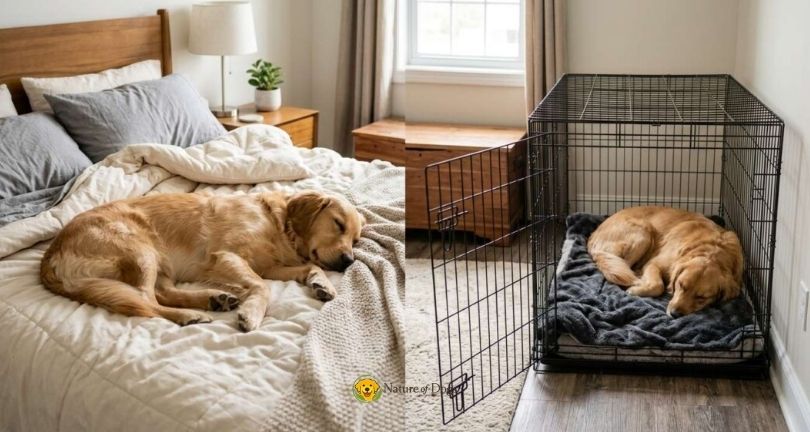
Your puppy needs a safe, cozy place to rest. Sleep is especially important during the first month because puppies spend much of their time growing, learning, and recovering from all the excitement around them.
Why a Bed Matters
A soft puppy bed gives your dog a designated place to relax. It also helps create a sense of security. Choose a washable bed because accidents, dirt, and chewing are common during the early weeks.
Crate Training Benefits
A crate can be one of the most useful puppy essentials. When introduced properly, it becomes a safe den-like space, not a punishment. Crates can help with potty training, prevent destructive chewing when you cannot supervise, and support a healthy sleep routine.
Choose a crate that is large enough for your puppy to stand up, turn around, and lie down comfortably, but not so large that they can use one side as a bathroom.
4. Collar, Harness, and Leash
Your puppy will need safe walking gear, even if they are not ready for long walks yet. A collar, harness, and leash help with identification, training, and controlled outdoor time.
Start with a Lightweight Collar
A soft, adjustable puppy collar is ideal for everyday wear. Make sure it fits properly: you should be able to slide two fingers between the collar and your puppy’s neck. Attach an ID tag with your contact information as soon as possible.
Use a Harness for Walks
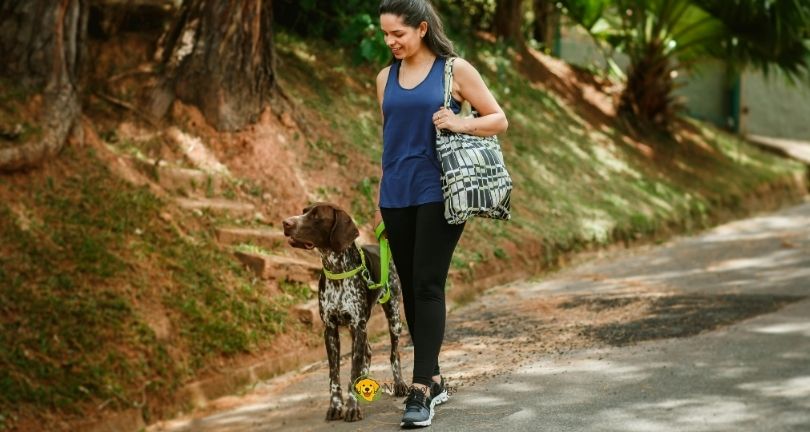
For walks and leash training, a harness is often safer and more comfortable than attaching the leash to a collar. Puppies may pull, jump, or suddenly stop, and a harness helps reduce pressure on the neck.
Practice Leash Training Early
During the first month, keep leash sessions short and positive. Let your puppy get used to wearing the harness indoors before going outside. Use treats and praise to encourage calm walking.
5. Puppy Pads and Cleaning Supplies
Accidents are guaranteed during the first month, even with a smart and well-trained puppy. Being prepared with puppy pads and pet-safe cleaning supplies will save you stress.
Puppy Pads for Potty Training
Puppy pads can be helpful if you live in an apartment, have limited outdoor access, or are waiting until your puppy is fully vaccinated. Place pads in a consistent location and praise your puppy when they use them correctly.
Enzymatic Cleaner Is Essential
Regular household cleaners may remove the stain but not the smell. Puppies are likely to return to the same spot if they can still detect odor. An enzymatic cleaner breaks down urine and waste smells, making repeat accidents less likely.
6. Safe Chew Toys and Training Treats
Puppies explore the world with their mouths. Chewing is normal, especially during teething, but they need safe items to chew instead of shoes, furniture, or cords.
Choose Puppy-Safe Toys
Look for soft rubber chew toys, teething toys, rope toys, and interactive toys made for puppies. Avoid toys that are too hard, too small, or easy to break into pieces. Anything your puppy can swallow is a choking risk.
Use Treats for Positive Training
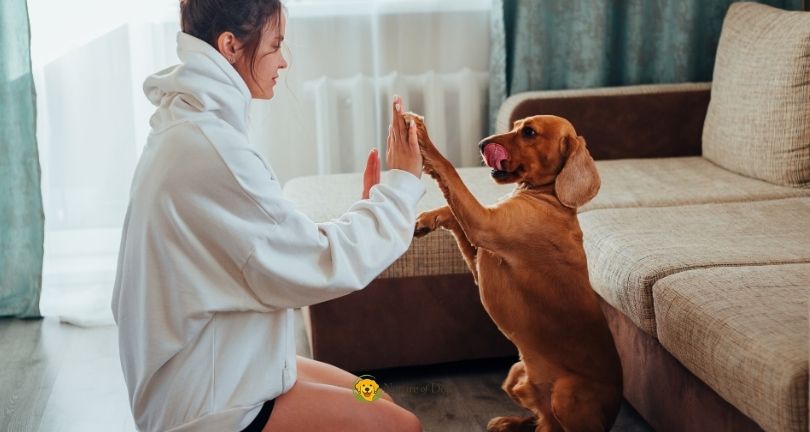
Small, soft training treats are perfect for teaching basic commands like “sit,” “come,” and “leave it.” Treats also help reward good potty behavior, crate comfort, and calm handling.
Keep treats small so you can reward often without overfeeding. Training should be short, fun, and consistent.
7. Grooming and Health Supplies
Basic grooming and health items help your puppy stay clean, comfortable, and healthy from the beginning. You do not need a full professional grooming kit right away, but a few essentials are important.
Basic Grooming Items
Start with a puppy brush, nail clippers or a nail grinder, puppy-safe shampoo, and grooming wipes. Brushing helps your puppy get used to being handled, which makes future grooming easier.
Health Must-Haves
You should also have poop bags, a pet first-aid kit, and your veterinarian’s contact information. Schedule your puppy’s first vet visit soon after bringing them home. Your vet can discuss vaccinations, deworming, flea prevention, feeding, and any breed-specific needs.
Extra Tips for the First Month With a Puppy
The right supplies are important, but routine and patience matter just as much. Keep your puppy’s environment calm for the first few days. Introduce new people, pets, and places slowly. Puppies need structure, but they also need time to adjust.
Create a simple daily routine for feeding, potty breaks, playtime, training, and sleep. Consistency helps your puppy learn faster and feel more secure. Reward good behavior often and avoid punishment, especially during the early adjustment period.
Conclusion
Preparing for a new puppy is much easier when you know what essentials you truly need. During the first month, focus on the basics: nutritious puppy food, safe bowls, a comfortable bed or crate, proper walking gear, potty training supplies, chew toys, treats, and grooming items.
These puppy essentials help create a safe, loving, and structured environment for your new dog. With patience, consistency, and the right supplies, your puppy’s first month at home can be the beginning of a happy, healthy life together.
FAQs About Puppy Essentials
What do I need before bringing a puppy home?
Before bringing a puppy home, you should have puppy food, food and water bowls, a bed or crate, collar, harness, leash, puppy pads, cleaning supplies, chew toys, treats, grooming tools, and a vet appointment scheduled.
How often should I feed my puppy in the first month?
Most puppies need three to four meals per day during the first month. The exact amount depends on your puppy’s age, breed, size, and food type. Always follow the feeding guide on the food package and ask your vet for personalized advice.
Is a crate necessary for a puppy?
A crate is not strictly required, but it is highly useful. Crate training can help with potty training, sleep routines, travel safety, and preventing destructive behavior when your puppy cannot be supervised.
What toys are best for a new puppy?
The best toys for a new puppy are soft rubber chew toys, teething toys, rope toys, plush toys designed for puppies, and interactive treat toys. Avoid toys with small parts, sharp edges, or materials that can easily break apart.
How do I make my puppy feel comfortable in the first few days?
Give your puppy a quiet space, a cozy bed or crate, regular potty breaks, gentle handling, and a consistent routine. Avoid overwhelming them with too many visitors or new experiences right away. Patience and positive reinforcement are key.