Can Dogs Eat Peanut Butter? How to Check for Safe Ingredients
Yes, but only without xylitol. The presence of artificial sweeteners flips this answer straight to no. You can confirm if it’s safe for dogs to eat peanut butter by reading the ingredient label on your jar right now before feeding any to your pet.
When dogs can safely eat peanut butter
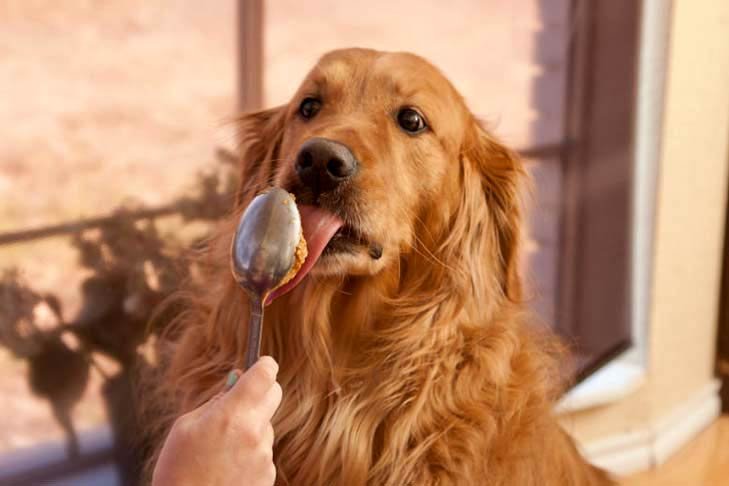
Your dog’s health history and the jar’s ingredients decide if this snack is safe.
| Your situation | Answer | Why |
|---|---|---|
| Jar lists only peanuts and salt | Yes | Plain ingredients are safe for healthy pets |
| Jar lists xylitol or birch bark | No | Artificial sweetener causes rapid, life-threatening hypoglycemia |
| Dog has a history of pancreatitis | No | High fat content triggers painful inflammation |
| Dog is on a strict weight loss diet | No | Dense calories cause fast weight gain |
| Healthy dog taking daily pill medicine | Yes | Sticky texture hides medicine very well |
| Dog has an itchy peanut skin allergy | No | Legumes can cause severe allergic reactions |
Checking the ingredients and fat levels
The ingredient list and the total fat content decide whether this treat is safe for your dog. Pure peanuts don’t harm canines, but manufacturers often add fats, sugars, and sugar replacements that disrupt their digestion. The primary chemical danger comes from the artificial sweetener xylitol. The FDA warning on xylitol explains that this compound causes a sudden release of insulin in canines, leading to severe hypoglycemia within an hour.
Fat content serves as the second limiting factor. Peanut butter packs roughly 16 grams of total fat per two tablespoons, depending on the brand. Processing all that fat strains the canine pancreas, an organ that produces enzymes for breaking down meals. When overloaded with heavy oils, the pancreas becomes inflamed, a painful condition called pancreatitis. Salt adds another concern because too much sodium forces the kidneys to work harder to balance bodily fluids. This treat offers high protein and easy dosing for pills, but the trade-off is high caloric density that easily causes obesity if fed too often. Keep in mind that nutritional values vary across brands, so check the label for exact sodium and oil levels. If the jar contains only roasted peanuts, then feed a small portion; if it contains xylitol or added syrups, then throw it in the trash.
How to serve it safely
- Read the ingredient label carefully to verify that roasted peanuts are the only listed ingredient. You’ll know it worked when you see zero artificial sweeteners or chemical names on the panel.
- Measure the exact portion size by using a level measuring spoon instead of guessing with table silverware. You’ll know it worked when small dogs receive no more than half a teaspoon and large dogs get one full tablespoon.
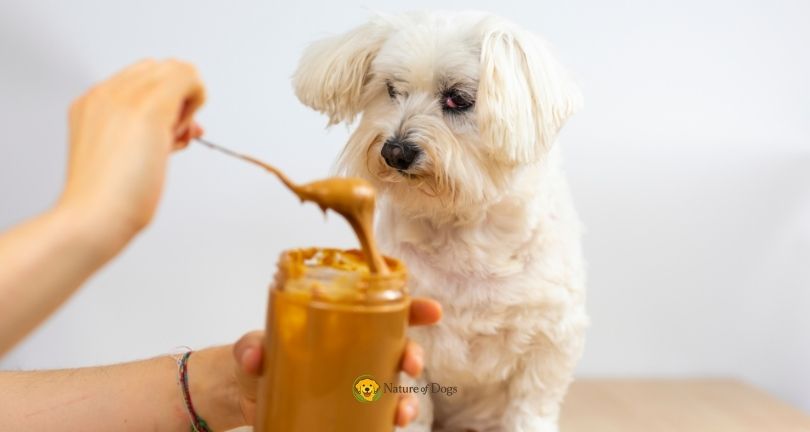
- Offer the treat directly on a spoon so your dog licks it slowly without swallowing excess air or choking. You’ll know it worked when the dog licks cleanly without gagging.
- Monitor your dog for two hours to ensure no delayed stomach upset or facial swelling occurs. You’ll know it worked when your pet acts normally and drinks water without vomiting.
Overfeeding daily calories
The single most common mistake people make is feeding giant spoonfuls straight from a butter knife every single day. Doing this quietly floods a dog’s daily diet with excess calories, turning a healthy animal obese within just a few months. Canine nutritionists recommend that treats make up no more than ten percent of a dog’s total daily calorie intake. A single tablespoon contains around 90 to 100 calories, which can represent nearly a third of the daily allowance for a twenty-pound terrier. That extra weight strains joints, worsens arthritis, and creates costly veterinary bills for joint therapy and weight-management prescription foods. To avoid this costly mistake, measure the snack with a true measuring spoon and count its calories against your dog’s regular daily food bowl.
When to stop and get help
Stop feeding human foods and call a veterinarian immediately if you notice these urgent warning signs:
- Severe vomiting or diarrhea within hours of eating, which indicates pancreatitis or an acute food reaction.
- Stumbling, weakness, or sudden collapse, which points to severe hypoglycemia from accidental xylitol poisoning.
- Swelling around the muzzle, eyes, or neck, because an allergic reaction can close the airway.
Professional intervention is mandatory when toxic sweeteners are involved, because at-home remedies can’t manage the resulting hypoglycemia. Contact the ASPCA Animal Poison Control Center or your local emergency animal clinic right away.
Frequently asked questions
Can puppies eat peanut butter?
Yes, puppies can eat it if it contains no xylitol or added sugar. Limit the portion to a tiny lick from your fingertip, because a puppy’s developing digestive tract gets diarrhea very easily from heavy fats.
How much peanut butter can a dog eat?
About half a teaspoon for small dogs and one tablespoon for large dogs per day. Large quantities overload the digestive tract with fats, which risks triggering painful bouts of pancreatic inflammation.
Why is xylitol dangerous for dogs?
Xylitol causes a rapid, life-threatening drop in blood sugar levels within thirty to sixty minutes in canines. It stimulates an extreme release of natural insulin, which can quickly lead to seizures, liver failure, and death.
Is crunchy peanut butter safe for dogs?
Yes, crunchy styles are safe for adult dogs with healthy teeth. However, this isn’t for young puppies or toy breeds, because the hard, sharp peanut pieces can pose a choking hazard in small throats.
Can dogs eat peanut butter every day?
Usually not, because the dense fat and calorie load easily causes excessive weight gain over time. Use it as an occasional reward or to hide pills rather than an everyday dietary staple.
What happens if my dog eats too much?
Your dog will likely experience loose stools, gas, and temporary stomach cramping from the heavy oil volume. If severe vomiting or extreme lethargy starts, seek emergency medical care for potential pancreatitis immediately.
What to do next
Check the nutrition label on your peanut butter jar right now to verify that xylitol isn’t listed anywhere. You should expect your dog to swallow the treat happily without coughing, gagging, or drooling excessively. If your pet shows any signs of stumbling, vomiting, or facial swelling, stop feeding immediately and call an emergency veterinarian.
Final Thoughts
Treating your dog to a spoonful of peanut butter is a simple joy, as long as you’re careful. Keep that jar tucked away in a safe spot, and don’t hesitate to ask your vet if you’re unsure about a brand. You’ll be glad you took the extra moment to keep them healthy.
Related guides