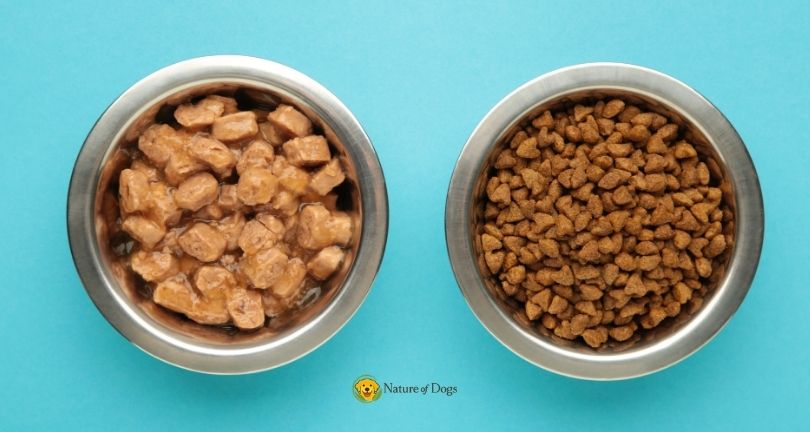
Dry Dog Food vs Wet Dog Food: How to Choose the Right Diet
Dry dog food works best for most healthy pets because it stores easily, cleans cleanly, and keeps daily feeding costs down. In the debate between Dry Dog Food vs Wet Dog Food, canned meals win whenever an older dog needs extra moisture or refuses dry kibble due to sore teeth. The choice depends entirely on your pet’s hydration needs and chewing ability.
The options compared
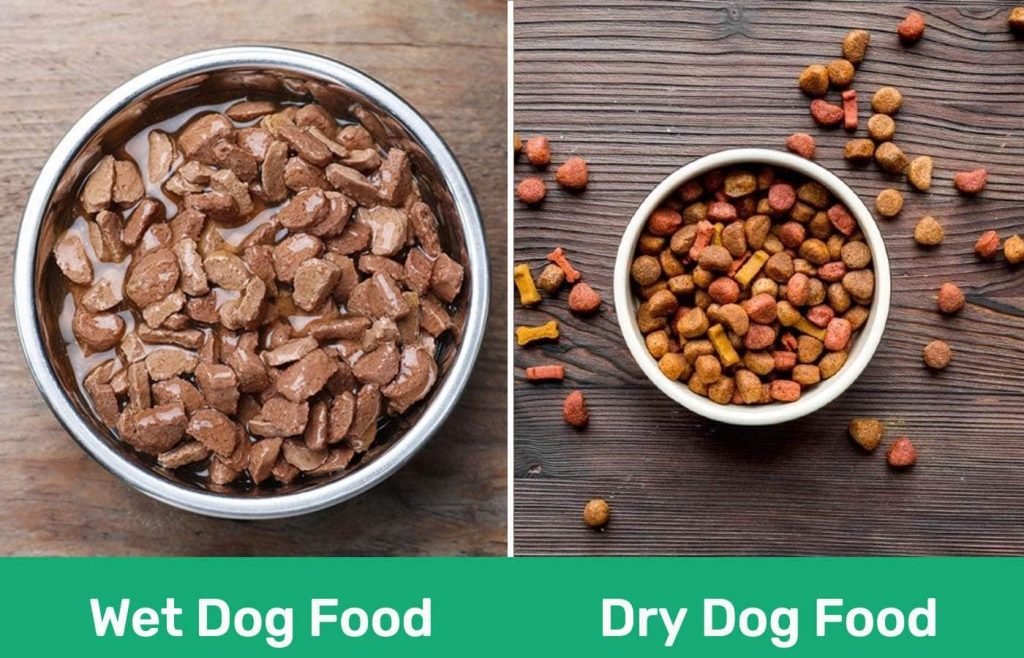
Feeding styles differ in moisture, shelf life, and prep work, so picking the right format means balancing budget against physical health.
| :— | :— | :— | :— | :— | | Dry kibble alone | 2 minutes | Low | Low | Busy owners and healthy adult chewers | | Wet canned food alone | 5 minutes | Medium | High | Picky eaters and dogs needing hydration | | Mixed feeding (kibble + wet) | 4 minutes | Medium | Medium | Balance of taste and daily budget |
Feeding dry kibble
Dry kibble serves as the standard everyday meal for millions of household pets across the country.
- Weigh the exact daily portion with a standard kitchen scale according to the package weight chart.
- Pour the measured kibble into a clean stainless steel bowl and set out a fresh bowl of water beside it.
Kibble stores safely for weeks in an airtight bin, and its firm texture helps scrape mild surface plaque off teeth during chewing. It doesn’t spoil during the workday if your dog eats slowly over several hours. Its main weakness is a very low moisture level, which means dogs must drink plenty of plain water to stay hydrated. If a dog suffers from chronic kidney trouble or struggles to swallow dry chunks, consult a veterinarian instead of forcing dry food.
Feeding canned wet food
Wet food delivers rich animal protein packed in gravy, jelly, or pate for pets needing extra care.
- Pop the can lid and measure the exact meal serving using an accurate measuring spoon or scale.
- Serve the food at room temperature in a wide ceramic dish to keep the dog’s whiskers clean.
- Cover the opened tin with a tight silicone pet lid and refrigerate it immediately.
Canned food provides strong aromas that entice aging dogs, and its high water volume naturally supports urinary tract health. It contains fewer carbohydrates per bite than baked dry grains. Its genuine weakness is short shelf life once exposed to air; uneaten portions spoil quickly in warm rooms. People often leave open cans out on counters all day, which costs them money when spoiled meat must be thrown away.
Mixing wet and dry together
Combining both textures gives you the palatability of canned meat alongside the crunchy structure and value of dry biscuits.
- Cut the dog’s standard dry kibble measurement by half to prevent accidental overfeeding.
- Scoop the corresponding half-portion of canned food into the base of the clean bowl.
- Add 2 tablespoons of warm water to help bind the textures together.
This blended method satisfies fussy eaters without running up the high bill of an all-canned feeding plan. It also introduces variety without causing stomach distress. Its main downside is messiness, as coated kibble softens quickly and can’t be saved for later if left uneaten. A fourth option is rehydrating kibble with warm bone broth or plain tap water, which softens hard pellets cheaply but lacks the rich meat aroma of real canned food.
Which one should you use?
If you’re in a hurry before leaving for work, choose dry kibble because you can measure and serve it in seconds without cleaning cans or wiping down bowls immediately. If you’re doing this for the first time with a newly adopted pet, choose dry kibble as well; it keeps routines predictable and avoids the runny stools that sudden rich wet foods can trigger. If you want the best possible result whatever it takes, choose a carefully weighed mix of both textures to supply deep hydration alongside mechanical chewing satisfaction. The core trade-off sits between everyday convenience and dietary moisture. If your dog drinks plenty from the water bowl, dry food handles the job well; if your dog ignores the water bowl, wet food becomes a medical necessity.
The rules that apply whichever way you choose
Every commercial dog diet must meet nutritional profiles established by the Association of American Feed Control Officials to ensure it provides a complete and balanced daily ration. Always prepare clean stainless steel dishes before serving any food, as plastic surfaces scratch easily and harbor bacteria. Check your pet’s body condition score partway through every bag or case of food; rib coverage varies by breed, so check the label and adjust the daily cup count if your dog gains excess fat. At the end of every meal, wash all bowls with hot soapy water and store opened cans in the refrigerator below 40°F. If your dog loses weight suddenly or develops chronic diarrhea on any diet, stop home adjustments and seek a licensed veterinarian for medical screening.
Frequently asked questions
Can you mix dry and wet dog food together?
Yes. You can safely combine both styles in the same bowl, provided you calculate total calories accurately. Reduce the dry portion proportionally when adding wet food so you don’t accidentally overfeed your pet.
Why is wet dog food more expensive?
Wet dog food costs more because you’re paying for high water content, heavy steel packaging, and higher shipping weights. Canned recipes also feature greater concentrations of animal proteins compared to grain-dense dry formulas.
How long can wet food sit in a dog bowl?
Two hours is the maximum safe window for wet food left out at room temperature. Bacteria multiply rapidly in moist meat environments, so discard any uneaten canned portions after that limit.
Is dry dog food bad for kidneys?
No, dry food doesn’t cause kidney disease in healthy dogs. However, dogs with existing kidney failure need high moisture, making wet diets far safer for their organ support.
What happens if you switch food without transitioning?
Your dog will likely experience vomiting, painful gas, or severe diarrhea within 24 hours. Always blend the new diet into the old food gradually over several days to minimize digestive upset.
Final Thoughts
Ultimately, you don’t have to pick just one option for your furry friend. Many owners find that mixing a little canned food into the crunchy kibble creates a delicious meal that’s hard to resist. Talk to your veterinarian at your next visit to see what’s best for your dog’s unique health needs.
Related guides