Can Dogs Eat White Rice for Upset Stomach?
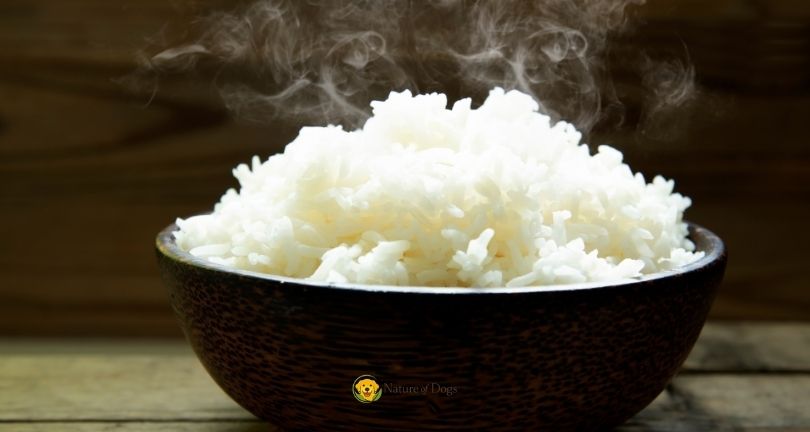
Veterinarians widely recommend plain boiled white rice mixed with lean meat to bind loose stool and rest the bowels during mild digestive troubles. It digests quickly, absorbs excess fluid in the gut, and gives your pet usable energy without irritating an already inflamed stomach.
Why Plain White Rice Helps a Sick Dog
Plain white rice works because it’s a low-fiber, bland carbohydrate that puts minimal strain on your dog’s intestines. When a dog has diarrhea or nausea, the digestive tract needs simple foods that break down without forcing the stomach to produce excess acid or work hard during motility.
Because white rice breaks down quickly into simple sugars, it also offers rapid calories to a sick dog that has lost energy from vomiting or fluid loss.
White Rice vs. Brown Rice for Digestive Trouble
White rice is the right choice for sudden stomach upsets, while brown rice suits daily maintenance for healthy animals.
| Feature | White Rice | Brown Rice |
|---|---|---|
| Fiber Content | Very low | Moderate to high |
| Digestion Speed | Fast and gentle | Slow and demanding |
| Effect on Stool | Binds and firms moisture | Adds bulk and promotes transit |
| Gut Wall Friction | Very low | Moderate |
| Best Situation | Acute diarrhea and vomiting | Regular daily meals for healthy dogs |
Choose white rice if your dog had watery stools today, skipped a meal from nausea, or vomited clear fluid. Choose brown rice if your dog is completely healthy, needs higher fiber for weight management, and shows zero signs of bowel distress.
How Much White Rice to Feed by Dog Weight
A sick dog should eat small, frequent meals rather than large portions that stretch the stomach wall. The table below lists the total daily amount of a bland diet, split into three or four feedings spread evenly across the day.
| Dog Weight | Total Daily Bland Food | White Rice Portion | Boiled Lean Meat Portion |
|---|---|---|---|
| 5 to 15 lbs | 1/2 to 1 cup | 1/3 to 2/3 cup | 3 to 5 tbsp |
| 16 to 30 lbs | 1 to 2 cups | 2/3 to 1 1/3 cups | 1/3 to 2/3 cup |
| 31 to 60 lbs | 2 to 3 1/2 cups | 1 1/3 to 2 1/3 cups | 2/3 to 1 1/4 cups |
| 61 to 90 lbs | 3 1/2 to 5 cups | 2 1/3 to 3 1/3 cups | 1 1/4 to 1 2/3 cups |
| Over 90 lbs | 5 to 6 1/2 cups | 3 1/3 to 4 1/3 cups | 1 2/3 to 2 1/4 cups |
Tip: Cook the rice in extra water until it’s very soft, almost like porridge, which makes it much easier for an irritated gut to absorb.
How to Prepare White Rice for Your Dog
Preparing rice for an unwell pet requires a slightly different method than cooking for yourself. You want extra moisture and soft grains so the starch digests without delay.
- Rinse the uncooked grains. Place standard long-grain white rice in a fine mesh strainer and rinse it under cold tap water to remove surface dirt and loose powdery starch.
- Increase the water volume. Add one cup of rinsed white rice to three cups of water in a saucepan instead of the standard two cups used for human meals.
- Boil without seasonings. Bring the pot to a rolling boil over medium-high heat without adding salt, oils, bouillon cubes, or spices.
- Simmer until mushy. Cover the pan with a tight lid, turn the heat to low, and let it simmer for 25 to 30 minutes until the grains are very soft and mushy.
- Cool completely. Spread the cooked rice onto a flat plate and wait until it drops to room temperature before serving, as hot rice can burn your dog’s mouth and trigger immediate vomiting.
When Should You Avoid Feeding White Rice?
You should avoid feeding white rice if your dog is diabetic, as the fast-digesting starch causes a rapid spike in blood glucose levels. Dogs with confirmed grain allergies or chronic kidney disease also need specialized veterinary diets rather than home-cooked rice.
Solving Bland Diet Issues
Why is my dog refusing to eat the plain rice?
Dogs often reject plain white rice because it lacks an enticing smell. Try mixing in warm, low-sodium plain chicken broth made without onions, or mix the rice thoroughly with the shredded boiled chicken breast so your dog can’t pick around the grains.
What should I do if the diarrhea gets worse after eating?
Stop feeding immediately and rest the stomach for two hours. Some dogs have sensitive systems that react poorly to new starches, while other dogs may have an underlying parasitic infection like giardia that requires prescription dewormers rather than dietary management.
How do I transition back to regular dog kibble?
Transition your pet slowly over three full days once stools return to a normal firm shape. Feed 75% bland food with 25% kibble on the first day, an equal 50/50 split on the second day, and 25% bland food with 75% kibble on the third day before returning to 100% normal food.
Related guides
Frequently Asked Questions
Can I give my dog minute rice or instant white rice?
Yes, instant white rice is safe for dogs with an upset stomach. It’s simply precooked and dehydrated white rice, so it digests just as easily as regular long-grain rice. Cook it thoroughly in plain water without any added seasoning packets or butter before serving.
How long should a dog stay on a white rice diet?
A dog should stay on a bland white rice diet for two to three days at most. White rice lacks vital daily nutrients like calcium, zinc, and essential fatty acids. If loose stools don’t clear up after 72 hours, consult your veterinarian for an exam.
Can puppies eat white rice for loose stool?
Yes, puppies can eat small amounts of white rice mixed with lean meat for mild loose stool. However, young puppies dehydrate much faster than adult dogs. If your puppy has diarrhea lasting more than 12 hours, call your vet clinic right away instead of waiting.
Can I cook the white rice in store-bought chicken broth?
No, you shouldn’t use standard store-bought chicken broth because it almost always contains onion powder, garlic, and high salt levels. Both garlic and onions damage canine red blood cells. Use plain tap water or boil plain chicken breast at home and use that water instead.
Monitor your dog’s hydration by gently pinching the skin at the back of the neck to ensure it snaps back quickly. Keep fresh water nearby, transition back to regular kibble as soon as stools firm up, and contact your vet clinic if symptoms don’t improve within two days.