
How Much Should You Feed Your Dog Each Day? A Feeding Guide
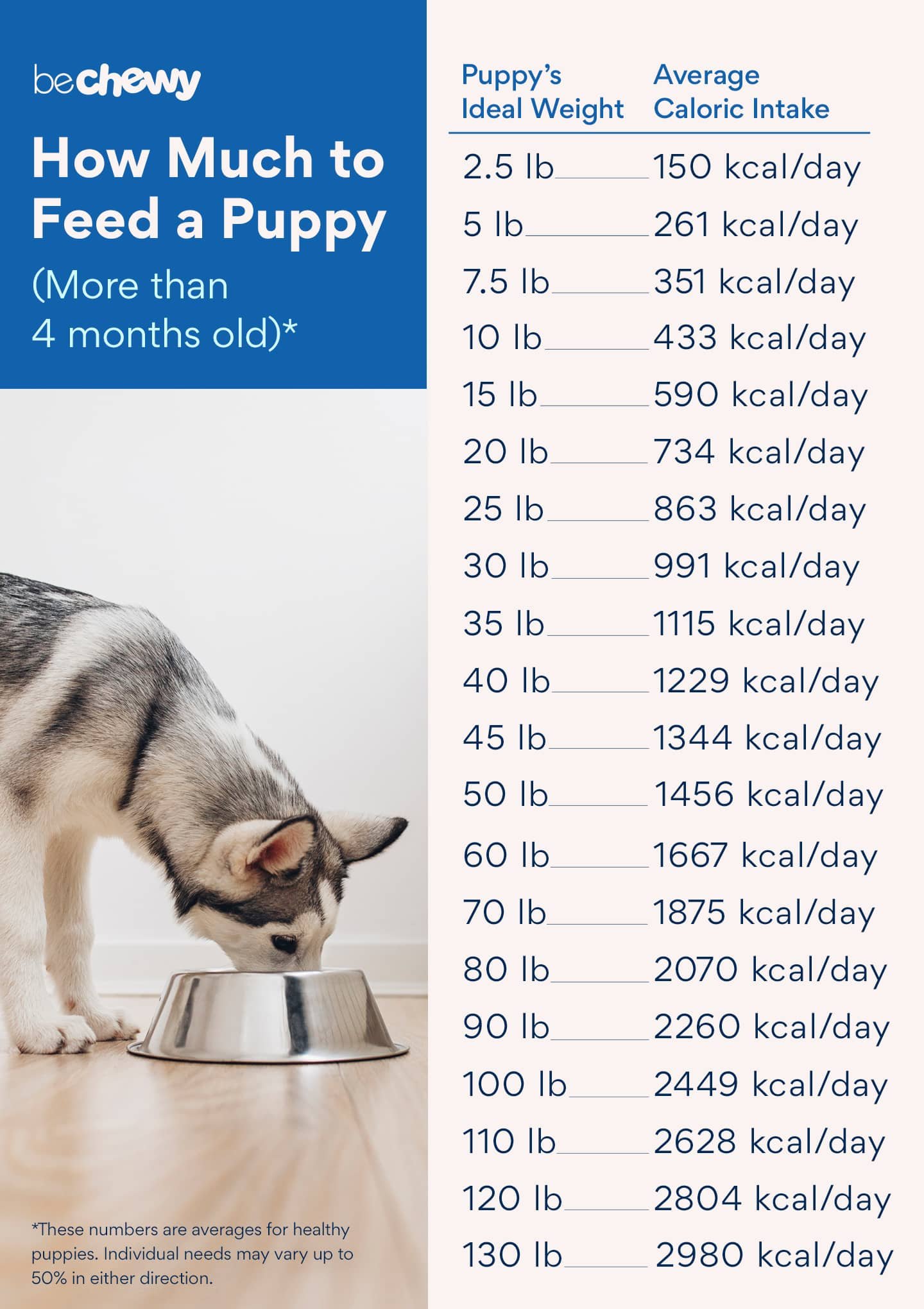
A typical adult dog eats between 1/2 cup and 4 1/2 cups of dry food daily, but determining how much to feed your dog each day depends directly on its target body weight and actual activity level. A 10-pound toy dog needs roughly 200 to 300 calories, while a 70-pound active dog requires around 1,500 calories.
The short version
- Weigh your dog on a bathroom scale every 2 to 4 weeks to spot weight drift before it harms joints.
- Check the calories per cup (kcal/cup) printed directly on your food bag, which usually ranges from 320 to 450 kcal.
- Split the daily portion into two equal meals spaced roughly 10 to 12 hours apart to prevent stomach upset.
- Deduct daily treats from the total meal allotment so extra snacks never exceed 10% of your pet’s daily calorie intake.
- Cut daily food portions by 10% to 15% if your dog is neutered or lounges inside all day.
- Boost daily kibble by 20% to 40% if your dog runs off-leash or works outdoors for over an hour daily.
Why canine metabolism shapes portion size
Dog food bags give broad feeding ranges that often overestimate daily needs. An animal’s actual energy burn comes from its resting metabolic rate, body surface area, and reproductive status.
A dog that sleeps eight hours during your workday burns far fewer calories per pound than a farm collie working stock. If your dog doesn’t run hard every afternoon, feeding the high number on the commercial package leads straight to obesity. Carrying extra weight strains canine hip joints, contributes to intervertebral disc disease, and accelerates arthritis. The World Small Animal Veterinary Association nutritional guidelines recommend scoring your dog’s physical frame using a body condition chart rather than trusting bag estimates. You must be able to feel your pet’s ribs easily under a thin layer of fat without pressing hard. This method isn’t for dogs recovering from major surgery or acute illness; follow veterinary clinical advice instead during recovery.
When the answer is different
Normal adult portions fail when life stages, working demands, or health issues alter daily calorie burn.
| Situation | What changes | What to do instead |
|---|---|---|
| Growing puppy under 6 months | Calorie need doubles per pound | Feed puppy food three times daily |
| Pregnant female in final weeks | Energy and womb room change | Offer small calorie-dense meals often |
| Dog losing weight on diet | Hunger triggers begging behaviors | Add plain canned green beans |
| Dog with chronic kidney disease | Protein and phosphorus waste build | Switch to prescription clinical diet |
How to do it properly
- Find your dog’s ideal weight in pounds, using your vet’s target rather than current excess bulk.
- Read the guaranteed analysis label on your food package to find the specific kilocalories per cup (kcal/cup).
- Calculate resting calorie needs by multiplying ideal weight in kilograms by 30, then adding 70.
- Multiply that resting figure by 1.6 for a standard altered adult pet to get total daily calories.
- Divide that total calorie number by the kcal/cup on the bag to find your exact daily cups.
- Measure dry kibble using a standard 8-ounce kitchen measuring cup or a digital gram scale for precision.
- Divide the total measured portion into two equal bowls, serving one in the morning and one at night.
The mistakes that ruin it
- Using a large household drinking mug instead of a flat 8-ounce measuring cup, which adds 30% extra kibble per scoop and quietly causes steady weight gain.
- Handing out table scraps and dog biscuits without subtracting those calories from the food bowl can lead to obesity and nutritional imbalances.
- Leaving a full bowl out all day for free-feeding, which destroys potty-training schedules and masks early loss of appetite caused by hidden illness.
- Switching to a different food brand without checking the calories per cup, accidentally starving an active pet or overfeeding a lazy one because densities differ widely.
Frequently asked questions
Can I feed my dog once a day?
No, feeding once a day often leads to bile vomiting on an empty stomach and increases bloating risks in deep-chested breeds. Splitting daily food into two meals keeps energy stable, eases stomach digestion, and stops begging behaviors during long afternoons.
How do I know if my dog is hungry or just begging?
Check your dog’s ribs and waistline rather than trusting its eyes. Dogs evolve to scavenge available food even when full. If you feel the ribs easily under light pressure and see an upward waist tuck behind the ribs, your pet gets plenty of daily nutrition.
Does wet food change the feeding amount?
Yes, wet food contains roughly 75% water, which means your dog needs two to three times more volume compared to dry kibble to get equal calories. Check the can’s label for exact ounces, or you’ll severely underfeed your pet.
What happens if I switch foods without adjusting cup sizes?
Your dog either rapidly gains fat or loses muscle mass. A cup of grain-free food might hold 480 calories, while a weight-control cup holds only 280 calories. Always recalculate your dog’s daily cup volume using the new bag’s printed calorie density.
Is it safe to feed raw meat diets using kibble measurements?
No, raw meat contains entirely different moisture levels and fat ratios than dry cereal kibble. Weigh raw rations on a digital gram scale according to formulated recipes, because standard cup scoops will miscalculate essential vitamins, calcium, and overall daily energy.
Why is my dog gaining weight on the recommended bag portion?
Printed feeding charts list starting estimates for intact, active dogs living outdoors, not spayed indoor companions. If your dog lounges inside most of the day, that printed bag suggestion provides roughly 20% to 30% more daily energy than your pet burns.
Final Thoughts
Keep a close eye on your pet’s waistline over the next few weeks. If you notice them gaining or losing weight, don’t hesitate to adjust their portions slightly. You’ll find that a healthy, balanced diet helps your best friend stay happy and energetic for all the years you’ve got ahead together.
Related guides