

How Often Should You Trim Dog Nails?
Last Updated on October 4, 2026
Are you wondering how often you should trim your dog’s nails? Keeping your dog’s nails at the right length is more important than you might think.
If nails get too long, they can cause pain, affect your dog’s walking, and even lead to health problems. But trimming too often or the wrong way can also cause discomfort. You want to get it just right to keep your furry friend happy and healthy.
You’ll discover the simple signs to watch for, the best schedule to follow, and easy tips to make nail trimming stress-free for both you and your dog. Keep reading to find out exactly how to care for your dog’s nails like a pro!
Signs Your Dog Needs A Nail Trim
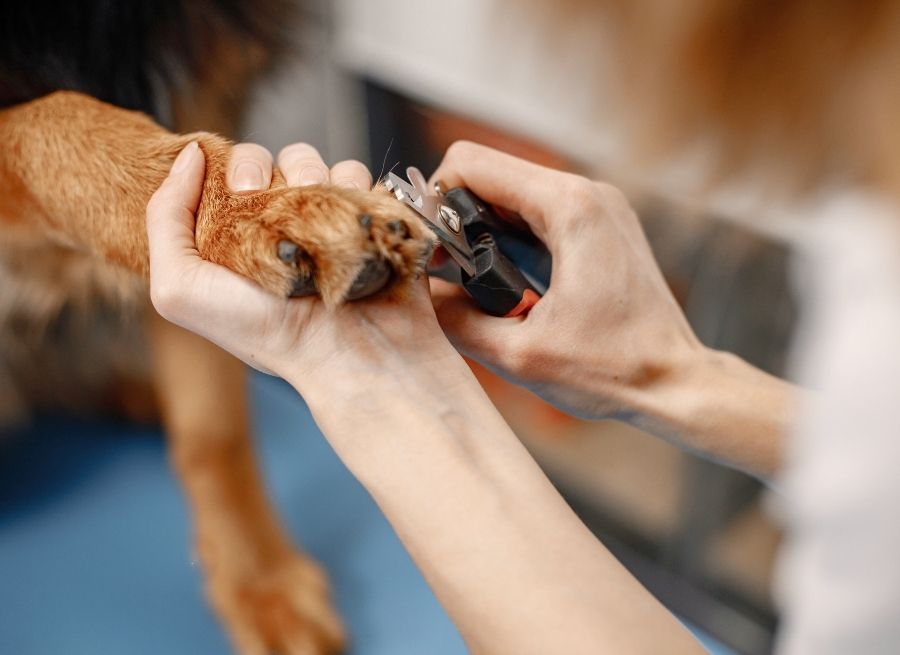
Knowing when your dog needs a nail trim is important for their health. Dogs can’t tell us when their nails hurt or bother them. Watch for signs that show their nails are too long. These signs affect your dog’s comfort, movement, and even your home.
Overgrown Nails And Discomfort
Long nails can cause pain for your dog. They may press into the paw pads. This creates discomfort when walking or standing. Dogs might lick or chew their paws more. Overgrown nails can lead to cuts or infections. Check your dog’s nails often for this reason.
Impact On Walking And Posture
Too-long nails change how your dog walks. They might walk on their toes or change their step. This affects their balance and posture. Over time, it can cause joint pain or other problems. Watch for limping or unusual walking habits.
Damage To Floors And Furniture
Long nails can scratch floors and furniture. You may see marks or damage in your home. Dogs with long nails also have less traction on slippery floors. This can make them slip or fall. Trimming nails helps protect your house and your dog’s safety.
Read More – How Often Should You Brush a Short-Haired Dog?
Factors Influencing Nail Growth
Understanding how often to trim your dog’s nails depends on several key factors. Nail growth varies from dog to dog. These factors shape the speed and amount of nail growth. Knowing them helps keep your dog comfortable and healthy.
Breed And Size Differences
Different breeds have different nail growth rates. Small dogs often have faster-growing nails. Large breeds may have thicker, slower-growing nails. Nail thickness affects how often trimming is needed. Some breeds have nails that wear down naturally. Others need more frequent trims to avoid overgrowth.
Activity Level And Lifestyle
Active dogs who walk on hard surfaces wear down nails more. Less active dogs may need trims more often. Dogs who spend time running or hiking often have shorter nails. Indoor dogs or those on soft surfaces may have nails that grow longer. Lifestyle directly influences nail length and care frequency.
Age And Health Conditions
Older dogs may experience slower nail growth. Health issues can affect nail quality and growth speed. Dogs with arthritis may move less, causing longer nails. Certain diseases impact nail strength and shape. Regular checks help catch any nail problems early.
Recommended Nail Trimming Frequency
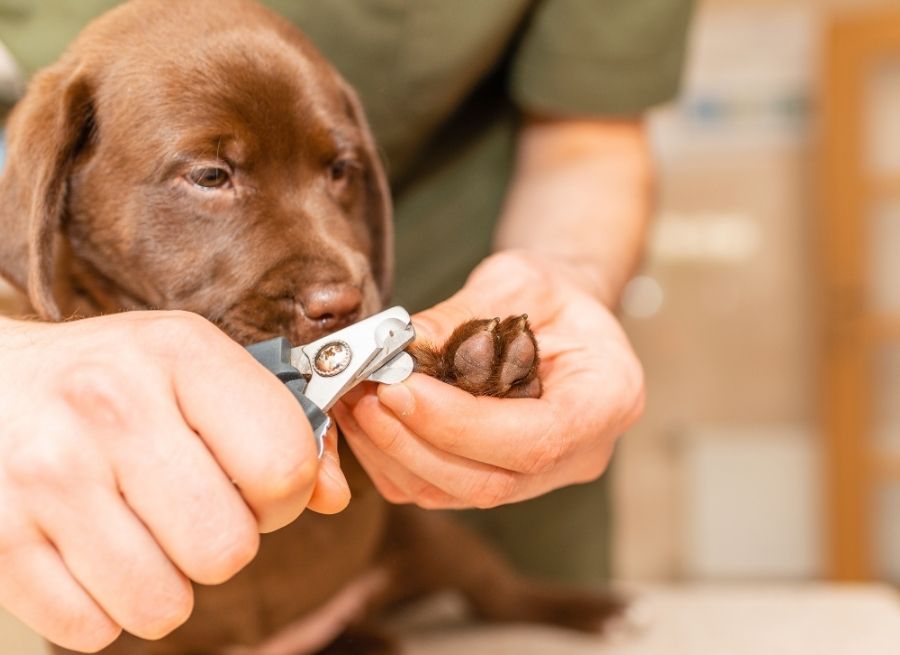
Keeping your dog’s nails trimmed is important for their health and comfort. The frequency of trimming depends on several factors. Regular care helps avoid problems like pain and injury. Here is a guide on how often to trim your dog’s nails.
General Guidelines For Most Dogs
Most dogs need their nails trimmed every three to four weeks. This schedule keeps nails at a healthy length. Check nails every week to see if trimming is needed. If you hear nails clicking on the floor, it is time to trim. Regular trims prevent nails from curling into the paw pads.
Adjusting Frequency For Active Dogs
Active dogs who walk on hard surfaces may need trims less often. Walking on concrete or pavement naturally wears down nails. These dogs might only need trims every six to eight weeks. Still, inspect nails often to catch any overgrowth. Nails that grow too long can cause discomfort and affect walking.
When To Trim Puppies’ Nails
Puppies grow fast, so their nails need frequent attention. Trim puppy nails every two to three weeks at first. This helps them get used to the process early. Be gentle and use proper tools for small nails. Keeping nails short prevents scratching and helps puppies walk better.
Read More – How to Remove Dog Hair From Furniture Naturally
Tools For Safe Nail Trimming
Trimming your dog’s nails safely needs the right tools. The correct tools make nail trimming less stressful for your dog. They also help prevent injuries and pain. Choosing good tools is important for smooth nail care. Here are some common tools used for safe nail trimming.
Types Of Nail Clippers
Nail clippers are the most common tool. They come in three main types: guillotine, scissor, and plier style. Guillotine clippers have a hole where you place the nail. Scissor clippers work like scissors and cut from the top. Plier clippers are strong and good for big dogs. Each type cuts nails cleanly when used correctly.
Using A Nail Grinder
A nail grinder is an electric tool that files nails down. It is quieter and less scary for some dogs. Grinders smooth the nails and reduce sharp edges. They take longer than clippers but are safer near the quick. You can shape nails gently with a grinder. It also helps prevent cracking and splitting nails.
Choosing The Right Tool For Your Dog
Pick a tool based on your dog’s size and nail thickness. Small dogs often do well with scissor or guillotine clippers. Large dogs may need plier clippers or a nail grinder. Consider your comfort using the tool too. Watch how your dog reacts to each tool. Choose what works best for both of you.
Tips For Stress-free Nail Trimming
Trimming your dog’s nails can be tricky. Many dogs feel nervous or scared. Nail care should be calm and safe. This makes the experience better for both you and your pet. These tips help keep nail trimming stress-free.
Preparing Your Dog
Start by getting your dog used to having paws touched. Gently hold their paws every day. Praise your dog with soft words. Use a calm voice to relax them. Let your dog sniff the nail clippers. This helps reduce fear. Choose a quiet place without distractions.
Techniques To Avoid Injury
Use sharp, clean nail clippers made for dogs. Cut small parts of the nail at a time. Avoid cutting too close to the quick. The quick is the pink part inside the nail. Stop if you see bleeding. Use a styptic powder to stop bleeding fast. Trim nails slowly and carefully. Hold your dog’s paw firmly but gently.
Rewarding Good Behavior
Give your dog treats after each paw is trimmed. Praise your dog warmly to build positive feelings. Play their favorite game after trimming. Reward good behavior to encourage cooperation next time. Keep nail trimming sessions short and positive. This helps your dog enjoy nail care over time.
Read More – How to Clean Dog Ears at Home Without Hurting Your Dog
When To Seek Professional Help
Knowing when to seek professional help for your dog’s nail care is important. Some nail issues need expert attention to avoid pain or infection. Professionals have the tools and skills to trim nails safely and comfortably. They can also spot problems you might miss.
Signs Of Nail Problems
Watch for redness or swelling around the nails. Cracked or broken nails can cause pain and bleeding. Limping or favoring one paw may show discomfort. Foul smells near the nails might mean infection. If your dog chews nails often, it could signal irritation.
Benefits Of Groomer Or Vet Trimming
Groomers and vets trim nails cleanly and evenly. They avoid cutting the quick, which causes bleeding and pain. Professionals can handle thick or dark nails better. They also check for other paw or skin issues. Regular visits keep nails healthy and your dog comfortable.
Handling Difficult Or Anxious Dogs
Some dogs hate nail trimming and get scared. Professionals use calming techniques and tools to reduce stress. They work quickly and gently to protect your dog. A calm environment helps dogs relax during trimming. If your dog is anxious, a professional visit is safer.
Frequently Asked Questions
How Often Should You Trim Your Dog’s Nails?
Trim your dog’s nails every 3 to 4 weeks. Frequent trimming prevents discomfort and injury. Some dogs may need more or less frequent care depending on activity level and nail growth.
What Happens If Dog Nails Grow Too Long?
Long nails cause pain, walking difficulties, and joint strain. They can also lead to infections and damage to furniture or flooring. Regular trimming keeps your dog comfortable and healthy.
Can Trimming Dog Nails Hurt Them?
Proper trimming does not hurt if done carefully. Avoid cutting the quick, which contains nerves and blood vessels. Use sharp tools and trim small amounts to prevent pain or bleeding.
How Do I Know When To Trim My Dog’s Nails?
Trim nails when you hear clicking on hard floors or see nails touching the ground. Regular inspection helps maintain proper length and prevents overgrowth or splitting.
Conclusion
Trimming your dog’s nails regularly keeps them healthy and comfortable. Check nails every two to four weeks to avoid overgrowth. Short nails help prevent pain and walking issues. Watch for clicking sounds on hard floors as a sign to trim.
Use the right tools and trim little by little. Stay calm and patient to make the process easy. Healthy nails mean a happier dog and fewer vet visits. Keep a routine, and your dog will thank you. Simple care goes a long way in their well-being.