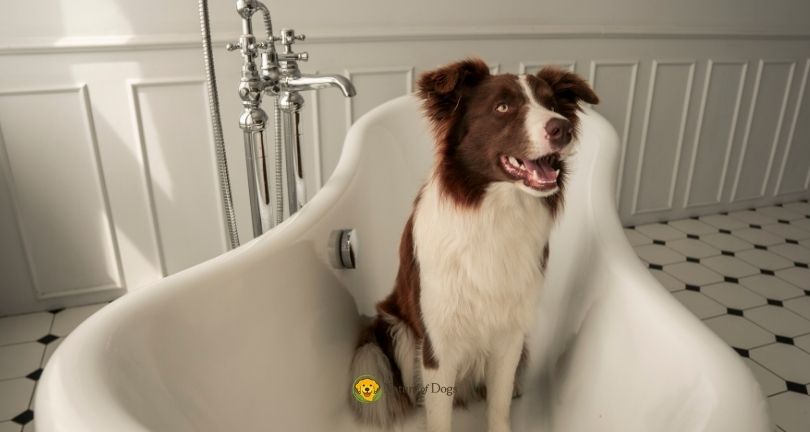
Why Does My Dog Follow Me to the Bathroom? 10 Reasons
Last Updated on October 4, 2026
If your dog follows you everywhere — including into the bathroom — you are definitely not alone. Many dog owners find themselves asking, “Why does my dog follow me to the bathroom?” It can feel funny, sweet, confusing, or even a little inconvenient when your dog insists on joining you during such a private moment.
The good news is that this behavior is usually completely normal. Dogs are social animals, and following their favorite person from room to room is often a sign of attachment, curiosity, routine, or instinct. In most cases, your dog is not trying to be strange or annoying — they simply want to be near you.
Still, there are times when constant following can point to separation anxiety, insecurity, boredom, or overdependence. Understanding the reason behind the behavior can help you decide whether to enjoy your dog’s loyalty or gently teach them healthier boundaries.
In this article, we’ll explore the most common reasons dogs follow their owners to the bathroom, when it may be a problem, and what you can do about it.
Why Does My Dog Follow Me to the Bathroom?
Your dog may follow you to the bathroom because they are bonded to you, curious about what you are doing, protecting you, following a routine, or experiencing anxiety when separated from you. Dogs do not understand privacy the same way humans do, so to them, the bathroom is just another room you happen to enter.
For many dogs, their owner is the center of their world. If you get up and walk away, your dog may naturally think, “Where are we going?” They are not thinking about personal space or closed doors. They are simply responding to their instincts and their relationship with you.
This behavior is especially common in dogs that are affectionate, people-oriented, or naturally loyal. Breeds known for strong attachment, such as Labrador Retrievers, Golden Retrievers, German Shepherds, Border Collies, Chihuahuas, and many companion breeds, may be more likely to follow their owners everywhere.
Read More – How Long Does It Take to Leash Train a Puppy?
Common Reasons Your Dog Follows You to the Bathroom
There are several possible explanations for this behavior. Some are emotional, some are instinctual, and some are simply based on habit.
1. Your Dog Is Deeply Bonded to You
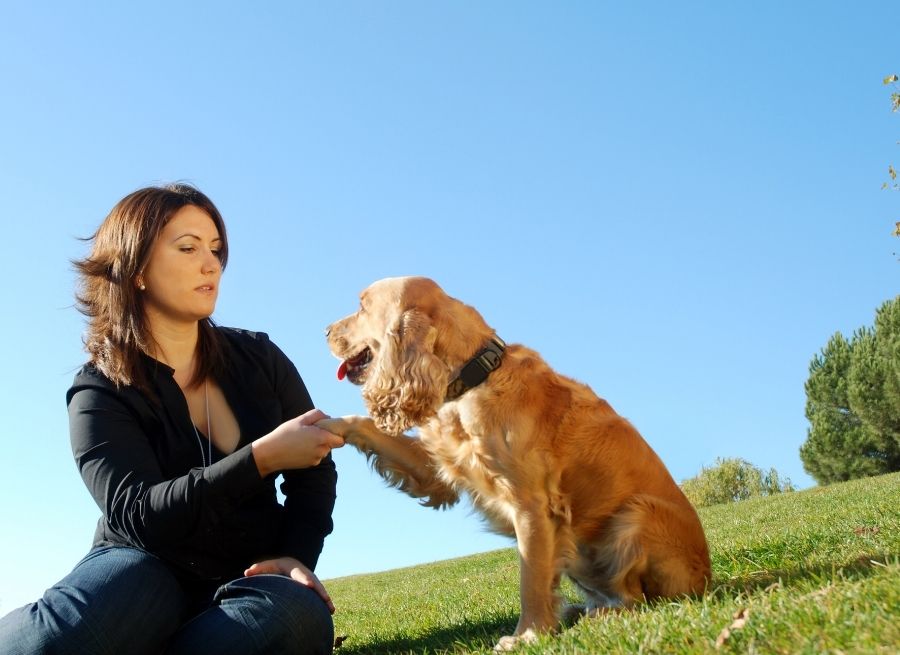
One of the most common reasons your dog follows you to the bathroom is simple: they love being with you.
Dogs are pack animals by nature. In the wild, staying close to the group helps with safety, communication, and survival. Even though your dog lives in a home and not in the wild, that social instinct still exists.
To your dog, you are part of their family group — or in dog terms, their “pack.” When you leave the room, they may want to come along because being near you feels natural and comforting.
Signs your dog follows you because of bonding include:
- They stay close to you around the house.
- They relax when they are near you.
- They enjoy lying at your feet or beside you.
- They wag their tail when you look at or speak to them.
- They follow you calmly rather than anxiously.
If your dog is relaxed and happy while following you, this is usually not a problem. It is often just a sign of affection and trust.
2. Dogs Do Not Understand Human Privacy
Humans understand that the bathroom is a private place. Dogs do not.
Your dog does not think, “My owner needs alone time.” Instead, they see you walking into a room and may naturally want to know what is happening. From their point of view, closing the door may even seem confusing.
Dogs live in a world based on scent, routine, movement, and social connection. They do not have the same social rules around personal space that people do. In fact, dogs often sniff, watch, and investigate things that humans consider private or awkward.
So, while it may feel strange to you, your dog may see bathroom-following as completely normal.
3. Your Dog Is Curious

Dogs are naturally curious animals. They like to know what their humans are doing, where they are going, and whether anything interesting might happen.
The bathroom can be especially interesting to a dog because it contains many strong smells, sounds, and objects. Running water, towels, toilet paper, soap, shampoo, trash cans, and laundry can all attract a dog’s attention.
Your dog may follow you because they are wondering:
- Where are you going?
- What are you doing in there?
- Are you getting ready to leave?
- Is something interesting happening?
- Is there a chance of attention, play, or treats?
For some dogs, the bathroom is simply another place to investigate.
4. Your Dog Wants to Protect You
Some dogs follow their owners to the bathroom because they feel protective.
In the animal world, being vulnerable can be risky. Your dog may instinctively feel that when you are in the bathroom, you are in a more exposed or defenseless situation. They might want to stay nearby to make sure you are safe.
This is especially common in dogs that are naturally alert or protective. They may sit by the door, watch the hallway, or position themselves between you and the entrance.
Protective bathroom-following may look like:
- Sitting near the door and watching outside.
- Standing between you and the doorway.
- Becoming alert when someone approaches.
- Barking if another person comes near.
- Refusing to leave until you do.
This behavior is often harmless if your dog remains calm. However, if your dog becomes aggressive, overly territorial, or anxious when others approach, it may be worth working on training and boundaries.
5. Your Dog Has Separation Anxiety
Sometimes, following you to the bathroom can be a sign of separation anxiety or distress when your dog is away from you.
A dog with separation anxiety does not simply enjoy your company — they may panic when they cannot reach you. If closing the bathroom door causes whining, scratching, barking, pacing, or stress, your dog may be struggling emotionally.
Possible signs of separation anxiety include:
- Whining or barking when you close the bathroom door.
- Scratching or pawing at the door.
- Pacing when you leave the room.
- Following you intensely from place to place.
- Destructive behavior when left alone.
- Excessive drooling or panting when separated.
- Accidents in the house when you are gone.
- Panic when you prepare to leave home.
If your dog only follows you calmly, it may just be attachment. But if they become distressed when they cannot access you, anxiety may be involved.
6. Your Dog Has Learned That Following You Gets Attention
Dogs repeat behaviors that get rewarded. If your dog follows you to the bathroom and you talk to them, pet them, laugh, or make eye contact, they may learn that this behavior gets attention.
Even if you say, “What are you doing in here?” your dog may interpret that as social interaction. For many dogs, attention is rewarding — even if you think you are just reacting casually.
Your dog may continue following you because it has worked in the past. They may receive:
- Petting
- Verbal attention
- Eye contact
- Playful reactions
- A chance to sit near you
- Access to your company
Over time, bathroom-following can become a habit because it consistently leads to some form of interaction.
7. Your Dog Is Following Their Daily Routine
Dogs love routine. They quickly learn patterns in your daily life.
If you usually go to the bathroom before taking your dog for a walk, feeding them breakfast, leaving for work, or going to bed, your dog may associate that bathroom trip with something important.
For example, your dog may think:
- “Bathroom means walk time is coming.”
- “Bathroom means my owner is getting ready to leave.”
- “Bathroom means breakfast is next.”
- “Bathroom means bedtime routine has started.”
In this case, your dog is not necessarily interested in the bathroom itself. They are watching your routine because they expect something to happen afterward.
8. Your Dog Is Bored
A bored dog may follow you everywhere simply because they have nothing better to do.
If your dog is not getting enough mental stimulation, exercise, playtime, or enrichment, your movements become entertainment. Every time you stand up, your dog may see it as the most interesting thing happening in their day.
Boredom-related following may be more likely if your dog also:
- Chews household items.
- Barks for attention.
- Brings toys constantly.
- Gets into trash or laundry.
- Paces around the house.
- Seems restless even after resting.
- Follows every family member from room to room.
Adding more physical exercise and brain games can help reduce clingy behavior caused by boredom.
9. Your Dog Is a “Velcro Dog”
Some dogs are naturally clingy and are often called “Velcro dogs.” These dogs want to stay attached to their owners as much as possible.
Velcro behavior can be influenced by breed, personality, early life experiences, and reinforcement. Some dogs are simply more people-focused than others.
Common Velcro dog traits include:
- Following you from room to room.
- Sitting on your feet.
- Wanting to sleep near you.
- Watching you constantly.
- Getting up every time you move.
- Preferring one person in the household.
- Wanting frequent physical contact.
Velcro behavior is not always a problem. Many affectionate dogs are healthy and happy. However, if your dog cannot relax unless they are touching you or watching you, they may benefit from confidence-building and independence training.
10. Your Dog May Be Looking for Comfort or Security
Dogs often stay close to people who make them feel safe. If your dog is nervous, sensitive, recently adopted, elderly, or adjusting to a change, they may follow you more often for reassurance.
This can happen after:
- Moving to a new home.
- A change in schedule.
- A new baby or pet in the house.
- Loud noises or storms.
- Illness or injury.
- Loss of another pet.
- Being adopted from a shelter.
- A stressful experience.
In these situations, your dog may follow you to the bathroom because your presence helps them feel secure.
Is It Normal for Dogs to Follow You to the Bathroom?
Yes, in most cases, it is normal for dogs to follow their owners to the bathroom. Many dogs do this because they are social, loyal, curious, and attached to their humans.
It is especially normal if your dog:
- Follows you calmly.
- Does not panic when separated.
- Can relax alone at other times.
- Does not become destructive.
- Is not showing signs of fear or stress.
- Responds well when asked to stay outside.
If your dog simply walks in, sits down, and waits peacefully, there is usually no reason to worry. It may just be one of their little habits.
However, if your dog becomes extremely upset when they cannot follow you, the behavior may need attention.
When Should You Be Concerned?
Bathroom-following becomes a concern when it is linked to anxiety, stress, aggression, or an inability to be alone.
You may need to take the behavior more seriously if your dog:
- Cries, barks, or howls when the door is closed.
- Scratches or damages the bathroom door.
- Panics when you leave their sight.
- Cannot settle unless they are next to you.
- Shows destructive behavior when alone.
- Has accidents when separated from you.
- Guards you from other people or pets.
- Becomes aggressive when someone approaches.
- Follows you obsessively and seems distressed.
These signs may suggest separation anxiety, fear, poor confidence, or overattachment. If the behavior is severe, it may help to speak with a veterinarian, certified dog trainer, or veterinary behaviorist.
Should I Let My Dog Follow Me to the Bathroom?
Whether you allow your dog to follow you to the bathroom is mostly a personal choice. If the behavior does not bother you and your dog is calm, it is usually fine.
However, if you want privacy or your dog becomes too dependent, it is okay to set boundaries. Dogs can learn that they do not need to follow you into every room.
You may want to discourage the behavior if:
- You want more personal space.
- Your dog becomes anxious when blocked.
- Your dog scratches doors.
- Your dog gets into bathroom trash.
- Your dog chews toilet paper or towels.
- You are trying to build your dog’s independence.
- Your dog guards you in the bathroom.
The goal is not to punish your dog. The goal is to teach them that being apart for short periods is safe and normal.
How to Stop Your Dog From Following You to the Bathroom
If you want to reduce this behavior, use gentle training and consistency. Avoid yelling, pushing, or punishing your dog, as this can increase anxiety and confusion.
Teach a “Stay” or “Place” Command
One of the best ways to stop your dog from following you is to teach them to stay in a specific spot.
You can train your dog to go to:
- A dog bed
- A crate
- A mat
- A favorite blanket
- A safe resting area
Start by asking your dog to go to their place for a few seconds. Reward them with praise or a treat. Gradually increase the time before releasing them.
For example:
- Say, “Place.”
- Guide your dog to their bed.
- Reward them when they stay there.
- Take one step away.
- Return and reward.
- Slowly increase distance and duration.
Eventually, your dog can learn to relax outside the bathroom while you are inside.
Practice Short Separations
If your dog gets upset when you close the bathroom door, start with very short separations.
At first, close the door for just one or two seconds, then open it before your dog panics. Reward calm behavior. Slowly increase the time as your dog becomes more comfortable.
The key is to teach your dog: closed doors are not scary, and you always come back.
Avoid waiting until your dog is barking or scratching before opening the door, if possible. Otherwise, they may learn that barking makes the door open.
Give Your Dog Something to Do
Before going to the bathroom, offer your dog a safe distraction.
Good options include:
- A stuffed Kong
- A puzzle toy
- A chew toy
- A lick mat
- A snuffle mat
- A treat-dispensing toy
- A favorite bone or chew
This gives your dog a positive activity and helps them learn that being away from you can still be enjoyable.
Reward Calm Independence
Many owners accidentally reward clingy behavior but forget to reward independence.
If your dog is lying calmly in another room, quietly praise them or drop a treat nearby. This teaches them that relaxing away from you is a good thing.
Reward your dog when they:
- Rest on their bed.
- Stay calm when you leave the room.
- Entertain themselves with a toy.
- Remain relaxed behind a closed door.
- Choose not to follow you.
Over time, your dog may become more confident and less likely to follow your every move.
Avoid Making Departures Dramatic
If you make a big deal every time you leave the room, your dog may become more alert and emotional about separations.
Try to keep your movements calm and ordinary. When you go to the bathroom, do not over-explain, repeatedly reassure, or act guilty. Simply go, return calmly, and continue your day.
This helps your dog understand that short separations are normal.
Increase Exercise and Mental Stimulation
A dog with enough exercise and enrichment is often more relaxed at home.
Depending on your dog’s age, breed, and health, helpful activities may include:
- Daily walks
- Fetch
- Tug games
- Scent work
- Training sessions
- Puzzle feeders
- Hide-and-seek
- Obedience practice
- Agility-style games
- Social play with suitable dogs
Mental exercise is especially important. Even 10 minutes of training or scent games can tire a dog in a healthy way.
Do Not Punish Your Dog for Following You
Punishing your dog for following you can damage trust and may make anxiety worse.
Avoid:
- Yelling
- Slamming the door
- Pushing your dog away harshly
- Spraying water
- Scaring your dog
- Locking them away for long periods without training
Instead, use positive reinforcement, patience, and gradual boundary-setting.
Why Does My Puppy Follow Me to the Bathroom?
Puppies often follow their owners to the bathroom because they are young, curious, and still learning how the world works. They may also see you as their main source of safety.
Puppies naturally want to stay close to caregivers. If your puppy has recently joined your home, they may not yet feel confident being alone. Following you helps them feel secure.
Puppies may also follow you because they are:
- Curious about everything.
- Learning your routine.
- Seeking attention.
- Worried about being left alone.
- Looking for play.
- Still developing independence.
This is a good time to gently teach your puppy that short separations are safe. Start with tiny periods apart and reward calm behavior.
Why Does My Older Dog Suddenly Follow Me to the Bathroom?
If your older dog suddenly starts following you to the bathroom when they did not before, pay attention. A sudden change in behavior can sometimes indicate stress, aging, discomfort, or a medical issue.
Possible reasons include:
- Vision or hearing loss
- Cognitive decline
- Anxiety
- Pain or illness
- Changes in household routine
- Fear from loud noises
- Increased need for reassurance
- Confusion
Senior dogs may become clingier as they age because they feel less secure. If the behavior appears suddenly or comes with other symptoms, consider contacting your veterinarian.
Watch for signs such as:
- Restlessness
- Confusion
- Accidents in the house
- Loss of appetite
- Increased panting
- Changes in sleep
- Whining
- Disorientation
- Sudden fearfulness
A vet can help rule out medical causes.
Why Does My Dog Sit and Stare at Me in the Bathroom?
Your dog may sit and stare at you in the bathroom because they are waiting, watching, protecting, or hoping for attention.
Dogs are excellent observers. They study your body language, routines, and facial expressions. When your dog stares, they may be trying to understand what comes next.
Your dog may be thinking:
- “Are we going for a walk after this?”
- “Are you about to feed me?”
- “Are you okay?”
- “Can I have attention?”
- “Should I stay here with you?”
While it can feel awkward, staring is often just your dog’s way of staying connected and alert.
Why Does My Dog Wait Outside the Bathroom Door?
If your dog waits outside the bathroom door, it usually means they want to stay close but understand they cannot enter.
This can actually be a healthy compromise. Your dog is near you but still practicing a small amount of separation.
Dogs may wait outside the bathroom because:
- They want to be close to you.
- They expect you to come out soon.
- They are guarding the doorway.
- They are following your routine.
- They have learned the bathroom is off-limits.
- They feel safer knowing where you are.
If your dog waits calmly, there is usually no need to worry.
Read More – How to Stop a Dog From Barking at the Door
Can Following You to the Bathroom Be a Sign of Separation Anxiety?
Yes, it can be a sign of separation anxiety, especially if your dog becomes distressed when they cannot follow you.
However, bathroom-following alone does not automatically mean your dog has separation anxiety. Many dogs follow their owners simply because they enjoy being nearby.
The difference is usually in your dog’s emotional state.
| Normal Following | Possible Separation Anxiety |
|---|---|
| Dog follows calmly | Dog panics when separated |
| Dog can relax alone sometimes | Dog cannot settle without you |
| Dog waits quietly outside the door | Dog barks, scratches, or cries |
| Dog follows out of habit or affection | Dog seems distressed or fearful |
| Dog can be redirected | Dog ignores toys or treats due to stress |
If your dog shows signs of panic, consult a professional for help.
Are Some Dog Breeds More Likely to Follow Owners Everywhere?
Yes, some breeds are more likely to be people-focused and clingy. Dogs bred for companionship, herding, guarding, or close work with humans may be especially likely to follow their owners.
Breeds that commonly show strong attachment include:
- Labrador Retriever
- Golden Retriever
- German Shepherd
- Border Collie
- Australian Shepherd
- Shetland Sheepdog
- Vizsla
- Chihuahua
- Cavalier King Charles Spaniel
- Pug
- Doberman Pinscher
- Cocker Spaniel
- French Bulldog
- Maltese
- Bichon Frise
That said, any dog of any breed can become a bathroom follower. Personality, training, environment, and past experiences matter just as much as breed.
How to Tell If Your Dog’s Bathroom Habit Is Healthy
A healthy bathroom-following habit is usually calm, relaxed, and easy to interrupt.
Your dog’s behavior is probably normal if:
- They follow without stress.
- They sit or lie down calmly.
- They leave when asked.
- They do not bark or scratch.
- They can spend time alone at other times.
- They are not destructive when separated.
- They seem happy rather than anxious.
Your dog may need help if:
- They panic when the door closes.
- They cannot rest unless they are near you.
- They become aggressive around the bathroom.
- They destroy things when alone.
- They follow you obsessively all day.
- Their behavior suddenly changes.
The key question is not simply “Does my dog follow me?” but “How does my dog feel when they cannot follow me?”
Should You Close the Bathroom Door on Your Dog?
Yes, you can close the bathroom door if you want privacy. However, if your dog is anxious, it is best to introduce closed doors gradually.
If your dog is calm, closing the door is fine. They may wait outside and eventually learn that nothing bad happens.
If your dog is distressed, start with training:
- Close the door for one second.
- Open it before your dog panics.
- Reward calm behavior.
- Slowly increase the time.
- Give a chew or toy during separation.
- Practice multiple short sessions.
This builds confidence and reduces stress.
What Not to Do If Your Dog Follows You to the Bathroom
If you want to change the behavior, avoid common mistakes that can make things worse.
Do not:
- Punish your dog for following you.
- Reward barking by opening the door immediately every time.
- Encourage clinginess constantly, then expect sudden independence.
- Ignore severe anxiety.
- Leave your dog alone for long periods without preparation.
- Assume the behavior is “bad” when it may be normal.
- Force independence too quickly.
Instead, use gentle boundaries and reward calm behavior.
Practical Tips for Managing Bathroom-Following
Here are simple ways to handle the behavior in daily life:
- Teach your dog a reliable “stay” command.
- Create a comfortable resting spot outside the bathroom.
- Give your dog a chew or puzzle toy before you go in.
- Keep bathroom trash covered or out of reach.
- Close the door calmly without making it dramatic.
- Reward your dog for waiting quietly.
- Practice short separations throughout the day.
- Increase your dog’s exercise and enrichment.
- Avoid reinforcing anxious behavior.
- Get professional help if your dog panics when separated.
Small, consistent changes can make a big difference.
Read More – How to Teach a Dog to Stay for Beginners
FAQs About Dogs Following Owners to the Bathroom
Why does my dog follow me to the bathroom every time?
Your dog likely follows you to the bathroom because they are attached to you, curious, protective, or used to being near you. Dogs do not understand privacy like humans do, so they may see the bathroom as just another place to follow their favorite person.
Is it weird that my dog watches me in the bathroom?
It may feel weird to humans, but it is normal for dogs. Dogs often watch their owners because they are curious, waiting for a cue, or simply staying connected. They do not see bathroom privacy the same way people do.
Does my dog follow me to the bathroom because they love me?
Yes, love and attachment can be a big part of it. Many dogs follow their owners because they feel bonded and safe with them. If your dog is calm and happy while following you, it is often a sign of trust and affection.
Can bathroom-following mean my dog has anxiety?
It can, but not always. If your dog follows you calmly, it is probably normal. If your dog cries, barks, scratches the door, panics, or cannot relax when separated from you, anxiety may be involved.
Why does my dog cry when I close the bathroom door?
Your dog may cry because they want access to you, feel frustrated, or become anxious when separated. If this happens often, practice short closed-door sessions and reward calm behavior. Severe distress may require help from a trainer or veterinarian.
Should I ignore my dog when they follow me to the bathroom?
If the behavior does not bother you, you do not need to ignore it. But if you want to reduce it, avoid giving too much attention when your dog follows you. Instead, reward them when they stay calmly outside or rest in another room.
Why does my dog sit outside the bathroom door?
Your dog sits outside the bathroom door because they want to stay near you and know where you are. This is usually normal, especially if they wait quietly. It can also show that your dog has learned a boundary while still wanting closeness.
Why does my puppy follow me into the bathroom?
Puppies follow their owners because they are curious, dependent, and still building confidence. Your puppy may see you as their source of safety. Gentle independence training can help them learn that being alone for short periods is okay.
Why has my senior dog suddenly started following me to the bathroom?
A senior dog may suddenly follow you more because of anxiety, confusion, vision loss, hearing loss, pain, or cognitive changes. If this is new behavior or comes with other symptoms, it is a good idea to speak with your veterinarian.
How do I stop my dog from following me everywhere?
Teach your dog to relax in a designated place, practice short separations, reward independent behavior, and provide more exercise and enrichment. If your dog becomes panicked when separated, address the anxiety gradually instead of forcing distance too quickly.
Conclusion
Your dog follows you to the bathroom because they are social, loyal, curious, and deeply connected to you. In most cases, this behavior is normal and harmless. Your dog may simply enjoy your company, want to protect you, or feel reassured by being close.
However, if your dog becomes distressed when they cannot follow you, the behavior may be linked to separation anxiety or insecurity. Signs such as whining, scratching, barking, panic, or destructive behavior should not be ignored.
If you do not mind your dog’s bathroom visits and they are calm, there is usually no problem. But if you want more privacy or want to build your dog’s independence, use gentle training, positive reinforcement, and gradual separations.
At the end of the day, your dog is not trying to invade your privacy. They are simply saying, in their own dog-like way, “I want to be where you are.”