How to Clean Your Dog’s Ears Safely at Home: A Step-by-Step Guide
Last Updated on October 4, 2026
Learning how to clean your dog’s ears safely at home requires one essential item before you start: a vet-approved liquid cleaner formulated specifically for canines. A routine ear wash takes about 10 minutes, costs under fifteen dollars for basic supplies, and rates as an easy task that needs care around delicate inner tissues. The process clears debris and wax without irritating the skin.
Supplies to clean ears safely
| Item | How much | Why it’s needed | A substitute |
|---|---|---|---|
| Dog ear cleaning solution | 5 to 10 drops per ear | Dissolves wax and removes dirt inside canal | none — don’t swap this |
| Cotton balls or pads | 4 to 6 pieces | Wipes fluid and debris from ear flap | Soft gauze square |
| Clean bath towel | 1 standard size | Catches flying fluid when dog shakes head | Large hand towel |
| High-value dog treats | 3 to 5 small pieces | Rewards calm behavior during the process | Small pieces of cooked chicken |
| Disposable gloves | 1 pair | Keeps hands clean and stops germ spread | Freshly washed bare hands |
Before you start
- Pick a small room with easy-to-clean floors, like a bathroom or laundry area, and close the door so your pet can’t bolt.
- Lay a towel beneath your pet to prevent slips and catch flying drops.
- Check the ear canal with a flashlight for swelling, red patches, bleeding, or thick yellow discharge.
- If you see active bleeding, dark crusts, or severe swelling, stop immediately and visit a licensed veterinarian because cleaning a ruptured eardrum causes serious pain and hearing loss.
Step by step
- Place your dog in a comfortable sit position against your legs with the head facing away from you. The animal stays still and relaxed before you handle the ears.
- Lift one ear flap gently straight up with your thumb and index finger to expose the opening of the ear canal. Lifting the ear flap helps provide access to the canal opening.
- Squeeze 5 to 10 drops of liquid cleaner directly into the canal opening without letting the bottle tip touch the skin. The fluid fills the canal entrance without touching plastic to tissue.
- Lower the ear flap gently and hold it down against the side of the dog’s head. The liquid remains trapped inside the ear canal.
- Massage the base of the ear between your thumb and fingers for 30 seconds. You’ll hear a distinct squishing sound as the fluid breaks apart wax deposits.
- Step back slightly and allow your dog to shake its head vigorously for 10 seconds. The shaking action forces loosened dirt and excess fluid upward into the outer ear flap.
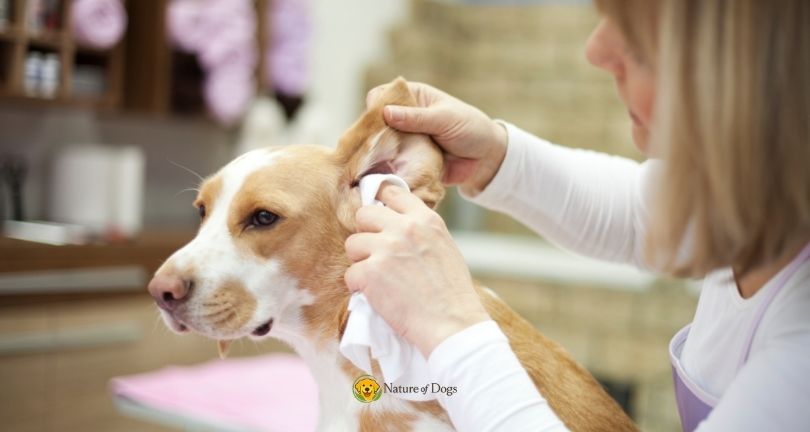
- Wrap a soft cotton ball around your index finger and wipe the visible folds of the outer ear flap. The cotton lifts away dislodged debris and dark fluid.
- Take a dry cotton ball and pat the ear entrance dry until no standing liquid remains on the skin. The surface appears matte and moisture-free.
- Hand your dog a small treat immediately to reward calm behavior before repeating these exact actions on the other ear.
How to know it worked
The ear leather looks clean and shows a pale, healthy pink color across the inner folds. The cotton ball comes away white or very light tan after a final wipe, with zero dark brown clumps remaining. Massaging no longer creates a squelching sound. If the cotton is still dirty, rinse the ear again. For ongoing inflammation questions, veterinary advice from UC Davis outlines when redness indicates an active infection rather than simple dirt.
If something goes wrong
| What happened | Why | What to do |
|---|---|---|
| Dog yelps loudly during massage | Canal skin is inflamed or ulcerated | Stop cleaning immediately and call your vet |
| Fluid won’t drain out | Canal opening is swollen shut | Dry outer flap and seek medical care |
| Dog tilts head constantly afterward | Cleaner trapped deep near eardrum | Keep pet calm and contact your clinic |
| Severe redness appears on flap | Allergic reaction to cleanser ingredients | Rinse with plain saline and discontinue use |
| Cotton ball shows fresh blood | Scratched ear wall or ruptured vessel | Apply gentle pressure with gauze pad |
How often to do this
Clean ears regularly to maintain canals without stripping oils. Two primary factors change this schedule: ear anatomy and swimming habits. Clean long ears more frequently than upright ears. Dogs that swim need cleaning after water play to prevent moisture buildup. Overcleaning causes irritation; undercleaning allows debris buildup.
Frequently asked questions
Can I clean my dog’s ears with water?
No, plain water doesn’t break down waxy ear secretions and leaves trapped moisture deep inside the canal. Lingering wetness creates a breeding ground for bacterial and yeast growth. Dog ear cleansers contain special drying agents that evaporate quickly after lifting dirt, which prevents common canine ear infections.
Why do dogs shake their heads after ear cleaning?
Dogs shake their heads because fluid in the horizontal ear canal triggers a natural physical reflex to eject foreign liquids. This rapid motion is beneficial because it brings deep wax and excess cleaner out to the surface flap where you can safely wipe it away with a pad.
How long does it take for dog ears to dry?
Most vet-approved cleansers contain drying agents that help moisture evaporate. If your dog’s ears remain noticeably wet after 30 minutes, wipe the entrance folds again with a dry cotton ball to prevent trapped moisture.
Is it safe to use Q-tips in dog ears?
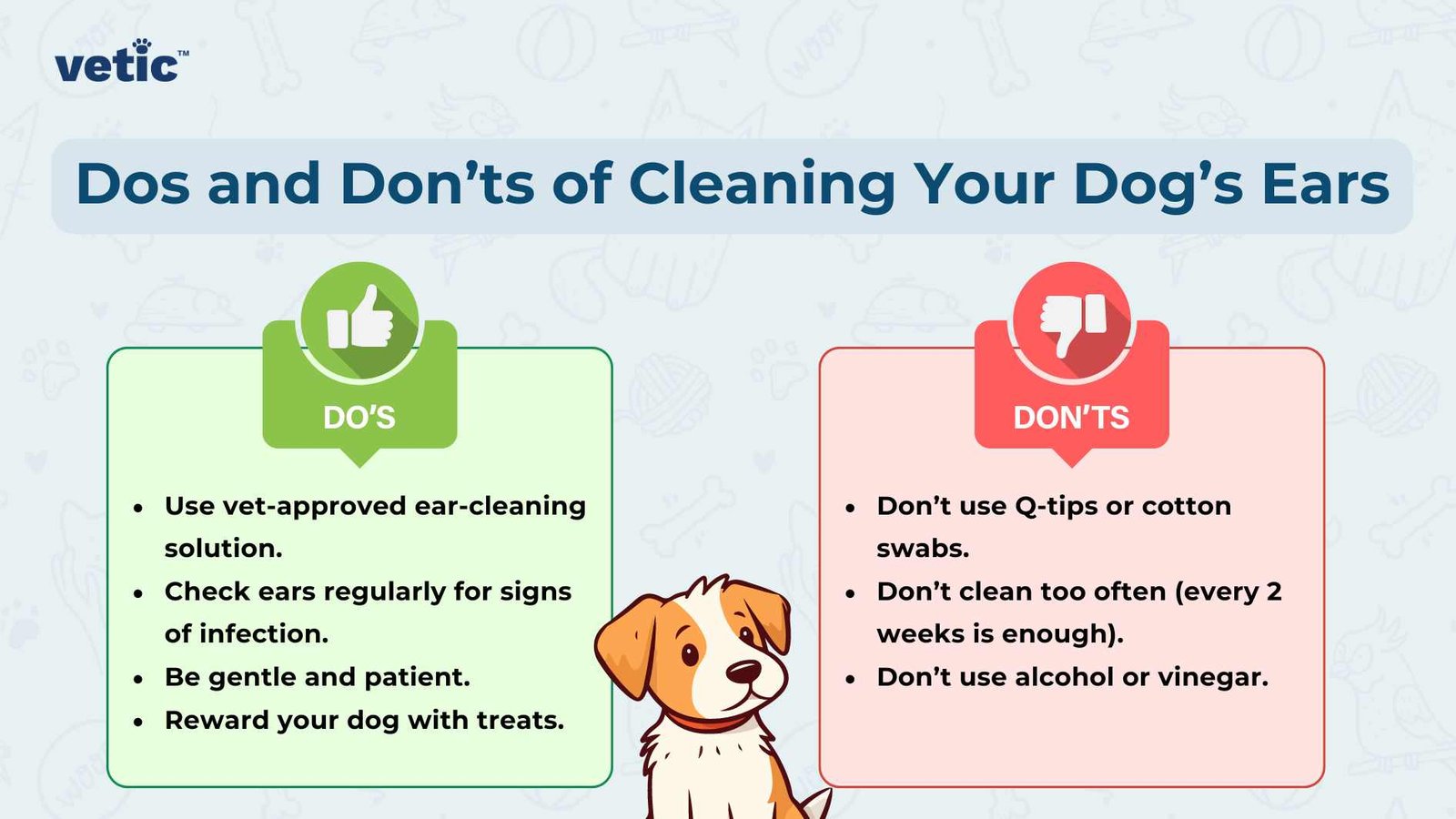
No, cotton swabs easily puncture delicate eardrums and pack wax deeper into the L-shaped ear canal. A dog’s sudden head jerk can snap the plastic stick or push the cotton tip against sensitive membranes. Use only soft cotton balls or pads wrapped around your own index finger.
What happens if I use rubbing alcohol on my dog’s ears?
Rubbing alcohol causes immediate, intense burning on delicate or inflamed ear tissue and dries out the skin barrier completely. This chemical damage leads to painful micro-tears, secondary infections, and extreme fear during future grooming sessions. Always purchase alcohol-free solutions formulated for pets.
Does apple cider vinegar work for dirty dog ears?
No, kitchen vinegar contains unbuffered acetic acid that irritates open sores and throws off the skin’s natural acidic protective layer. Homemade mixtures often carry incorrect water-to-acid ratios that burn inner skin folds. Stick to tested veterinary products designed to protect your pet’s hearing safely.
Final Thoughts
Keep a close eye on your dog’s ears over the next few days to ensure they stay clear and comfortable. If you notice any redness, a strong odor, or persistent scratching, don’t hesitate to call your vet. It’s always better to be safe when it comes to your best friend’s health.