
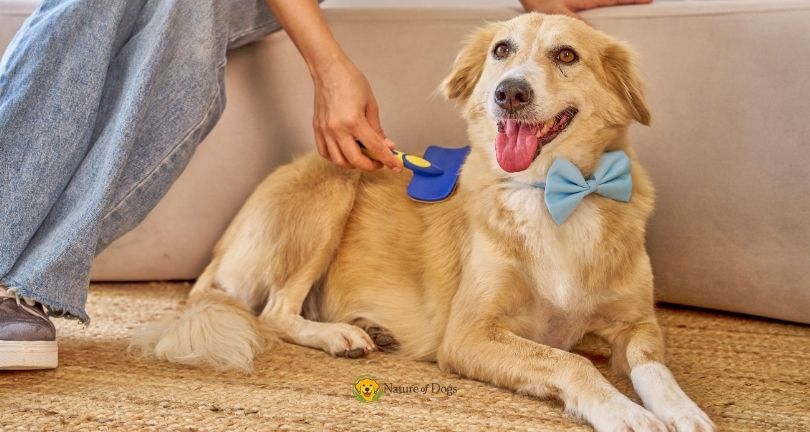
How Often Should You Brush Your Dog? A Simple Guide
Last Updated on October 4, 2026
Deciding how often you should brush your dog comes down to coat type and shedding level, requiring daily brushing for long or curly hair and once every two weeks for short, smooth coats.
How often, by how you use it
| How you use it | How often | What tells you it’s due |
|---|---|---|
| Smooth coat indoor resting | Every two weeks | Loose hairs appear on bedding |
| Short wire hair yard play | Once a week | Surface debris and dull texture |
| Medium double coat daily walks | Twice a week | Undercoat clumps show at flanks |
| Long silky coat active outdoor | Every two days | Small tangles form behind ears |
| Curly or non-shedding coat | Every single day | Hair strands weave together tightly |
| Dense undercoat heavy seasonal shed | Daily for three weeks | Puffs of hair pull out easily |
What happens if you skip it
Skipping coat care causes loose hair to gather near the base of the skin within seven to ten days. As your dog moves, friction weaves these dead hairs around the live growth. This forms tight tangles, especially behind the ears, across the chest, and where the legs rub against the belly.
After several weeks, these tangles flatten into solid mats. Air can no longer reach the skin beneath them, which traps moisture from sweat, rain, or grass. A common mistake people make is washing a matted dog to clean them, which actually tightens the knots like wet rope and requires a total shave down at great expense. The UC Davis School of Veterinary Medicine notes that poor coat ventilation and trapped dampness lead to bacterial hot spots, foul odors, and severe sores. If mats sit against the tissue for months, they can cause skin irritation, harbor fleas or ticks, and restrict movement.
The signs it’s overdue
- A fine comb catches or stops before reaching the skin surface, which means tangles are already forming underneath.
- Stray hairs cover your clothes or furniture within a few hours of sweeping, showing excess dead coat is trapped.
- The fur feels rough, greasy, or sticky to the touch instead of slick, which happens when natural oils build up unevenly.
- Your dog scratches repeatedly at the collar line or armpits, signaling pulled skin or trapped dirt.
- You spot felted clumps forming behind the ears or around the rear legs, which marks early matting.
- The coat looks dull and parted in heavy layers, meaning dead undercoat is pushing the guard hairs open.
What it takes each time
Brushing takes five minutes for a smooth coat and twenty to thirty minutes for a thick, curly, or double-coated dog. You don’t need expensive supplies—a basic slicker brush and a metal comb do the entire job. Short-haired dogs only need a rubber grooming mitt to pull loose fur away. This routine isn’t for owners who want a completely zero-maintenance pet, because neglecting it guarantees a costly groomer visit later. A major trade-off is spending thirty minutes every few days versus paying for a complete medical shave once the fur felts together.
How to go longer between times
- Wipe down your dog’s belly and paws with a damp cloth after wet walks to stop dirt from tangling hairs.
- Run a wide-tooth metal comb through high-friction spots behind the ears and armpits every two days to stop small knots early.
- Dry your dog’s coat thoroughly with a towel whenever they come inside from the rain, because trapped moisture binds loose hair fast.
- Separate the coat by hand down to the skin once a week to spot hidden knots before they turn into felted mats.
Frequently asked questions
Can you brush your dog too much?
Yes, you can brush a dog too much if you press hard tools directly against their skin. Using a wire slicker brush on the same spot repeatedly scratches the skin surface, causing brush burn, redness, and bald patches. Keep your strokes light and stop once the tool glides freely.
Why does my dog hate being brushed?
Your dog hates brushing because metal teeth pull on skin or snag hidden tangles without warning. Dogs remember past pinches around sensitive armpits, paws, and ears. If your dog growls, switch to a soft rubber curry mitt and offer high-value treats to rebuild their comfort slowly.
How long does a normal brushing session take?
About fifteen minutes works well for an average medium-sized dog with a standard double coat. Smooth breeds take only five minutes to wipe down and deshed. Thick or curly coats require thirty minutes, as you must work through small sections from the skin outward across the entire body.
Is it safe to brush a wet dog?
No, it’s not safe to brush a wet dog’s coat if they have long or curly hair. Water tightens existing knots and makes hair strands weaker, causing painful pulling and breakage. Let your dog dry completely, or use a high-velocity pet dryer, before running brushes through the fur.
What happens if you never brush a dog?
The coat eventually twists into a continuous hard shell of matted hair across the body. This tight shell pulls the skin, restricts normal movement, and hides open bacterial sores underneath. A vet or professional groomer must then shave the entire coat off with surgical clipper blades.
Does brushing help with house shedding?
Yes, running a slicker brush through the coat removes loose hairs before they drop onto your furniture. Regular comb work catches the dead undercoat right at the skin level. It won’t stop shedding completely, but it gathers the mess in one place so you can throw it away.
What to do next
Run a metal comb through your dog’s fur down to the skin behind their ears and along their back legs right now. The comb should glide smoothly from the skin to the tips of the hair without catching or pulling. If the comb stops against hard, felted knots that don’t budge with gentle finger picking, stop immediately and call a professional groomer to avoid cutting the skin.