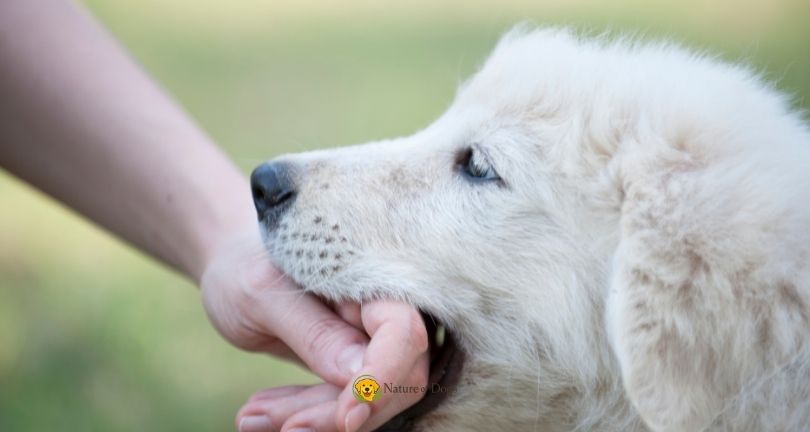
How to Stop a Puppy From Biting Hands and Feet: Easy Training Tips
Last Updated on October 4, 2026
Puppy biting is one of the most common challenges new dog owners face. One moment your puppy is cute and playful, and the next they are biting your fingers, chasing your feet, grabbing your pants, or using your hands like chew toys.
If you are wondering how to stop a puppy from biting hands and feet, the first thing to know is that this behavior is usually normal. Puppies explore the world with their mouths. They bite during play, teething, excitement, and learning. However, even normal puppy biting needs to be guided properly so it does not become a long-term habit.
The goal is not to scare or punish your puppy. The goal is to teach them that human skin is not for biting and that toys, chews, and calm play are better choices.
In this guide, you’ll learn why puppies bite hands and feet, how to stop the behavior step by step, what to do during biting episodes, and which mistakes can make puppy biting worse.
Why Do Puppies Bite Hands and Feet?
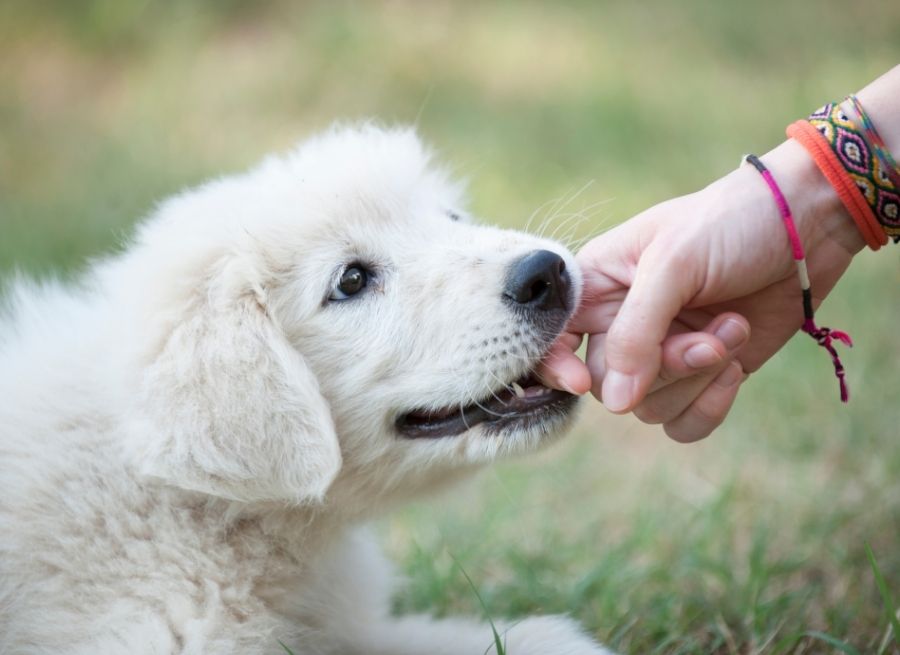
Puppies bite hands and feet because they are playing, teething, exploring, seeking attention, or becoming overstimulated. Biting is a natural puppy behavior, but puppies need training to learn what is acceptable.
Young puppies do not automatically understand that human skin is sensitive. When puppies play with their littermates, they bite, wrestle, chase, and mouth each other. If one puppy bites too hard, the other puppy may yelp and stop playing. This helps puppies learn bite control.
When your puppy comes into your home, you become part of their social world. Your moving hands, wiggling fingers, socks, slippers, and walking feet can all look exciting to a playful puppy.
Common reasons puppies bite include:
- Teething discomfort
- Playfulness
- Curiosity
- Excitement
- Overstimulation
- Tiredness
- Attention-seeking
- Lack of appropriate chew toys
- Herding or chase instincts
- Not yet learning bite inhibition
Puppy biting is normal, but it should be managed early with consistent training.
Read More – How to Potty Train a Puppy in an Apartment: Step-by-Step Guide
Is Puppy Biting Normal?
Yes, puppy biting is normal, especially between 8 weeks and 6 months of age. During this time, puppies are learning how to use their mouths, developing social skills, and going through teething.
Most puppies bite more when they are:
- Excited
- Tired
- Hungry
- Overstimulated
- Playing roughly
- Teething
- Seeking attention
- Not getting enough naps
- Not getting enough mental stimulation
Although puppy biting is normal, you should not ignore it completely. If your puppy learns that biting hands and feet leads to attention, play, or movement, the habit may continue.
How to Stop a Puppy From Biting Hands and Feet
To stop a puppy from biting hands and feet, redirect them to toys, reward gentle behavior, stop play when biting gets too rough, provide enough chew outlets, and avoid rough hand play. Consistency is the key.
Your puppy needs to learn two main lessons:
- Biting human skin makes fun stop.
- Biting toys and chews brings rewards and play.
Here are the most effective steps.
1. Redirect Your Puppy to a Toy
Redirection is one of the best ways to stop puppy biting. Instead of letting your puppy bite your hands, immediately offer an appropriate toy.
Keep toys nearby in the rooms where your puppy spends time. When your puppy starts biting, place the toy between your hand and their mouth.
Good redirection toys include:
- Rope toys
- Soft puppy toys
- Rubber chew toys
- Teething toys
- Tug toys
- Puppy-safe bones
- Crinkle toys
- Treat-dispensing toys
When your puppy bites the toy instead of your hand, praise them. This teaches your puppy what they should bite.
For example, if your puppy grabs your fingers, calmly say “toy” and offer a chew toy. When they take it, say “good!” and continue playing.
Read More – How Much Should I Feed My Puppy by Age? Puppy Feeding Guide
2. Stop Moving Your Hands and Feet
Fast movement makes biting more exciting. If your puppy is chasing your feet or grabbing your hands, try not to wave your arms, kick your feet, or pull away quickly.
To a puppy, moving hands and feet can look like prey or a game. The more you react, the more exciting the biting becomes.
Instead:
- Freeze your hands.
- Stop walking if your puppy attacks your feet.
- Stay calm.
- Avoid squealing dramatically.
- Slowly offer a toy.
- Resume movement only when your puppy stops biting.
This helps your puppy learn that biting does not make the game more fun.
3. Teach Bite Inhibition
Bite inhibition means your puppy learns to control the force of their mouth. This is an important skill because even friendly dogs may use their mouth during play or stress.
If your puppy bites too hard, you can calmly mark the behavior with a short sound like “ouch” or “too bad”, then stop interacting for a moment.
The process:
- Your puppy bites too hard.
- Say “ouch” in a calm but clear voice.
- Remove your attention.
- Pause play for 10–20 seconds.
- Offer a toy and resume calmly.
Do not scream loudly or act overly dramatic. Some puppies become more excited by loud reactions.
The goal is to show your puppy that hard biting makes attention disappear.
4. Use Short Time-Outs
If your puppy keeps biting after redirection, use a brief time-out. A time-out should be calm and short, not scary.
You can either:
- Step over a baby gate.
- Leave the room briefly.
- Turn away and ignore your puppy.
- Place your puppy in a safe playpen for a short reset.
A time-out usually only needs to last 30 seconds to 2 minutes. Once your puppy is calmer, return and offer a toy or simple training activity.
Time-outs are helpful because they teach:
- Biting ends play.
- Calm behavior brings attention back.
- Overexcited behavior needs a reset.
Do not use a crate for punishment if you want your puppy to see the crate as a safe resting place.
5. Reward Gentle Mouth Behavior
Many owners only react when their puppy bites too hard, but it is just as important to reward calm and gentle behavior.
Praise your puppy when they:
- Lick instead of bite
- Take treats gently
- Play with toys instead of hands
- Sit calmly near your feet
- Chew their own toy
- Stop biting when redirected
- Relax after excitement
You can say “gentle” when your puppy uses a soft mouth. Over time, they can learn that gentle behavior gets attention and rewards.
6. Avoid Rough Hand Play
If you wrestle with your puppy using your hands, your puppy may think hands are toys. This can make biting worse.
Avoid games where your puppy is encouraged to chase, bite, or grab your fingers.
Instead, play with toys that create distance between your puppy’s mouth and your skin, such as:
- Tug ropes
- Flirt poles
- Fetch toys
- Long plush toys
- Balls
- Treat puzzles
Tug can be a great game if you teach rules. If teeth touch skin, the game pauses. If your puppy bites the toy, the game continues.
7. Give Your Puppy Enough Chew Toys
Puppies need to chew, especially during teething. If your puppy does not have enough appropriate chew options, they may choose your hands, feet, furniture, or clothing.
Offer a variety of textures:
- Soft rubber
- Firm rubber
- Rope
- Plush
- Frozen puppy-safe chews
- Dental puppy chews
- Food-stuffed toys
Rotate toys every few days to keep them interesting.
For teething puppies, try chilled or frozen options. A frozen wet washcloth can help soothe sore gums, but supervise your puppy to make sure they do not tear and swallow pieces.
Read More – Can Dogs Eat Apples With Skin On? Safety, Benefits, and Tips
8. Make Sure Your Puppy Gets Enough Sleep
Overtired puppies often bite more. Many puppies become wild, jumpy, and mouthy when they need a nap.
Young puppies may need 16 to 20 hours of sleep per day. If your puppy has been awake for a long time and suddenly starts biting everything, they may be tired rather than naughty.
Signs your puppy may need a nap include:
- Sudden intense biting
- Zoomies
- Barking
- Ignoring commands
- Jumping
- Chewing clothes
- Becoming restless
- Unable to settle
Use a crate, playpen, or quiet puppy-safe area for nap time. A well-rested puppy is often easier to train.
9. Provide Mental and Physical Exercise
Puppies need exercise, but they also need mental stimulation. A bored puppy may bite because they are looking for something fun to do.
Helpful activities include:
- Short training sessions
- Snuffle mats
- Puzzle feeders
- Gentle fetch
- Tug with rules
- Scent games
- Puppy-safe walks
- Socialization outings
- Food-stuffed toys
Keep exercise age-appropriate. Puppies should not be forced into long, intense exercise because their joints are still developing.
Short, positive activities throughout the day work better than one long exhausting session.
10. Teach Simple Commands
Basic training can help interrupt biting and redirect your puppy’s energy.
Useful commands include:
- Sit
- Down
- Leave it
- Drop it
- Touch
- Place
- Gentle
- Look at me
For example, if your puppy starts biting your feet, stop moving and ask for “sit.” When your puppy sits, reward them. This gives them a better behavior to perform instead of biting.
Training should be fun, short, and reward-based.
How to Stop a Puppy From Biting Feet While Walking
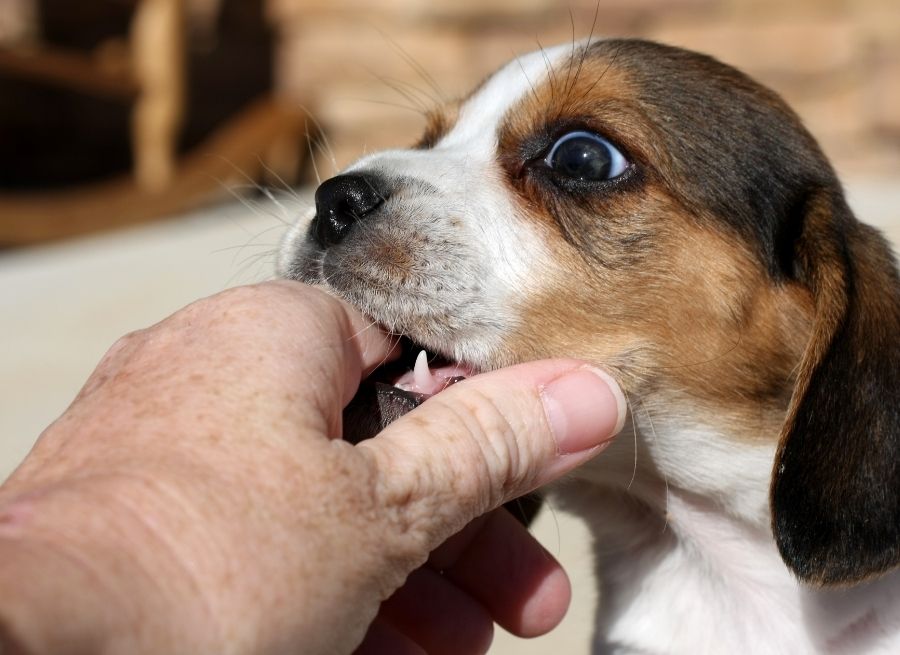
Many puppies love attacking moving feet, socks, slippers, or pant legs. This is especially common in playful puppies and herding breeds.
To stop foot biting:
- Stop walking immediately.
- Stay still and avoid kicking your feet.
- Calmly redirect with a toy.
- Reward your puppy when they bite the toy.
- Resume walking only when they stop biting.
- Repeat consistently.
If your puppy bites your feet every time you walk, carry a toy with you. Dragging a tug toy beside you can give your puppy something appropriate to chase.
Avoid yelling or running away. That can turn foot biting into an exciting chase game.
How to Stop a Puppy From Biting Hands During Petting
Some puppies bite hands when you try to pet them. This may happen because they are excited, uncomfortable, or think petting means playtime.
Try these tips:
- Pet your puppy when they are calm.
- Keep petting sessions short.
- Avoid fast hand movements around the face.
- Offer a chew toy while petting.
- Reward calm behavior.
- Stop petting if biting starts.
- Resume when your puppy is calm again.
Some puppies do not enjoy long petting sessions yet. They may need to learn that gentle touch is relaxing.
What Not to Do When Your Puppy Bites
Some reactions can make puppy biting worse or damage your puppy’s trust.
Avoid:
- Hitting your puppy
- Holding their mouth shut
- Yelling loudly
- Pinning them down
- Alpha rolling
- Spraying them with water
- Shaking them
- Forcing your hand into their mouth
- Rough wrestling with hands
- Encouraging biting sometimes and punishing it other times
Punishment may make your puppy fearful, defensive, or more excited. It also does not teach them what to do instead.
Use calm, consistent training instead.
When Do Puppies Stop Biting?
Most puppies improve significantly after teething, usually around 5 to 6 months of age. However, the exact timeline depends on training, breed, personality, and consistency.
Puppy biting often decreases when:
- Adult teeth come in
- The puppy learns bite inhibition
- Owners stop rewarding biting
- Appropriate toys are provided
- The puppy gets enough rest
- Training becomes consistent
Some puppies, especially high-energy or herding breeds, may need extra guidance for longer.
Is Puppy Biting Aggression?
Most puppy biting is not aggression. It is usually normal play, teething, or overstimulation.
Normal puppy biting often includes:
- Play bows
- Wagging tail
- Bouncy movement
- Loose body language
- Excited behavior
- Biting during play
- Chasing feet or hands
Possible warning signs include:
- Stiff body posture
- Deep growling with tension
- Snapping when touched
- Guarding food or toys
- Biting that breaks skin repeatedly
- Lunging aggressively
- Fearful or defensive behavior
- Biting when approached or handled
If you are concerned about aggression, contact a certified dog trainer, veterinary behaviorist, or veterinarian. Early help is best.
What If Puppy Biting Breaks Skin?
Puppy teeth are sharp, so even normal biting can break skin. Wash any bite wound with soap and water and monitor it for signs of infection.
If your puppy frequently bites hard enough to cause bleeding, take the behavior seriously. You may need to improve bite inhibition training, reduce overstimulation, and seek help from a professional trainer.
Also, make sure children are supervised around the puppy. Kids often move quickly and make high-pitched sounds, which can excite puppies and increase biting.
How to Manage Puppy Biting With Children
Puppies and children can be a wonderful match, but they need supervision. Children may accidentally encourage biting by running, squealing, waving hands, or pulling toys away.
Teach children to:
- Stand still if the puppy bites feet
- Avoid rough wrestling
- Use toys instead of hands
- Stop play when biting starts
- Keep fingers away from the puppy’s mouth
- Avoid teasing with toys
- Let the puppy nap
- Call an adult for help
Use baby gates, playpens, and leashes indoors when needed. Management prevents bad habits and keeps everyone safe.
Best Toys for Puppies That Bite Hands and Feet
The right toys can make training much easier. Choose toys that are safe, durable, and suitable for your puppy’s size.
Good toy options include:
- Long tug ropes
- Puppy teething rings
- Soft rubber chew toys
- Stuffed puppy toys
- Food-stuffed rubber toys
- Puppy-safe dental chews
- Flirt poles for controlled chase
- Crinkle toys
- Frozen chew toys
Avoid toys that are too hard, too small, or easy to swallow. If a toy is damaged, replace it.
Sample Daily Routine to Reduce Puppy Biting
A good routine can reduce biting by balancing sleep, training, chewing, and play.
Example routine:
- Morning potty break
- Breakfast in a puzzle feeder
- Short training session
- Supervised play with toys
- Nap time
- Potty break
- Gentle walk or socialization
- Chew toy time
- Nap time
- Short play session
- Dinner
- Calm training
- Final potty break
- Bedtime
Puppies often bite more when their day is too chaotic or when they do not get enough rest.
FAQs About Puppy Biting Hands and Feet
Why does my puppy bite my hands so much?
Your puppy bites your hands because they are playing, teething, exploring, or seeking attention. Hands move a lot, which makes them exciting. Redirect your puppy to toys and stop play when teeth touch skin.
Why does my puppy bite my feet when I walk?
Moving feet can trigger chase and play instincts. Some puppies also bite feet because they are excited or overstimulated. Stop walking, stay calm, and redirect your puppy to a toy.
At what age do puppies stop biting?
Many puppies bite less after teething, around 5 to 6 months old. However, training and consistency are important. Some puppies need longer to learn gentle mouth behavior.
Should I yell when my puppy bites me?
No, yelling can scare some puppies and excite others. A calm “ouch,” followed by pausing play or redirecting to a toy, is usually more effective.
How do I teach my puppy not to bite hard?
Teach bite inhibition by stopping play when your puppy bites too hard. Say a calm marker like “ouch,” remove attention briefly, then resume with a toy when your puppy is calmer.
Is it okay to let my puppy chew on my fingers gently?
It is better not to allow your puppy to chew on your fingers. Even gentle chewing can become confusing. Teach your puppy that toys are for chewing, not human skin.
Why does my puppy bite more at night?
Puppies often bite more at night because they are tired, overstimulated, or have built-up energy. A calm routine, evening potty break, chew toy, and nap schedule can help.
What should I do if my puppy bites and won’t let go?
Stay calm and avoid pulling hard, which can make the game more exciting. Offer a toy or treat to encourage release, then pause play. Teach “drop it” during calm training sessions.
Can teething make puppy biting worse?
Yes, teething can increase biting because your puppy’s gums may feel sore. Offer safe chew toys, chilled teething toys, or a frozen wet washcloth under supervision.
When should I get professional help for puppy biting?
Get help if your puppy bites aggressively, breaks skin often, growls stiffly, guards resources, snaps when handled, or seems fearful. A certified trainer or veterinarian can help identify the cause and create a safe plan.
Conclusion
Puppy biting is normal, but it still needs training. Puppies bite hands and feet because they are playing, teething, exploring, excited, or overstimulated. With patience and consistency, your puppy can learn that human skin is not for biting.
The best way to stop puppy biting is to redirect your puppy to toys, reward gentle behavior, pause play when biting gets too rough, and avoid rough hand games. Make sure your puppy gets enough sleep, chew time, exercise, and mental stimulation.
Do not punish your puppy for biting. Instead, calmly teach them what to do instead. If biting is intense, aggressive, or breaking skin often, seek help from a professional.
With the right approach, your puppy will gradually learn better manners and grow into a calmer, more gentle companion.