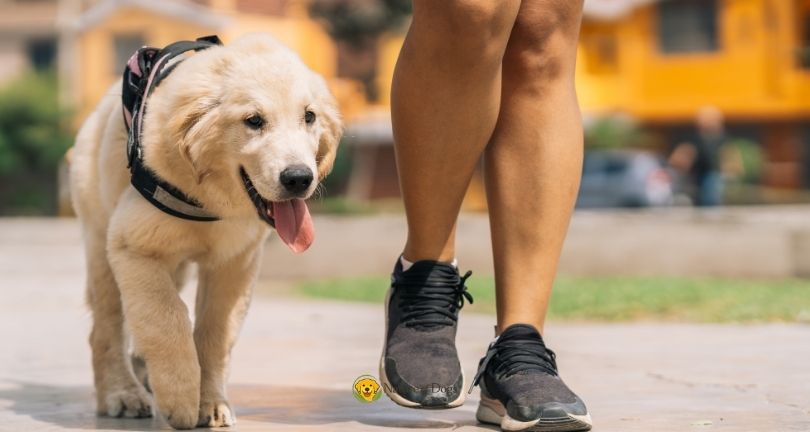
How to Teach a Dog to Walk Without Pulling
Last Updated on October 4, 2026
Does your dog turn every walk into a tug-of-war? You’re not alone, and the good news is, you can teach your dog to walk calmly by your side without pulling.
Imagine enjoying peaceful strolls where your dog listens and stays close, making every walk a joy instead of a struggle. You’ll discover simple, effective steps that anyone can follow to stop pulling for good. Ready to transform your daily walks and strengthen the bond with your furry friend?
Keep reading—your stress-free walks start here.
Choosing The Right Equipment

Choosing the right equipment plays a big role in teaching a dog to walk without pulling. The right tools make walks safer and more comfortable. They also help dogs learn good walking habits faster. Picking the best collar, harness, and leash depends on your dog’s size, strength, and behavior. Understanding the differences can save you time and frustration during training.
Collars Vs Harnesses
Collars fit around a dog’s neck. They are simple and easy to use. Some collars have a flat design, while others are choke or prong collars. Flat collars are best for small or calm dogs. Choke and prong collars can cause discomfort and harm. Avoid using harsh collars for training.
Harnesses wrap around the dog’s body, not just the neck. They spread pressure evenly across the chest and shoulders. Harnesses reduce strain on the neck and throat. They work well for dogs that pull a lot. Front-clip harnesses help redirect pulling by turning the dog towards you. Back-clip harnesses are easier to put on but offer less control.
Leash Types And Lengths
Leashes come in many types and lengths. A short leash, about 4 to 6 feet, gives more control. It keeps your dog close and focused. Long leashes allow more freedom but less control, not ideal for training.
Standard flat leashes are common and easy to use. They are strong and durable. Retractable leashes let dogs roam farther. They can encourage pulling and are harder to control. Training leashes or slip leads help correct pulling quickly. Choose a leash that feels comfortable and safe for both you and your dog.
Read More – How to Crate Train a Puppy at Night
Preparing Your Dog For Walks
Preparing your dog for walks is the first step to enjoying peaceful strolls together. It helps your dog understand what to expect. This preparation reduces pulling and makes walking safer and more fun.
Start by building basic skills and clear rules. This foundation shapes good walking behavior. Your dog learns to follow your lead and stay calm on the leash.
Basic Obedience Skills
Teach simple commands like “sit,” “stay,” and “heel.” These skills give your dog control and focus. Practice indoors first, then try outside in quiet places. Reward your dog with treats and praise for obeying. This builds trust and encourages good habits. Basic obedience helps your dog listen better on walks.
Setting Clear Expectations
Decide how you want your dog to behave on walks. Should the dog stay by your side or walk calmly ahead? Use consistent rules every time you walk. Your dog learns faster when rules never change. Use a short leash to keep control and guide your dog. Be patient and calm. Clear expectations reduce confusion and pulling.
Techniques To Prevent Pulling

Teaching a dog to walk without pulling takes patience and practice. Using simple techniques helps your dog learn good behavior on the leash. These methods build trust and make walks more enjoyable for both of you. Try each technique step by step and stay consistent.
Loose Leash Walking
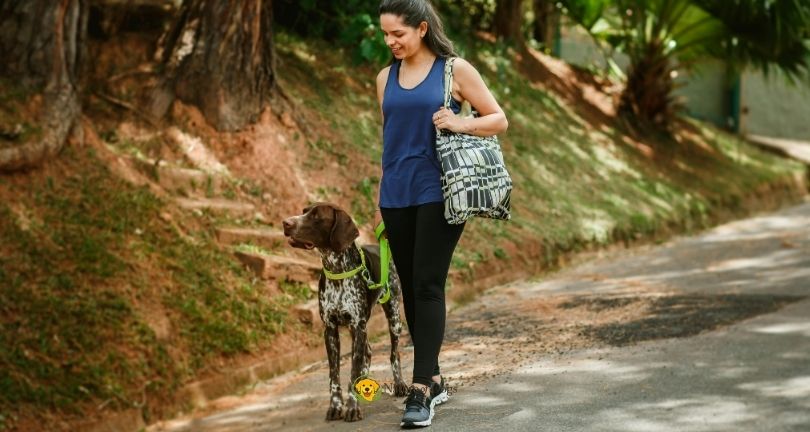
Loose leash walking means keeping the leash slack while walking. Do not let your dog pull ahead. Hold the leash with gentle tension. Stop walking if the leash becomes tight. Wait for your dog to come back or relax. Praise your dog when the leash is loose. This teaches your dog that pulling stops the walk.
The Stop-and-go Method
With this method, stop walking as soon as your dog pulls. Stand still and do not move. Wait for your dog to stop pulling and return to your side. Once the leash is loose, start walking again. Repeat this every time your dog pulls. This shows your dog that pulling delays the walk. It encourages your dog to stay close.
Changing Directions
Change direction suddenly when your dog starts to pull. Walk the opposite way or take a sharp turn. This surprises your dog and stops the pull. Your dog learns to watch your movements closely. Practice this often to keep your dog focused on you. It helps your dog follow your lead without pulling.
Read More – How to Make a Dog Crate More Comfortable
Using Positive Reinforcement
Using positive reinforcement helps your dog learn good walking habits. It makes walks fun and encourages your dog to stay close. This method uses rewards to teach your dog not to pull on the leash. Rewards can be treats, praise, or a favorite toy. Positive reinforcement builds trust and strengthens your bond.
Treats And Praise
Treats are a strong motivator for dogs. Choose small, tasty treats your dog loves. Give a treat each time your dog walks beside you. Use a happy voice to praise your dog as well. Saying “good job” or “yes” helps your dog understand the behavior is right. Combine treats and praise for best results. This shows your dog that walking nicely is a good thing.
Timing Rewards Effectively
Give rewards right after your dog walks without pulling. Quick rewards help your dog connect the action to the reward. If you wait too long, your dog may get confused. Watch your dog closely to catch the right moment. Reward often at the start of training. Gradually, give treats less but keep praising. This keeps your dog motivated to walk calmly.
Handling Common Challenges
Teaching a dog to walk without pulling can be tough. Many dog owners face common challenges that slow progress. Knowing how to handle these problems helps keep training on track. Stay calm and patient. Small steps lead to big results.
Dealing With Distractions
Distractions make dogs pull on the leash. Other dogs, noises, or smells catch their attention. Start training in quiet places. Gradually add more distractions as your dog improves. Use treats to keep focus. Reward your dog for walking calmly. Stop and wait if your dog pulls. This shows pulling does not work.
Managing Excited Or Anxious Dogs
Excited dogs pull to explore or greet others. Anxious dogs pull out of fear or stress. Stay calm and use a gentle voice. Let your dog sniff and explore briefly. Give clear commands like “heel” or “slow.” Take breaks if your dog gets too excited or scared. Use short walks to build confidence. Practice regularly to reduce pulling behavior.
Consistency And Patience
Teaching a dog to walk without pulling needs both consistency and patience. These qualities help your dog learn good habits over time. Regular practice and calm behavior make the training easier for your pet. Dogs respond well to clear and steady guidance. Sudden changes or rushing can confuse them. Patience allows your dog to progress at its own pace. This creates a positive learning experience and stronger bond.
Setting A Training Schedule
Choose specific times daily to practice leash walking. Short sessions work best, about 10 to 15 minutes. Keep the training consistent by sticking to the same times. This builds a routine your dog expects and follows. Avoid long or tiring sessions to keep your dog focused. Use the same commands and signals every time. This helps your dog understand what you want clearly.
Tracking Progress
Note your dog’s improvements and any challenges each day. Write down how long your dog walks without pulling. Pay attention to moments your dog gets distracted or excited. Celebrate small wins to stay motivated. Tracking progress helps you see what works and what needs change. It also shows your dog’s growth over time. Keep the notes simple and review them weekly to adjust training.
When To Seek Professional Help
Training a dog to walk without pulling can be challenging. Some dogs do not respond well to basic training methods. This is the time to think about professional help. Experts have the skills to handle tough cases and improve your dog’s behavior.
Identifying Behavioral Issues
Sometimes pulling is a sign of deeper problems. Dogs may pull due to fear, anxiety, or aggression. These issues need special attention beyond simple leash training. If your dog shows signs of stress or aggression during walks, consider professional help. Trainers can spot hidden behavioral problems early. They offer tailored plans to address these issues safely.
Choosing A Trainer
Pick a trainer with experience in leash training and behavior problems. Look for certifications from recognized organizations. Trainers who use positive reinforcement methods work best. Avoid those who rely on punishment or harsh tools. A good trainer will explain their methods clearly. They will work with you and your dog step-by-step. This ensures training is effective and stress-free.
Read More – How to Care for a Dog After Spaying Or Neutering
Frequently Asked Questions
How Can I Stop My Dog From Pulling On Walks?
Use consistent leash training with positive reinforcement. Reward your dog for walking beside you. Avoid letting them pull to reach distractions. Practice short, regular sessions for better results.
What Is The Best Leash For Dogs That Pull?
A front-clip harness or head halter works best. These tools gently redirect your dog’s attention. Avoid retractable leashes as they encourage pulling. Proper equipment makes training safer and more effective.
How Long Does It Take To Teach Leash Manners?
Training duration varies by dog’s age and temperament. Most dogs learn basic leash manners in 2-4 weeks. Consistency and patience are key to success. Regular practice ensures lasting good behavior.
Why Does My Dog Pull Despite Training?
Dogs may pull due to excitement or distractions. Inconsistent training or improper equipment can cause setbacks. Reinforce good behavior consistently and remain patient. Consult a professional trainer if problems persist.
Conclusion
Teaching your dog to walk without pulling takes time and patience. Keep training sessions short and positive. Use treats and praise to encourage good behavior. Practice daily in different places for best results. Remember, consistency is key to success. Soon, walks will become calm and enjoyable for both of you.
Enjoy the bonding time with your furry friend on every stroll.