How to Crate Train a Puppy at Night
Last Updated on October 4, 2026
Getting your puppy to sleep peacefully through the night can feel like a big challenge. You want your new furry friend to be safe and comfortable, but also to learn good habits from the start.
Crate training at night is one of the best ways to achieve this. It helps your puppy feel secure, reduces accidents, and gives you both a better night’s rest. If you’ve been wondering how to make crate training work smoothly after dark, you’re in the right place.
Keep reading to discover simple, proven tips that will make nighttime crate training easier for you and your puppy.
Choosing The Right Crate

Choosing the right crate is important for crate training a puppy at night. The crate should feel safe and cozy. It should be just the right size and have a comfortable setup. This helps your puppy relax and sleep well.
Size And Comfort
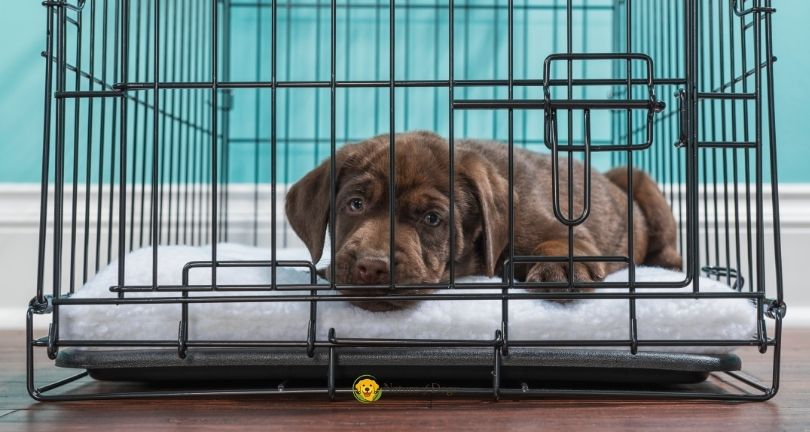
The crate should be big enough for your puppy to stand, turn, and lie down. Not too big, not too small. A crate that is too large may cause your puppy to potty inside. Soft bedding or a blanket can make the crate warm and comfy. Avoid thick padding that your puppy can chew easily.
Types Of Crates
Wire crates offer good ventilation and visibility. They are easy to clean and fold for travel. Plastic crates provide more privacy and a den-like feel. They block drafts and are quieter. Soft-sided crates are lightweight and good for calm puppies. Choose a crate type based on your puppy’s needs and your home setup.
Setting Up The Crate
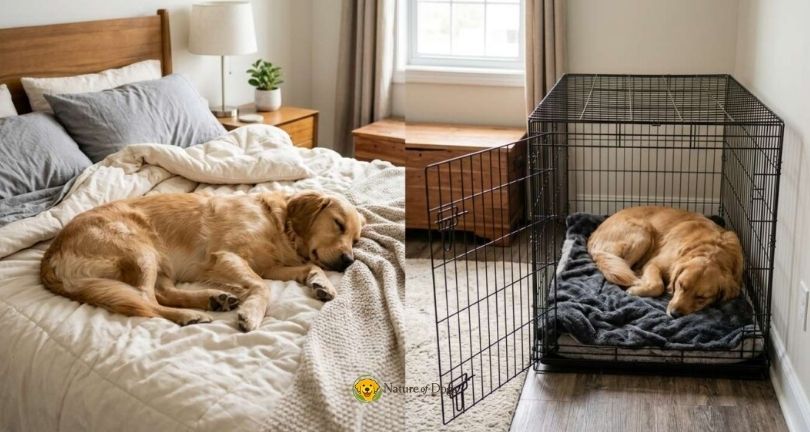
Place the crate in a quiet, warm area of your home. Avoid spots with drafts or loud noises. Put soft bedding inside for comfort. Add a favorite toy or chew to keep your puppy happy. Keep the crate door open at first to let your puppy explore it freely.
Read More – How to Make a Dog Crate More Comfortable
Preparing Your Puppy For Crate Time
Preparing your puppy for crate time sets the stage for a smooth night. The goal is to make the crate a safe and happy place. It helps your puppy feel calm and comfortable inside. Start the process before bedtime to avoid stress. This way, your puppy will accept the crate easily and enjoy staying there.
Introducing The Crate Positively
Place the crate in a quiet room where your puppy likes to rest. Keep the door open at first. Let your puppy explore the crate at their own pace. Avoid forcing or pushing your puppy inside. Use a calm voice and gentle praise. This builds trust and a positive feeling about the crate.
Using Treats And Toys
Put tasty treats or favorite toys inside the crate. This encourages your puppy to enter willingly. Give treats when your puppy goes near or inside the crate. Use soft toys or chew items to keep them busy. These rewards make the crate fun and inviting.
Short Crate Sessions During The Day
Start with short crate times during the day. Close the door for just a few minutes at first. Stay nearby and speak softly to reassure your puppy. Gradually increase the time spent in the crate. This helps your puppy get used to being alone safely.
Establishing A Nighttime Routine
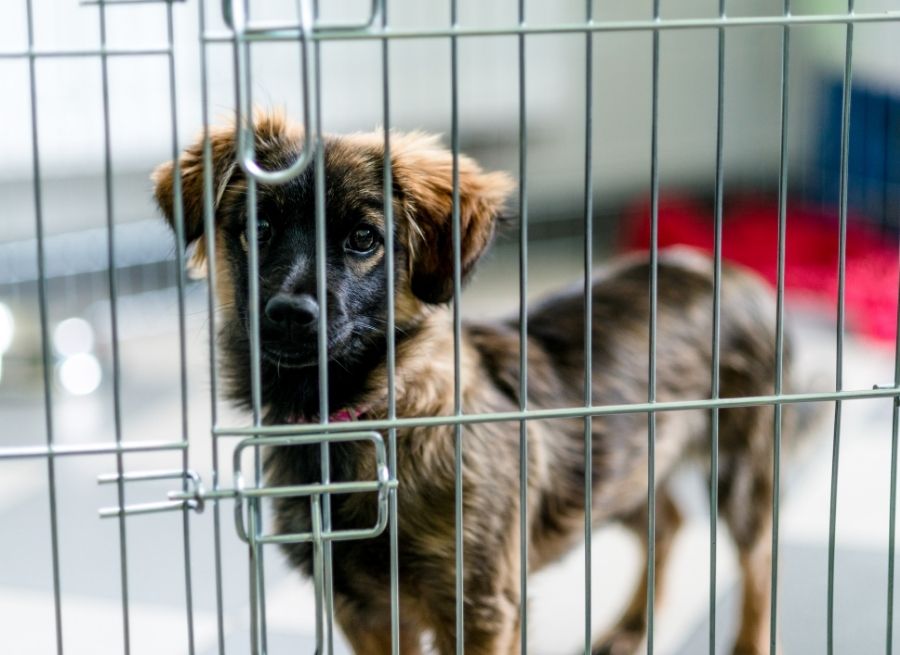
Creating a calm and clear nighttime routine helps your puppy feel safe and ready for sleep. Puppies learn best with regular schedules. A steady routine reduces stress and confusion. This makes crate training at night easier and more effective.
Consistent Bedtime Schedule
Set the same bedtime every night. Puppies thrive on routine and predictability. A regular sleep time helps their body clock adjust. It also signals when it’s time to settle down. Stick to this schedule even on weekends.
Pre-bedtime Exercise
Give your puppy some playtime before bed. This helps burn off extra energy. A tired puppy falls asleep faster and sleeps longer. Avoid rough games. Choose calm activities like gentle fetch or short walks.
Limiting Food And Water Before Bed
Stop feeding your puppy two hours before bedtime. Limit water intake one hour before sleep. This reduces the chance of needing bathroom breaks at night. A full bladder may cause discomfort and waking up.
Handling Nighttime Crate Training Challenges
Crate training a puppy at night can be tough. Puppies often cry or have accidents in their crate. Handling these challenges with patience helps your puppy feel safe and learn faster. You need clear steps to manage their behavior without stress. Here are some tips to help you handle common nighttime problems during crate training.
Dealing With Whining And Barking
Whining and barking are normal when your puppy is new to the crate. They might feel lonely or scared. Do not open the crate immediately. Wait a few minutes to see if they settle down. If you open the crate too soon, they learn to whine for attention. Speak softly to calm your puppy without opening the door. Use a calm voice to reassure them. This teaches your puppy to relax inside the crate.
Responding To Accidents
Accidents happen during nighttime crate training. Clean the crate carefully with an odor remover. Avoid using harsh chemicals that could hurt your puppy. Do not punish your puppy for accidents. Punishment can make your puppy scared of the crate. Instead, watch their signals before bedtime. Take your puppy outside to potty right before putting them in the crate. This reduces accidents and builds good habits.
When To Let Your Puppy Out
Let your puppy out only when they are calm and quiet. If they whine or bark, wait for silence. Take them outside to potty if it is the right time. Avoid letting your puppy out to play during nighttime. This helps your puppy understand the crate is for rest. Set a schedule for bathroom breaks at night. This routine helps your puppy feel secure and learn crate rules.
Read More – How to Care for a Dog After Spaying Or Neutering
Encouraging Independence And Comfort
Encouraging independence and comfort helps your puppy feel safe and relaxed in the crate. This makes night training easier and less stressful. Puppies learn to enjoy their crate as a special place. They gain confidence and calmness. Creating a positive experience will set good habits for life.
Creating A Cozy Space
Make the crate warm and inviting. Use soft blankets or a small bed for comfort. Add a favorite toy to keep your puppy happy. Place the crate in a quiet area with low light. Avoid cold floors or noisy spots. A cozy crate feels like a safe den.
Using Calming Aids
Try gentle aids to soothe your puppy. A heartbeat toy or soft music can calm nerves. Use calming sprays or diffusers with natural scents. These help reduce anxiety and promote rest. Choose aids that are safe and puppy-friendly. Keep the environment peaceful and quiet.
Gradual Increase In Crate Time
Start with short crate periods during the day. Slowly increase the time as your puppy adjusts. Let your puppy explore the crate freely at first. Avoid forcing them inside. Build trust and comfort step by step. Nighttime crate time will then feel normal and secure.
Tracking Progress And Adjusting Training
Tracking progress and adjusting training is key to successful crate training at night. Puppies learn at different speeds. Careful observation helps you understand their needs. Adjustments keep the process comfortable and effective for your puppy. This ensures a positive experience and steady progress.
Monitoring Behavior Changes
Watch your puppy’s behavior closely each night. Look for signs of stress or comfort inside the crate. Notice if they whine, bark, or stay calm. Track how long they stay settled without fuss. Keep a simple journal to note changes over time. This helps you spot patterns and improve training.
Adjusting Crate Size And Location
Make sure the crate fits your puppy well. Too big or too small can cause discomfort. Puppies grow fast; adjust crate size as needed. Move the crate to quieter or cozier spots if your puppy seems restless. Changing location might reduce anxiety and help your puppy relax.
When To Transition Out Of The Crate
Watch for signs your puppy is ready to leave the crate. They should stay calm and sleep through the night. Start by leaving the crate door open during naps. Gradually increase freedom while monitoring behavior. Transition slowly to avoid setbacks in training.
Read More – How to Keep a Dog Smelling Good Between Baths
Frequently Asked Questions
How Long Should A Puppy Stay In The Crate At Night?
A puppy should stay in the crate for about 3-4 hours at night. Gradually increase the time as they grow. Avoid leaving them too long to prevent accidents and discomfort.
When Is The Best Time To Start Crate Training At Night?
Start crate training as soon as you bring your puppy home. Early training helps them adjust quickly to sleeping in the crate. Consistency and patience are key to success.
How Can I Make The Crate Comfortable For My Puppy?
Add a soft blanket and a favorite toy inside the crate. Ensure the crate is the right size for your puppy. A cozy space encourages them to sleep peacefully.
What If My Puppy Cries In The Crate At Night?
Ignore crying initially to avoid reinforcing the behavior. Check on them briefly if needed, but avoid making it a playtime. Consistency will help your puppy adjust.
Conclusion
Crate training your puppy at night takes patience and care. Keep a calm routine to help your puppy feel safe. Give praise and treats for good behavior. Expect some accidents and stay consistent. Soon, your puppy will sleep peacefully in the crate.
This helps both you and your puppy rest well. Remember, every puppy learns at their own pace. Stay patient, and you will see great progress. Nighttime crate training builds trust and good habits. Keep trying, and enjoy the quiet nights ahead.