How to Understand Dog Body Language: A Simple Guide for Beginners
Last Updated on October 4, 2026
Understanding dog body language for beginners starts by scanning three key areas together: eyes, mouth, and tail. A relaxed pet shows soft eyes, a loose jaw, and a mid-level tail that wags with hip movement. If any part stiffens, the dog feels uneasy. Reading the whole canine frame reveals subtle stress signals that a quick glance at a wagging tail easily misses.
Understanding dog body language basics
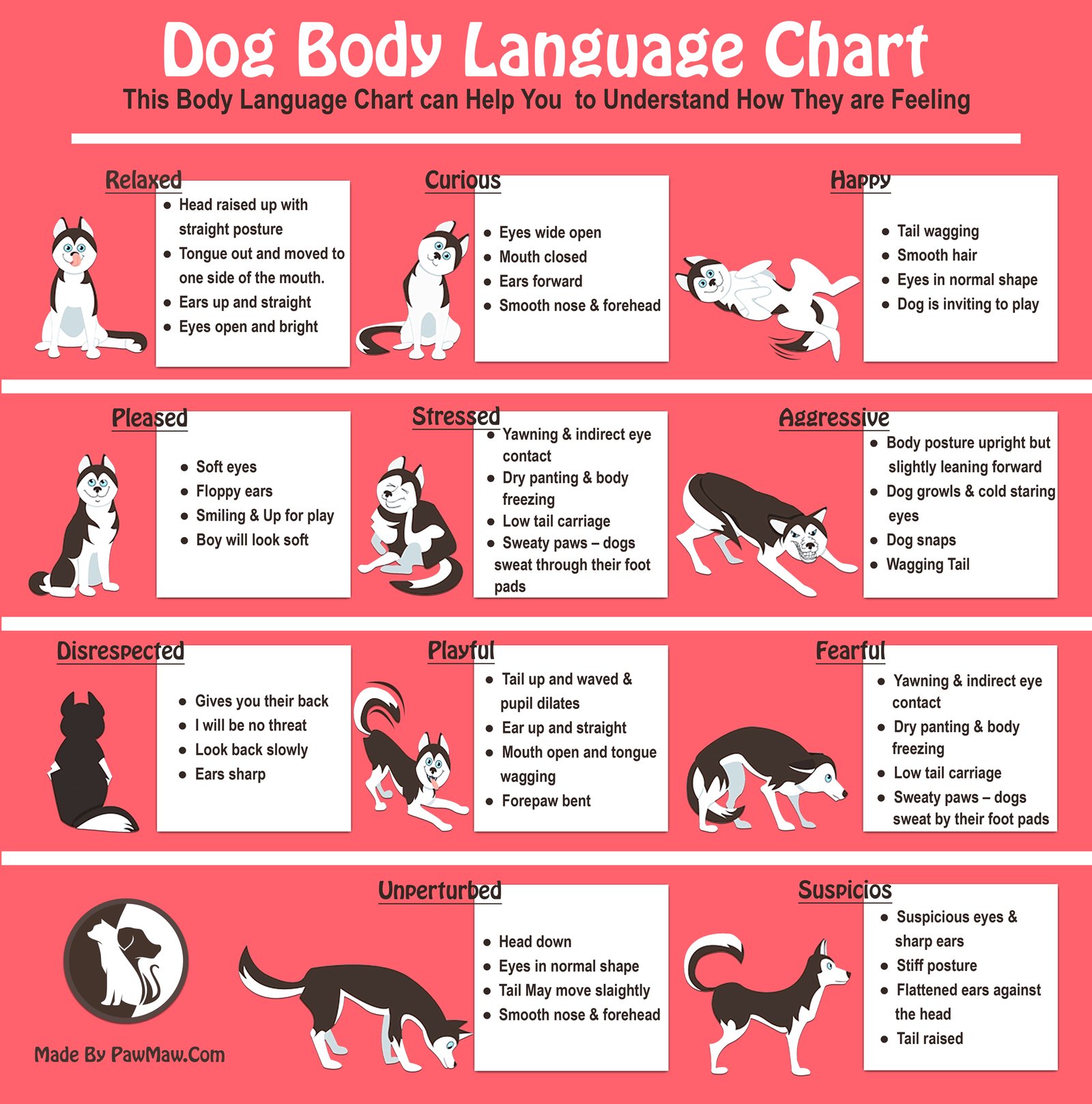
Canine body language consists of physical postures, expressions, and muscle tensions.
A wagging tail doesn’t always mean a dog is friendly. Tail movement shows nervous system stimulation, not a desire for contact.
This guide isn’t for dogs with severe aggression or a bite history. Those cases require hands-on evaluation. If an animal lunges or snaps repeatedly, step back and contact a qualified professional.
The basic method
- Check the dog’s eyes for five seconds. Look at the shape of the eyelids from at least six feet away. Soft, blinking eyes show comfort, while wide, unblinking eyes that reveal white edges signal immediate stress.
- Observe the mouth and lips. Watch the muzzle line for three seconds. A slightly open mouth with a loose, floppy tongue means relaxation. A tightly closed mouth or pulled-back lips show rising tension.
- Note the position of the ears. Compare their current angle to the dog’s resting ear shape. Forward ears show alert focus, while flat ears pressed tightly against the neck show fear or appeasement.
- Scan the spine and weight balance. Look along the back from head to hips. A neutral dog distributes weight evenly across all four paws. If weight shifts heavily over the front feet, the animal is ready to react; if it leans backward, it wants an escape.
- Inspect tail height and wag speed. Stand slightly to the side to see where the tail joins the spine. A tail held at spine level indicates neutral feelings. A stiff, high tail vibrating quickly indicates high arousal and a potential threat.
- Apply the three-second petting test. Stroke the dog on the shoulder for three seconds, then stop and take your hands away completely. If the dog nudges your hand, it invites more contact; if it turns its head or walks away, give it space.
Watch for muscle tension versus loose movement. Friendly dogs move with fluid lines, while anxious dogs look rigid. If a dog freezes, stop all interaction.
Key numbers and settings at a glance
Reading visual signals requires adjusting your distance based on the dog’s visible posture.
What separates good results from bad ones
Context over isolated parts
Focusing on one body part is a common mistake. Petting a dog based only on tail movement often leads to bites. Scan from nose to tail before moving closer. Taking thirty extra seconds to watch prevents serious handling injuries.
Reading environmental triggers
Posture depends on the setting. A high tail can show curiosity or defensive pressure depending on the context. Always check the dog’s natural baseline. Compare current posture against the dog’s breed shape.
Common problems and quick fixes
Visual signals indicate when an interaction is failing.
| What you notice | What it usually means | What to do first |
|---|---|---|
| Quick tongue flick over nose | Mild stress or discomfort | Step back two paces immediately |
| Full body freeze | High threat perception | Drop your gaze and stop moving |
| Whites of eyes show as crescent | Extreme fear or defensive state | Turn your torso sideways and give room |
| Front end down, rear end up | Invitation to play | Maintain a cheerful voice and offer a toy |
Safety boundaries and expert guidance
Canine signals follow an escalation scale called the ladder of aggression. The American Veterinary Society of Animal Behavior position statements explain that punishing early warning signs like growling or freezing removes the dog’s communication safety valve. Correcting growling teaches dogs to skip warnings and escalate to biting.
Daily practice and consistency
Check your dog’s baseline state regularly. Observe how your pet rests on its bed during quiet mornings: note the natural curve of the spine, the resting angle of the ears, and the breathing rhythm.
A dog’s baseline changes when pain or illness appears. A sudden switch from a loose, wagging tail to a low tuck during daily walks often signals joint pain or stomach distress.
When to use a different approach
Standard body language checks don’t work on dogs that have suffered severe physical trauma or neurological damage. For example, dogs with tail injuries or spinal deformities can’t produce normal tail positions. In these cases, focus entirely on facial cues, pupil dilation, and breathing rates.
Frequently asked questions
Can a dog wag its tail and still bite you?
Yes. Tail movement indicates emotional arousal rather than happiness. A dog holding its tail high and vibrating it stiffly may bite if you move into its personal space.
Why does a dog show the whites of its eyes?
This signal, called whale eye, happens when a dog turns its head away while keeping its eyes fixed on a threat. It means the animal feels trapped or frightened.
How long should you let two strange dogs sniff each other?
Limit on-leash sniffing to three seconds. If both dogs stay loose and curve their bodies, you can continue the walk; if either dog stiffens, separate them gently.
Is it safe to hug a dog around the neck?
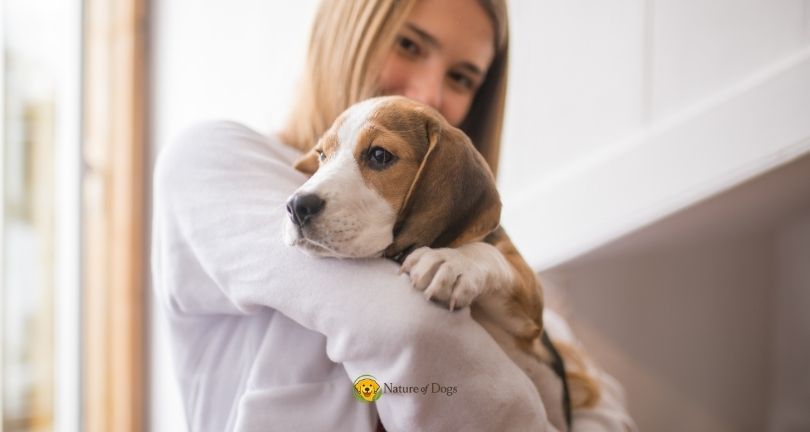
No. Dogs view neck restraint as a trap or an act of dominance. Wrapping your arms around a dog’s neck often triggers a defensive bite, especially with children.
What happens if a dog yawns when it isn’t tired?
The dog is using a displacement signal to relieve internal stress. Dogs yawn when an environment feels too loud, unpredictable, or overwhelming for them.
Why does a dog shake its fur when it’s completely dry?
This is an adrenaline reset. Dogs perform a full-body shake after a stressful event, such as a veterinary exam or an unwanted petting session, to release physical tension.
Final Thoughts
You don’t have to be an expert to build a stronger bond with your pet. Just spend a few minutes each day quietly watching how they react to different people and environments. You’ll soon find that you’re communicating more clearly, and your dog will definitely appreciate the extra effort you’re making.