Why Do Dogs Lick Your Hands and Face? The Real Reasons
Last Updated on October 4, 2026
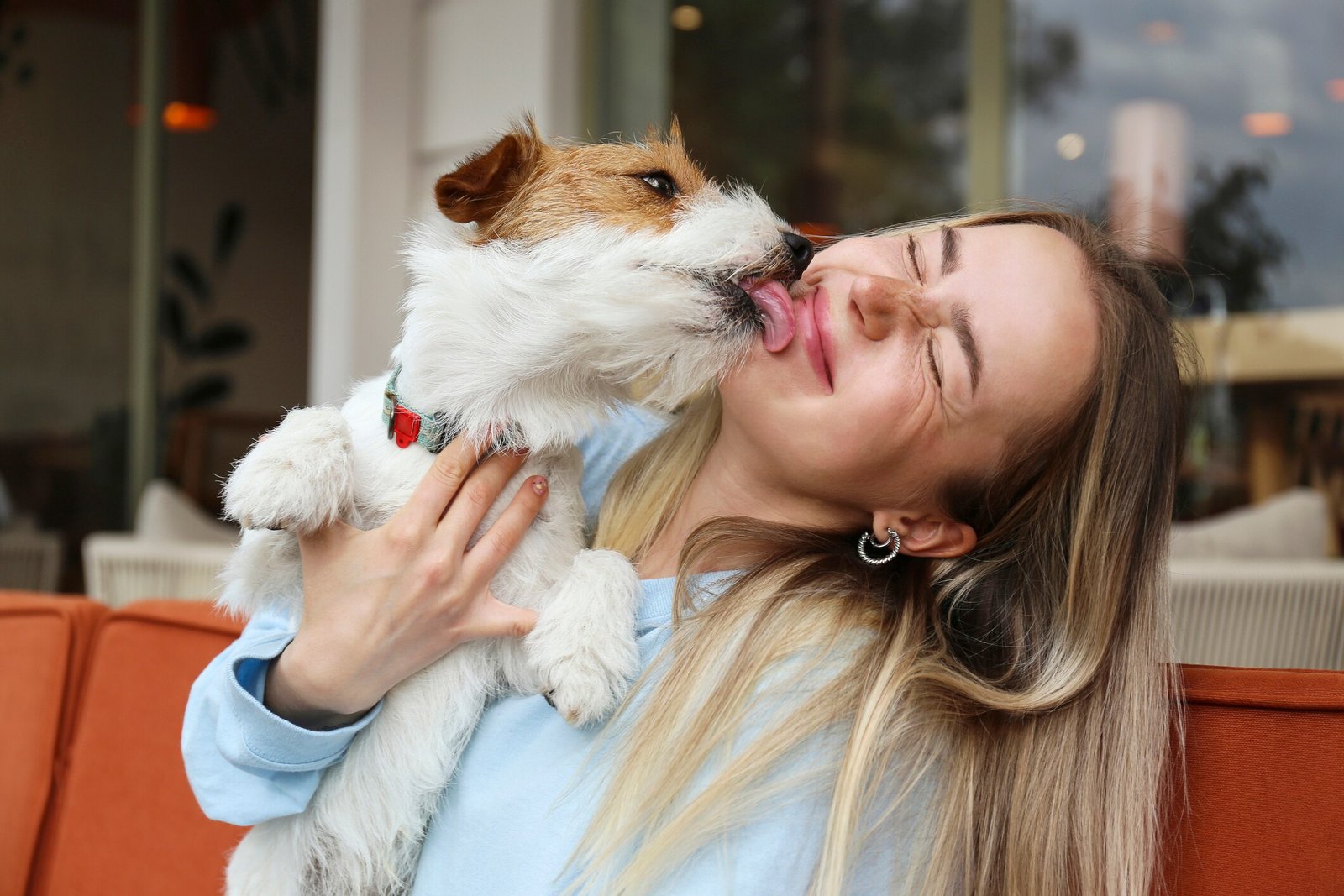
Dogs communicate affection, gather sensory clues, and show deference, which explains why dogs lick your hands and face when interacting with you.
Why dogs lick your hands and face
| Part or input | What it does | What you notice when it goes wrong |
|---|---|---|
| Jacobson’s organ | Samples chemical signals and hormones | Dog misses social cues from you |
| Tongue and papillae | Collects surface tastes and scents | Heavy drool or inflamed mouth tissue |
| Brain reward center | Releases calming neurochemicals | Compulsive licking without calming down |
| Human skin oils | Delivers salt and meal traces | Dog chases hands after every snack |
| Dog body language | Signals submission or friendly greetings | Stiff posture, growling, or whale eye |
| Vocal commands | Directs the animal to stop | Dog ignores cues due to overexcitement |
What happens, step by step
Why this matters when something goes wrong
Licking is normal communication, but sudden changes in intensity point directly to distress or illness. If a dog licks your skin with a relaxed, curved spine and loose tail wags, it signals low-stress affection; if the body stays rock-hard with pinned ears, it signals extreme anxiety. A dog that targets your face right after you return home is simply gathering sensory data about where you were. However, frantic, nonstop licking at your bare hands often indicates nausea, bodily pain, or severe stress rather than love.
Saliva also carries real medical risks for humans. According to the Centers for Disease Control and Prevention guidance on Capnocytophaga, bacteria naturally present in canine mouths can enter open cuts or mucous membranes and trigger serious infections. People actually make the mistake of letting dogs lick fresh scratches or cracked lips, which costs them painful skin infections and doctor bills. This behavior isn’t for immunocompromised people, infants, or anyone with active eczema. The trade-off is clear: allowing occasional affection builds trust, but setting boundaries protects your health. When licking turns into a frantic loop that lasts for hours, stop treating it as a training issue and contact a licensed veterinary behaviorist.
What you can change, and what you cannot
What you can control
- Wash food grease and salty sweat off your skin to lower temptation.
- Cross your arms and turn away for 10 seconds to stop rewarding the habit.
- Redirect the animal toward an edible dental chew when it seeks attention.
- Provide 20 minutes of daily sniff-walk exercise to relieve underlying nervous boredom.
What is fixed by design
- The genetic drive to read family scents through taste remains permanent.
- Canine mouth flora contains bacteria that humans can’t sanitize away.
- Breed sensitivity varies by dog — check breed background for natural oral fixations.
A sudden, obsessive licking fit that includes swallowing air or eating carpet fibers requires emergency veterinary care, not home discipline.
Getting more out of it
Directing this instinct requires steady habits that work with canine biology instead of fighting it. When greeting your pet at the door, stand upright and wait 5 seconds until all four paws touch the floor before offering physical touch. If you just finished cooking, scrub your hands with unscented soap for 20 seconds; plain skin offers fewer scent cues than buttery fingers. To satisfy the dog’s biological need to lick, provide a rubber toy stuffed with 2 tablespoons of wet food, frozen solid for 3 hours. This simple routine occupies their tongue safely for roughly 20 to 30 minutes. If the dog licks you because it feels uneasy around loud household guests, guide it immediately to a quiet bedroom crate with a chew toy rather than scolding it.
Frequently asked questions
Can dogs tell where you have been by licking your skin?
Yes. Your skin carries environmental scents, pollen, and traces of other animals you touched.
Is it safe to let a dog lick your face?
No. Dog saliva naturally carries bacteria like Pasteurella and Capnocytophaga. These germs can enter your body through your eyes, nose, or chapped lips. While healthy skin blocks most germs, facial skin is delicate, so keep their tongue away from your mouth and eyes entirely.
Why do dogs lick your hands when you pet them?
They lick to return your affection and lower their own excitement levels. Stroking your dog releases oxytocin in its brain, which encourages social grooming. Licking your hands is simply their way of reciprocating your touch while tasting familiar surface salts on your fingers.
How long should you let your dog lick you?
About 5 to 10 seconds is plenty. A brief greeting allows your pet to say hello and collect scents without building an obsessive habit. After 10 seconds, calmly stand up or redirect the dog’s mouth toward a safe chew toy before the behavior turns into an endless loop.
Does it matter if a dog licks you compulsively?
Yes. Compulsive licking usually signals hidden chronic stress, separation anxiety, or physical pain like joint inflammation. If your dog licks your bare skin frantically for 10 continuous minutes without stopping when told, consult a veterinarian to rule out underlying medical issues or painful digestive upset.
What happens if you ignore a dog that’s licking you?
The licking stops once the dog realizes the action earns no reward. Dogs lick humans primarily for social feedback like smiles, eye contact, or petting. If you cross your arms, look at the ceiling, and stay still, the animal usually walks away within 30 seconds.
Final Thoughts
Next time your furry friend leans in for a sloppy kiss, don’t pull away too quickly. It’s their unique way of saying they’re happy you’re home. You shouldn’t worry about these wet greetings, but you’ll want to wash your hands afterward to keep things clean and comfortable for everyone involved.