Things Your Dog’s Tail Wag May Be Telling You: A Guide
Last Updated on October 4, 2026
A wagging tail signals general excitement or arousal rather than simple happiness, which is the core meaning behind 7 Things Your Dog’s Tail Wag May Be Telling You. It’s safe to pet your dog only when their entire body looks soft and loose alongside the movement. Check your pet’s spine, eyes, and mouth right now; tight muscles, hard eyes, or closed lips mean you should pause and step back immediately.
What the sign is telling you
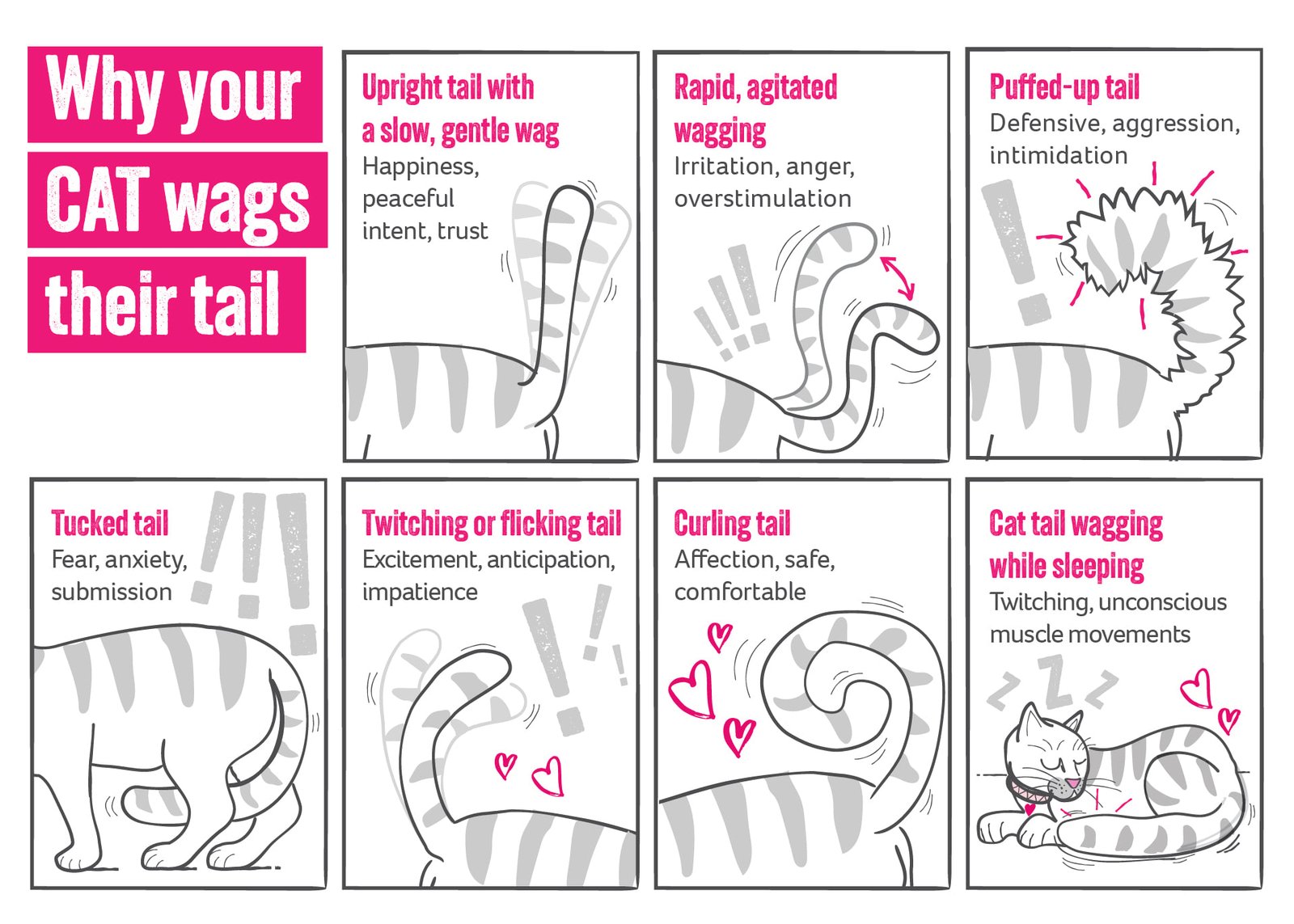
A dog’s tail position and speed indicate their current emotional state.
| What you notice | What it usually means | What to do first |
|---|---|---|
| Broad, sweeping motion at mid-height | Relaxed, friendly excitement | Offer your hand gently for a sniff |
| Fast, stiff wag held straight up | High arousal or defensive warning | Stop moving closer and stay calm |
| Low, fast wag between the legs | Fear, worry, or clear submission | Give space and speak very softly |
| Slow, lazy wag with soft eyes | Mild contentment and rest | Leave the dog to rest quietly |
| Twitching tail tip held high | Intense focus or hunting mode | Watch what has their full attention |
| Tail wagging biased toward the right | Positive interest in someone familiar | Greet the dog with smooth strokes |
| Tail wagging biased toward the left | Hesitation, stress, or unfamiliar trigger | Step back and avoid eye contact |
High and stiff wagging from intense arousal
A tail held upright like a flagpole and twitching fast means the dog feels alert, threatened, or ready to react. This posture happens because the nervous system floods the body with adrenaline, tightening the muscles along the spine. Take ten seconds to look at the dog’s hips and face without staring into their eyes. If the rear legs look stiff and the ears point forward, don’t reach out to pet them.
Stop walking forward, drop your arms, and turn your shoulder away. If the dog relaxes their spine and lets out a soft sigh, your choice worked.
Tucked tail movement driven by fear
A tail beating rapidly against the belly or between the hind legs means the dog is deeply scared. The animal tucks their tail to shield vulnerable areas. Look at the dog’s head for five seconds to confirm this state; a frightened dog lowers their head and avoids direct gaze.
Step back 6 feet to remove pressure. Don’t lean over or corner the dog, as trapped dogs may bite. The UC Davis School of Veterinary Medicine explains that fear signals often escalate to defensive aggression if ignored.
Asymmetric wagging linked to brain processing
Dogs often wag more to their right side when they feel confident, and more to their left side when they feel uneasy. This happens because the left brain handles positive approach feelings, while the right brain processes withdrawal and fear. Observe the sweep from behind to distinguish this wag.
If the wag swings right, continue; if left, give the dog time to sniff. You know it worked when the wag centers itself or the dog circles back to greet you naturally. This visual cue varies by breed build—check your dog’s natural tail set, since curly tails make left-right swings harder to read.
When to stop and get help
- The dog holds their tail stiffly upright while growling, showing teeth, or freezing in place.
- The tail hangs limp from the base and causes yelping when touched, which often points to a painful muscle sprain called limber tail.
- You see sudden tail-chasing paired with frantic biting at the skin, pointing to severe flea allergies or anal gland impaction.
- The dog snaps or lunges at you despite displaying a low, nervous tail wag.
These red flags mean home observation must end immediately. If a dog shows sudden aggression or pain, consult a veterinarian or behaviorist instead of attempting fixes yourself.
Frequently asked questions
Can a dog bite while wagging its tail?
Yes, because tail wagging indicates physical arousal and energy, not just happiness. A dog holding its body rigid will wag rapidly right before delivering a defensive bite. Always inspect the dog’s mouth, ears, and overall body posture instead of relying only on the tail movement.
Why does my dog wag their tail in their sleep?
Dogs wag their tails while sleeping because they’re actively dreaming during the deep sleep cycle. The brain sends mild motor signals to the tail and paws during this stage. It’s completely normal, so let your pet rest without waking them up suddenly.
How long does limber tail take to heal?
About one to two weeks with proper veterinary rest and prescribed anti-inflammatory medication. This painful sprain happens after hard swimming, heavy exercise, or exposure to cold water. If the tail doesn’t recover normal movement after 14 days, return to your clinic for spinal imaging.
Is it safe to approach a strange dog whose tail is wagging?
No, you should never approach an unfamiliar dog based solely on a wagging tail. Ask the owner for permission first, then watch if the dog’s body stays loose and curved. If the dog holds still, freezes, or stares hard, keep your distance.
What happens if a dog breaks its tail?
A broken tail causes intense pain, swelling, and possible nerve damage that affects bathroom habits. You’ll notice abnormal bends, a limp posture, or intense whining when the base is touched. A veterinarian must take X-rays to align the bone or treat internal nerve bruising safely.
Does tail docking prevent dogs from communicating?
Yes, docking makes it much harder for other animals and people to read the dog’s emotional state accurately. A short tail can’t show subtle direction changes, height differences, or sweeping motions clearly. You must rely heavily on facial expressions, ear positions, and back muscle tension instead.
Final Thoughts
Watching your dog’s body language is a wonderful way to build a deeper, more trusting bond. Next time you’re playing together, take a quiet moment to observe how their tail moves in different situations. You’ll soon see that you don’t need words to understand exactly what your best friend is feeling.
Related guides