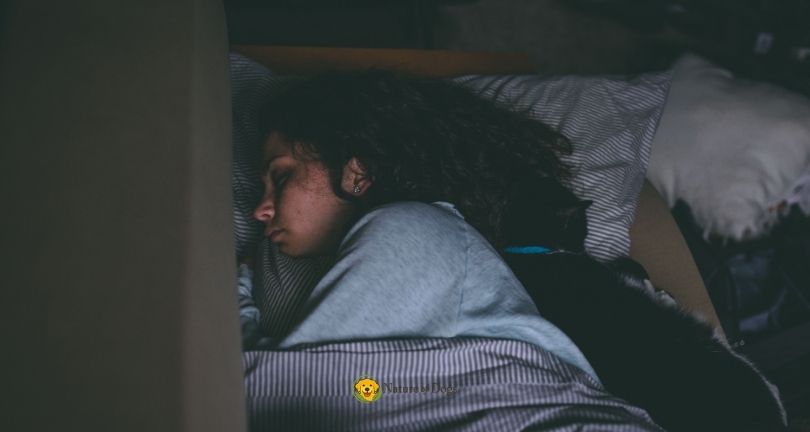
Why Does My Dog Sleep Against Me at Night?
Last Updated on October 4, 2026
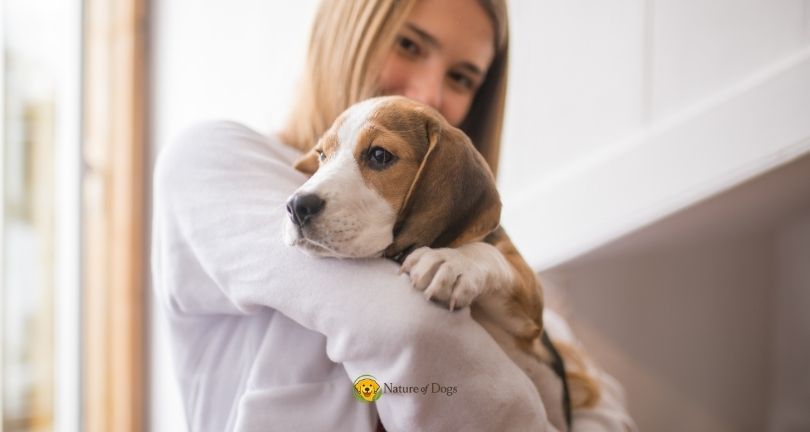
Why does my dog sleep against me at night comes down to three main reasons: seeking your physical warmth, feeling secure within their social group, and bonding through scent. Physical contact lowers canine stress levels, so pressing against you helps them rest deeply while knowing you’re safe.
Your pet’s daytime habits decide whether this contact is healthy affection or stress. True closeness happens when a dog is calm, but clinginess often masks separation anxiety or cold room temperatures. Pushing a clingy dog away suddenly makes anxiety worse, so you must read their body language before changing where they sleep.
Watching how your dog sleeps at night
 Photo: www.nps.gov on Google
Watch how your dog approaches the bed during the first 10 minutes of settling down. A calm dog circles, sighs, and lies flat, while an anxious pet pants and repositions constantly.
Tip: If the dog pants without stopping, check the room temperature before assuming they’re nervous.-
Check the bedroom thermostat to see if it reads below 68°F (20°C). Short-haired breeds lose body heat fast and press against you simply to stay warm.
-
Feel your pet’s muscle tension along their back and shoulders for 30 seconds. A relaxed dog feels soft and loose, but an anxious dog stays stiff even while lying down.
Test their reaction by shifting your legs 6 inches away to create space. If they settle peacefully, they’re resting normally; if they scramble instantly to close the gap, suspect anxiety.
Tip: If your dog growls when you move your legs, this is resource guarding, not affection, and you should contact a certified animal behaviorist rather than handling it alone.-
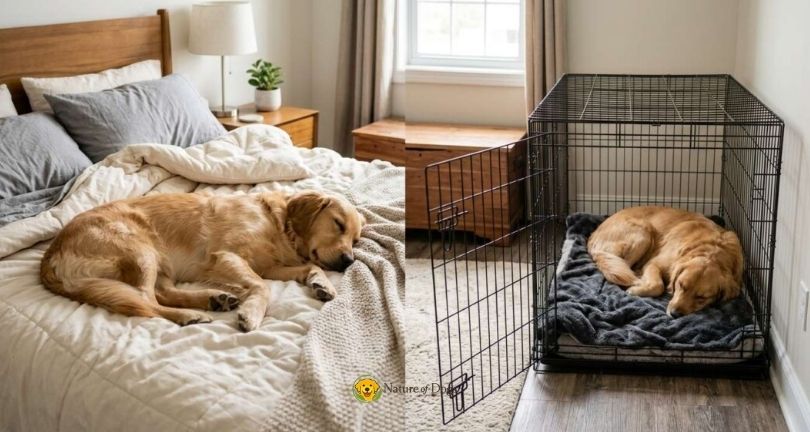
Offer an alternative sleeping spot, such as an orthopedic bed placed 2 feet from your mattress. This shows whether they need your direct body heat or just want your presence in the room.
How long it takes
Nighttime habits shift at different speeds depending on your dog’s age and health.
| Situation | How long | What changes it | What to watch for |
|---|---|---|---|
| Cold room adjustment | 1 night | Adding a warm dog blanket | Shivering stops immediately |
| New rescue pet settling | 2 to 4 weeks | Prior shelter trauma or neglect | Pacing near bedroom doors |
| Mild clinginess training | 3 to 6 weeks | Consistency of your nightly routine | Whining when moved away |
| Senior dog sudden clinginess | Ongoing | Joint pain or cognitive decline | Confusion in dark rooms |
When behavior changes take far longer than the table shows, stop home adjustments and schedule a veterinary exam to check for underlying medical pain.
How to tell when it’s done
A dog rests properly against you when their breathing slows to deep, regular breaths within 15 minutes of lying down. You’ll see their limbs go loose, and their eyes will stay closed even when you make small movements. The Merck Veterinary Manual guide on dog behavior notes that contact resting is standard canine social behavior used to maintain pack cohesion. The true test is how they wake up: a secure dog stretches slowly and greets you without frantic jumping or nervous trembling.
Mistakes that ruin it
- Ignoring sudden behavioral shifts. A dog that never cuddles but suddenly glues itself to your hip might have hidden pain or illness, so take them to a veterinarian instead of assuming they just feel affectionate.
- Pushing an anxious dog off the bed abruptly. Shoving them off increases fear, which ruins trust and costs you peaceful sleep; set up a comfortable dog bed right beside your mattress instead.
- Allowing bed-guarding to continue. Letting a dog snap at your partner when moving under covers creates dangerous aggression, so stop bed privileges immediately if guarding starts.
Frequently asked questions
Can sleeping with my dog make their separation anxiety worse?
No, sharing a bed doesn’t cause anxiety on its own. True separation issues happen because a pet can’t handle being left completely alone during the day, not because they sleep near you at night. If your dog panics when you leave the house, train daytime independence first.
Why is my dog suddenly pressing hard against me?
A sudden need for physical pressure often signals pain, fear, or a drop in room temperature. Dogs seek firm pressure during thunderstorms, fireworks, or sudden illness to calm their nervous systems. Check for limping, stomach hardness, or ear infections, then consult a veterinarian if it continues.
Is it safe to let my dog sleep against me?
Yes, it’s completely safe for healthy adult humans and healthy dogs. However, this isn’t for light sleepers or people with severe pet allergies, because pet dander and nighttime shifting disrupt deep sleep. Trade-offs include waking up more often during the night in exchange for mutual comfort.
How long does it take for a dog to learn to sleep in its own bed?
It usually takes between two and four weeks of steady practice. Put their bed next to yours, reward them with a treat when they lie down, and gently guide them back whenever they climb up. This varies by breed temperament—check guidelines on crate sizes if crate training instead.
What happens if I move my dog while they sleep?
Most dogs simply adjust their position, stretch, and fall back asleep. However, startled dogs might snap if they wake up suddenly from a deep dream state. Always speak softly to wake your pet before shifting heavy blankets or nudging their body out of your way.