How Long Does It Take to Leash Train a Puppy?
Last Updated on October 4, 2026
If you’ve just brought home a new puppy, you’re probably eager to get outside and enjoy walks together. But how long does it really take to leash train your puppy?
You might be wondering why your pup pulls, refuses to walk, or gets distracted so easily. The good news is, with the right approach, patience, and a bit of consistency, leash training can become a smooth and rewarding experience—for both of you.
You’ll discover what to expect, how long it typically takes, and practical tips to make leash training easier and faster. Keep reading to turn those frustrating walks into fun adventures you both look forward to.
Puppy Readiness For Leash Training

Knowing when a puppy is ready for leash training helps make the process smoother. Puppies need to reach certain milestones before starting leash training. Understanding these signs ensures a positive experience for both you and your puppy.
Ideal Age To Start
Puppies can begin leash training as early as 8 weeks old. At this age, they are curious and eager to explore. Starting early helps build good habits. Keep training sessions short and fun to hold their attention.
Some puppies might need more time before they are ready. It depends on their size, breed, and personality. Small breeds might start sooner than large breeds. Always watch your puppy’s behavior and adjust accordingly.
Signs Your Puppy Is Ready
Your puppy shows interest in their collar or harness. They stay calm when you put it on. They don’t try to pull it off or bite it. Your puppy follows simple commands like “sit” or “stay.”
The puppy walks beside you without much fuss. They are curious but not scared of new surroundings. They are able to focus for a few minutes at a time. These signs mean your puppy is ready for leash training.
Read More – How to Stop a Dog From Barking at the Door
Choosing The Right Leash And Collar
Choosing the right leash and collar is key to leash training a puppy. The right tools make training easier and safer. They help your puppy learn good walking habits. Poor choices can cause discomfort or even injury. Start with basics before picking one for your puppy.
Types Of Leashes
Leashes come in many styles and lengths. A standard leash usually measures 4 to 6 feet. It offers good control and is great for training. Retractable leashes give puppies more freedom to explore. They work well in open spaces but can cause pulling. Nylon leashes are light and easy to clean. Leather leashes are durable and comfortable to hold. Consider your puppy’s size and strength when choosing a leash.
Collar Vs. Harness
Collars sit around the puppy’s neck. They are simple and easy to put on. Collars work well for small puppies with gentle pulling. Harnesses wrap around the puppy’s chest and shoulders. They prevent strain on the neck and distribute pressure evenly. Harnesses help control strong or energetic puppies better. They reduce the risk of injury during training walks. Choose a collar or harness based on your puppy’s comfort and behavior.
Step-by-step Leash Training Process
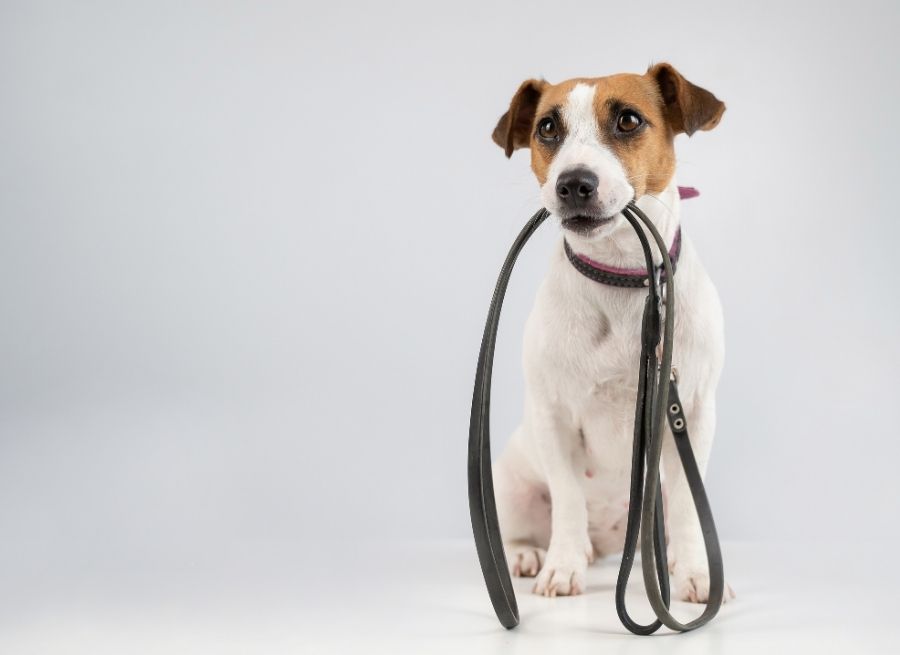
Leash training a puppy takes patience and small, steady steps. This step-by-step process helps your puppy get used to the leash and learn to walk nicely. Each part builds on the last, making training easier for both of you. Start slow and keep sessions short to hold your puppy’s attention. Praise and treats motivate your puppy to try hard and enjoy training.
Introducing The Leash Indoors
Begin by letting your puppy wear the collar and leash inside the house. Let them walk around with it for a few minutes. Watch for signs of discomfort or fear. Use gentle words and offer treats to create good feelings. Repeat this for several days until your puppy stays calm wearing the leash.
Encouraging Walking On The Leash
Hold the leash and call your puppy to walk beside you. Use treats to guide your puppy forward. Keep the leash loose to avoid tension. Take small steps and stop if your puppy pulls or stops. Reward your puppy every few steps to encourage walking. Practice this indoors before trying outside.
Handling Pulling And Resistance
When your puppy pulls, stop walking immediately. Stand still and wait for the leash to loosen. Use a gentle, calm voice to call your puppy back. Avoid pulling back on the leash as this can scare your puppy. Once the leash is loose, start walking again. Repeat this to teach your puppy that pulling stops the fun.
Read More – How to Teach a Dog to Stay for Beginners
Common Challenges And Solutions
Leash training a puppy can bring many challenges. These obstacles often slow down progress. Understanding common problems helps you stay calm and patient. Each puppy reacts differently to new experiences. Finding simple solutions makes training easier and more fun.
Fear And Anxiety
Puppies may feel scared of the leash or collar. Strange sounds and sights outside increase their fear. They might freeze, pull back, or try to hide. Use a calm voice to soothe your puppy. Let them sniff the leash before putting it on. Practice indoors first, where it feels safe. Reward brave behavior with treats and praise.
Distractions During Walks
Many things catch a puppy’s attention outside. Other dogs, people, and noises can distract them easily. Puppies might stop, pull, or try to chase. Keep initial walks short and quiet. Use treats to keep focus on you. Change direction if your puppy gets too excited. Gradually introduce busier places as training improves.
Inconsistent Behavior
Puppies often act differently each day. One day they walk well; the next they resist. This is normal during training. Consistency helps your puppy learn faster. Use the same commands and routines every time. Make sure all family members follow the rules. Patience and repetition build good habits over time.
Factors Influencing Training Duration
Training a puppy to walk on a leash takes different amounts of time. Several key factors affect how quickly a puppy learns. Understanding these helps set realistic goals.
Each puppy is unique. Their breed, personality, and learning style matter. The owner’s role and how often training happens also change the timeline.
Puppy Breed And Temperament
Some breeds learn leash walking faster than others. Active dogs may resist the leash at first. Calm breeds often adapt quickly. A puppy’s natural behavior affects training speed.
Temperament plays a big role. Shy puppies might need more time. Confident puppies usually pick up skills faster. Knowing your puppy’s nature helps tailor training.
Training Consistency
Regular practice speeds up leash training. Short daily sessions work best. Inconsistent training confuses puppies. Repetition helps them understand expectations.
Consistency builds habits. Skipping days slows progress. A steady routine makes learning smoother. Owners should plan regular leash practice times.
Owner Patience And Approach
Patience is key in leash training. Puppies respond better to calm guidance. Harsh reactions may cause fear or resistance. Positive reinforcement encourages good behavior.
Owners who stay patient help puppies feel safe. Gentle corrections and rewards make training fun. The right approach creates trust and faster learning.
Tips For Successful Leash Training
Leash training a puppy can be a smooth process with the right approach. Using effective techniques helps your puppy learn faster and enjoy walks more. Patience and consistency are key to success.
Positive Reinforcement
Reward your puppy with treats or praise when it walks calmly on the leash. This encourages good behavior and builds trust. Avoid punishment; it can create fear and confusion. Use rewards to guide your puppy gently.
Short And Frequent Sessions
Keep training sessions brief, around 5 to 10 minutes each. Puppies have short attention spans and tire quickly. Practice multiple times a day to build habits without overwhelming your puppy. Short sessions keep learning fun and effective.
Gradual Exposure To New Environments
Start leash training in a quiet, familiar place. Slowly introduce new locations with more distractions. This helps your puppy adjust without stress. Gradual exposure builds confidence and improves leash manners over time.
Read More – How to Stop a Dog From Jumping on Guests
Frequently Asked Questions
How Long Does Leash Training A Puppy Usually Take?
Leash training a puppy typically takes 1 to 3 weeks. Consistency and patience speed up progress. Each puppy learns at its own pace. Daily short sessions help build good habits quickly.
When Should I Start Leash Training My Puppy?
Start leash training your puppy as early as 8 weeks old. Early training helps them adapt to walking calmly on a leash. Gentle introduction builds positive associations and reduces fear.
How Often Should I Practice Leash Training Daily?
Practice leash training 10 to 15 minutes daily. Multiple short sessions work better than one long session. Frequent practice keeps your puppy engaged and improves learning retention.
What Are Common Leash Training Mistakes To Avoid?
Avoid pulling, rushing, or punishing your puppy during training. These actions cause fear or resistance. Use treats and praise instead to encourage good leash behavior.
Conclusion
Leash training a puppy takes patience and daily practice. Each puppy learns at its own pace. Expect the process to last several weeks. Stay calm and keep sessions short and fun. Consistency helps your puppy understand what you want. Celebrate small wins along the way.
Soon, your puppy will walk nicely on the leash. Enjoy the time spent building trust together. Leash training strengthens your bond and keeps walks safe. Keep going—you and your puppy will succeed.