7 Tips to Stop a Dog From Pulling on the Leash
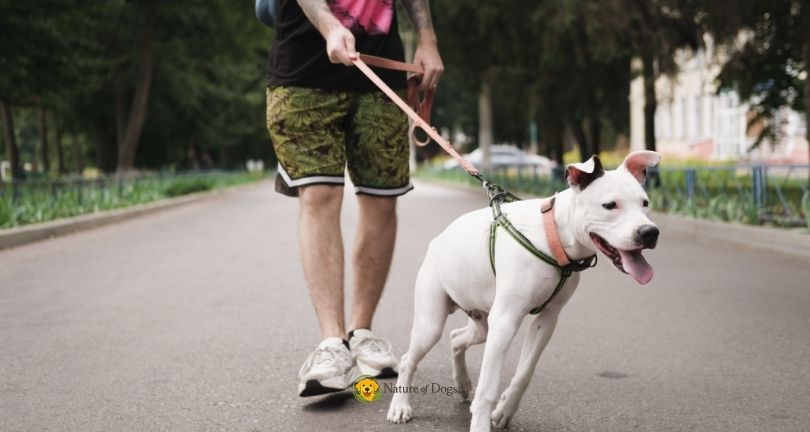
Walking your dog should be an enjoyable experience, but leash pulling can make every outing stressful. A dog that constantly lunges, drags, or strains against the leash may be reacting to excitement, distractions, fear, or a desire to explore. Pulling can also create safety risks for both you and your dog, especially near traffic, other animals, or crowded areas.
The good news is that leash pulling can often be improved with consistent training, the right equipment, and plenty of patience. Dogs do not automatically understand how to walk politely beside a person, so this skill must be taught gradually. The following seven tips can help your dog develop better leash manners and make walks calmer and more enjoyable.
1. Choose the Right Leash and Harness
The equipment you use can make leash training easier and safer. A standard six-foot leash is usually a good choice because it gives your dog enough freedom to explore while allowing you to maintain control.
Consider a No-Pull Harness
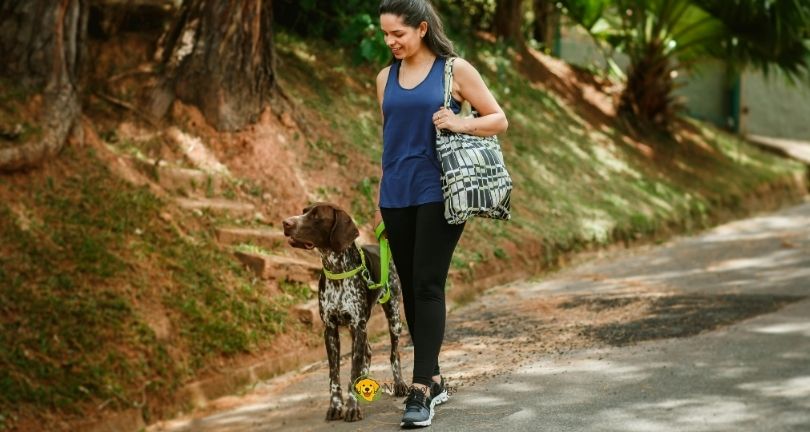
A well-fitted front-clip or no-pull harness may help reduce pressure on your dog’s neck and make pulling less effective. Unlike a traditional collar, a harness distributes pressure across the chest. This can be especially helpful for dogs that cough, choke, or strain while pulling.
Avoid using equipment designed to cause pain, such as choke chains or prong collars, without professional guidance. Punishment may increase fear or frustration and can damage the bond between you and your dog. Equipment should support training—not replace it.
Make sure the harness fits securely without rubbing or restricting movement. You should be able to place two fingers comfortably beneath the straps.
2. Teach Your Dog That Loose-Leash Walking Is Rewarding
Dogs repeat behaviors that produce positive results. If pulling allows your dog to reach an interesting smell, greet another dog, or move toward a favorite area, pulling is being rewarded.
Reward the Behavior You Want
Begin training in a quiet location with few distractions. Hold several small, tasty treats and reward your dog whenever the leash is loose and your dog is walking near you.
You can use a verbal marker such as “yes” or a clicker when your dog is in the correct position. Then immediately offer a treat. Over time, your dog will learn that staying close and keeping slack in the leash leads to rewards.
At first, reward frequently—even after just a few steps. As your dog improves, gradually increase the distance between rewards.
3. Stop Moving When Your Dog Pulls
One of the simplest ways to discourage pulling is to stop walking whenever the leash becomes tight. Avoid pulling back, jerking the leash, or scolding your dog. Instead, stand still and wait quietly.
Teach Your Dog to Return to You
When your dog notices that forward movement has stopped, it may look back or return to your side. As soon as the leash loosens, reward your dog and continue walking.
This method teaches an important lesson: a tight leash stops the walk, while a loose leash makes the walk continue. Be consistent, because allowing your dog to move forward sometimes while pulling can make the behavior stronger.
If your dog is extremely excited, take a few steps in the opposite direction once the leash is loose. Reward your dog for following you calmly.
4. Practice Direction Changes
Changing direction can help your dog learn to pay attention to you instead of automatically moving toward every distraction. Begin in a quiet area and walk in gentle turns.
Use Your Voice to Encourage Attention
Say your dog’s name in a cheerful tone and reward it for looking at you or following your movement. If your dog pulls ahead, calmly turn and walk in another direction. Do not drag your dog or make sudden, frightening movements.
This exercise teaches your dog that staying aware of your location is valuable. It also gives you a safe way to redirect your dog when a distraction appears.
Practice direction changes for just a few minutes at a time. Short, successful sessions are more effective than long walks filled with frustration.
5. Reduce Distractions During Training
Many dogs can walk politely inside the home but begin pulling as soon as they see squirrels, people, bicycles, or other dogs. This does not mean your dog is being stubborn. It may simply be too excited to focus.
Start in an Easy Environment
Begin training in a quiet room, hallway, backyard, or calm street. Once your dog can walk successfully there, gradually introduce more distractions.
If your dog starts pulling, barking, or lunging, you may be too close to the distraction. Increase the distance until your dog can pay attention again. Reward calm behavior before moving closer.
This process is called gradual desensitization. It helps your dog learn to remain relaxed and responsive instead of becoming overwhelmed.
6. Give Your Dog Appropriate Mental and Physical Exercise
A dog with excess energy may find it much harder to walk calmly. Dogs need opportunities to sniff, explore, play, and use their minds. However, exercise should be balanced with training rather than used to exhaust your dog completely.
Add Enrichment Before or During Walks
You can provide mental stimulation through:
- Sniffing games
- Food puzzles
- Short obedience sessions
- Fetch in a safe area
- Hide-and-seek games
- Training with treats
Allowing your dog to sniff during part of the walk can also reduce frustration. A walk does not need to be a strict heel from beginning to end. You can create separate periods for structured training and relaxed exploration.
A dog that receives appropriate enrichment may be more able to focus and make calm choices on the leash.
7. Stay Consistent and Patient
Leash training takes time. Some dogs improve within a few weeks, while others need several months of regular practice. Progress may also vary depending on the environment, your dog’s age, breed, personality, and previous experiences.
Avoid Sending Mixed Messages
Every person who walks your dog should follow the same rules. If one person allows pulling and another stops whenever the leash tightens, your dog may become confused.
Use positive reinforcement, keep sessions short, and end training while your dog is still engaged. Reward small improvements, such as checking in with you, slowing down, or walking a few steps without tension.
If your dog lunges aggressively, panics, or cannot calm down around certain triggers, seek help from a qualified positive-reinforcement trainer or veterinary behaviorist. Professional support can improve safety and identify whether fear or anxiety is contributing to the problem.
A Simple Leash-Training Routine
A practical training routine can make it easier to build good habits:
- Begin in a quiet area with treats and a properly fitted harness.
- Reward your dog for standing or walking beside you.
- Take a few steps and reward a loose leash.
- Stop immediately when your dog pulls.
- Continue only after the leash becomes loose.
- Practice gentle turns and direction changes.
- Gradually increase distractions and walking distance.
Keep each session to approximately five to fifteen minutes, depending on your dog’s attention span. You can finish the outing with a relaxed sniffing period as a reward for successful training.
Conclusion
Stopping a dog from pulling on the leash requires clear communication, consistency, and patience. The most effective approach is to reward loose-leash walking, stop when pulling occurs, manage distractions, and use equipment that promotes safety and comfort.
Do not expect perfect behavior immediately. Focus on small improvements and practice in environments where your dog can succeed. With regular training and positive reinforcement, your dog can learn to walk more calmly, pay better attention, and enjoy outings without dragging you down the street.
Frequently Asked Questions
How long does it take to stop a dog from pulling?
The timeline varies by dog. Some dogs show improvement within a few weeks, while others may need several months of consistent practice. Daily repetition and realistic goals can speed up progress.
Should I use a retractable leash for leash training?
A retractable leash is usually not ideal for teaching loose-leash walking because it allows constant tension and gives your dog more freedom to pull forward. A standard fixed-length leash is generally easier to control during training.
Is a harness better than a collar for a pulling dog?
A properly fitted harness may be safer and more comfortable for a dog that pulls, especially if the dog coughs or strains against a collar. A front-clip harness can also help redirect your dog’s body. Ask a professional to help you choose the right fit.
Should I punish my dog for pulling?
Punishment is not recommended. Yelling, leash jerks, or painful collars may increase fear and frustration. Reward-based training teaches your dog exactly what behavior you want and supports a stronger relationship.
Why does my dog pull only when seeing other dogs?
Your dog may be excited, frustrated, fearful, or eager to greet the other dog. Increase the distance, reward calm behavior, and gradually work closer only while your dog remains able to focus on you.
Can an older dog learn to stop pulling?
Yes. Older dogs can learn new walking habits, although they may need additional patience and shorter sessions. Consider whether pain, reduced vision, hearing loss, or other age-related changes are affecting your dog’s behavior.