How to Potty Train a Puppy Step by Step: A Proven Schedule
Take your puppy outside every two hours, immediately after naps, and 15 minutes after meals. Potty training takes four to six months of supervision and crate rests. This plan works best for owners who are home during the day.
Supplies to potty train your puppy
- A wire crate sized so your puppy can stand up, turn around, and lie down comfortably, but no larger.
- A standard 6-foot nylon leash to keep your puppy focused in the yard.
- High-value treats, such as plain boiled chicken cut into 1/4-inch bites.
- An enzymatic spray cleaner to remove urine scent markers completely.
- A written daily logbook or phone calendar to track bathroom times.
A baby gate works well to block off carpeted rooms, but an open cardboard box won’t keep a puppy contained. If your puppy shows sudden pain or passes blood, pause house training and consult a licensed veterinarian right away.
Step-by-step
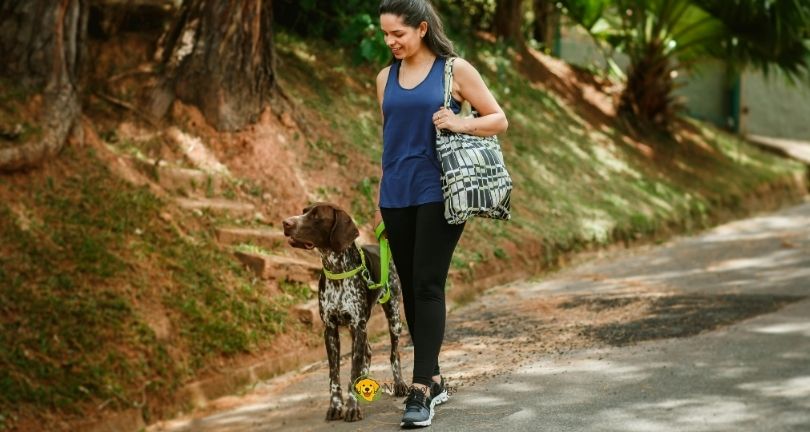
- Take your puppy outside on a 6-foot leash to the exact same toilet patch every two hours throughout the day.
- Stand still for five minutes and repeat a calm cue word like “potty” once every 30 seconds.
- Feed one bite of boiled chicken and offer calm praise within three seconds of them finishing their business outside. Tip: Keep the treat hidden in your pocket until they finish, or they’ll stop midway to eat.
- Bring them indoors right away for 20 minutes of closely watched play if they went, or place them in their crate for 15 minutes if they did not. Careful: If you don’t watch your puppy continuously during free time indoors, accidents will happen within minutes on your carpets.
- Feed your puppy their standard measured meal, wait exactly 15 minutes, and take them out to the toilet spot again.
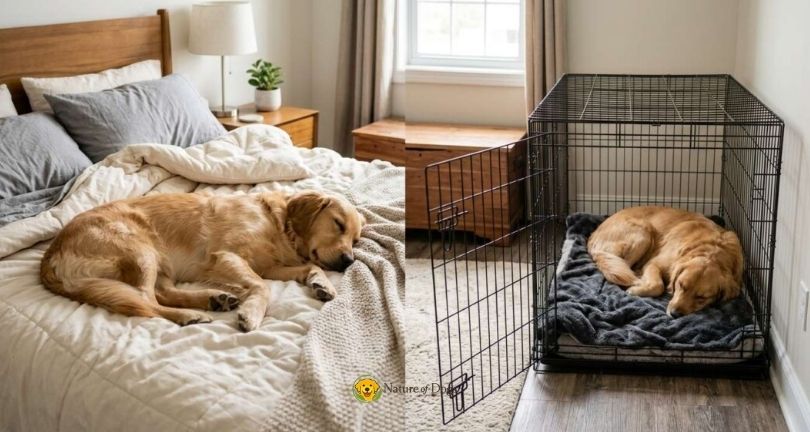
- Put your puppy inside their crate at bedtime with a safe chew toy and no food or water bowl. Tip: Keep the crate right beside your bed for the first two weeks so you hear them whine when they need to go out at night.
- Clean any indoor mess immediately using 4 to 6 sprays of enzymatic cleaner; never yell or rub their nose in it.
- Take young pups out once during the night if they’re under 12 weeks old.
Outdoor schedules by age
How long a puppy holds their bladder depends on their physical age and daily routine.
| Puppy Age | Typical Time Between Trips | Routine Differences | What to Watch |
|---|---|---|---|
| 8–10 weeks | 30 to 60 minutes | Needs hourly outdoor visits plus one night trip | Sudden sniffing or spinning |
| 10–12 weeks | 1 to 2 hours | Can sleep about 4 hours at night without waking | Pacing near closed exit doors |
| 3–4 months | 2 to 4 hours | Holds urine through most 6-hour night stretches | Whining near their crate door |
| 5–6 months | 4 to 6 hours | Routine matches normal adult feeding schedules | Barking at the yard entrance |
It’s safer to take your dog out too often early on than to delay and clean up preventable indoor accidents.
How to tell you did it right
A trained puppy signals at the door and relieves themselves within two minutes of going outside. A poor setup leads to indoor puddles and unproductive trips. You can prevent these mistakes by keeping the puppy leashed to your belt loop indoors, crating them when you leave the room, and using an enzymatic wash on previous accident spots.
House rules and post-training habits
Once your puppy goes four straight weeks without an indoor accident, you can open up one extra room at a time. Wash your yard walkway weekly with fresh water to clear waste traces, and store your cleaning spray out of reach. Solid habits last the dog’s lifetime, but a major household move or routine change means you must temporarily step back to a strict outdoor schedule for three days.
Alternative indoor setups
Indoor puppy pads
You place scented absorbent pads inside a small playpen. This method works well for high-rise apartment living, but it often slows down yard training because puppies learn to target soft, carpet-like textures inside your home.
Artificial grass patches
You set up a synthetic turf tray on a sheltered balcony. This costs more money upfront than paper pads, but it helps the puppy build an association with grass textures before they transition fully down to street level.
Dedicated dog gates
You divide an easy-to-clean kitchen area using two tall plastic gates. This skips the tight enclosure of a crate, though you’ll spend more time scrubbing vinyl floors whenever you misjudge your puppy’s bathroom timing.
Frequently asked questions
How long does it take to house train a puppy?
Four to six months is the normal time for most breeds. Smaller dogs have smaller bladders and often need up to eight months of steady guidance before they become fully reliable indoors.
Can an 8-week-old puppy sleep through the night?
No. An eight-week-old puppy can’t physically hold their urine for eight continuous hours. You should plan on setting an alarm to take them outside at least once every night during their first month home.
Why does my puppy pee inside right after being outside?
Your puppy was likely distracted by outdoor sounds, smells, or insects. If they spend ten minutes sniffing without going, bring them inside into their crate for fifteen minutes, then carry them straight back out to try again.
What happens if I punish my puppy for an accident?
Your puppy will become afraid to relieve themselves in front of you. They won’t understand your anger was about the location, so they’ll simply hide behind sofas or beds to eliminate where you can’t see them.
Is crate training safe for very young puppies?
Yes, a properly sized crate uses a dog’s natural instinct to keep their sleeping bed clean. Make sure the crate stays a calm resting place, and never use confinement as a harsh punishment for normal puppy mistakes.
Can I leave water in the crate overnight?
No. Remove all water bowls roughly two hours before bedtime to keep their bladder empty overnight. You can offer fresh water again during their very first morning trip outside.
Final Thoughts
Consistency is the secret to your success, even when you’re feeling tired. Don’t get discouraged if there’s an occasional accident inside; it’s just part of the process. Keep up your routine, and soon you’ll have a house-trained companion who’s ready for long, stress-free walks in the park with you.