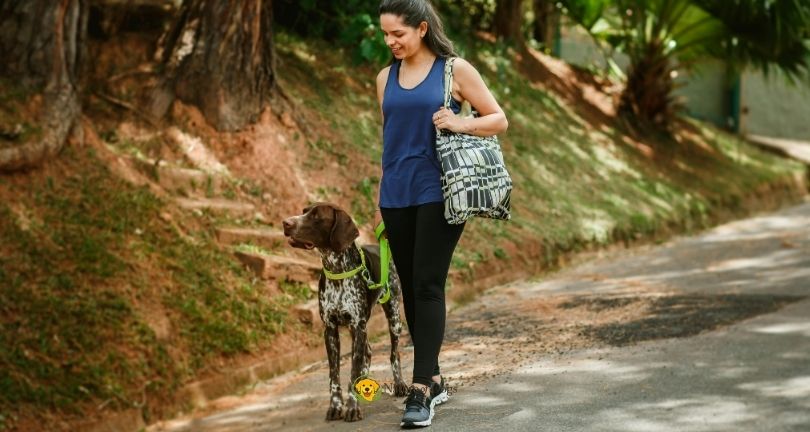
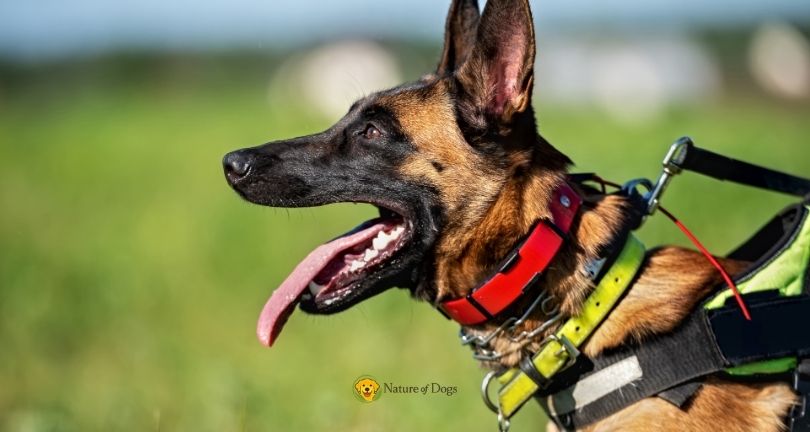
Dog Harness vs Collar: Which One Is Better for Daily Walks?
Last Updated on October 4, 2026
Choosing between a dog harness and a collar is one of the most common questions dog owners ask. Both tools can be useful, but they are not always best for the same purpose. Some dogs walk calmly on a collar, while others pull, cough, slip out, or need more control during daily walks.
So, dog harness vs collar: which one is better for daily walks? For most dogs, a well-fitted harness is usually the better and safer choice for walks because it spreads pressure across the chest and shoulders instead of the neck. However, collars are still important for ID tags and can work well for dogs that do not pull.
The best option depends on your dog’s size, breed, training level, health, walking behavior, and comfort. In this article, we’ll compare harnesses and collars, explain the pros and cons of each, and help you decide which one is best for your dog’s daily walks.
Read More – How to Stop a Puppy From Biting Hands and Feet: Easy Training Tips
Dog Harness vs Collar: Quick Answer
A harness is usually better for daily walks, especially for puppies, small dogs, dogs that pull, dogs with breathing issues, and dogs that need more control. A collar is useful for holding ID tags and may be fine for calm dogs that walk politely without pulling.
In many cases, the best setup is to use both:
- Collar: For ID tags and everyday identification
- Harness: For leash attachment during walks
This gives your dog safety, comfort, and proper identification.
What Is a Dog Collar?
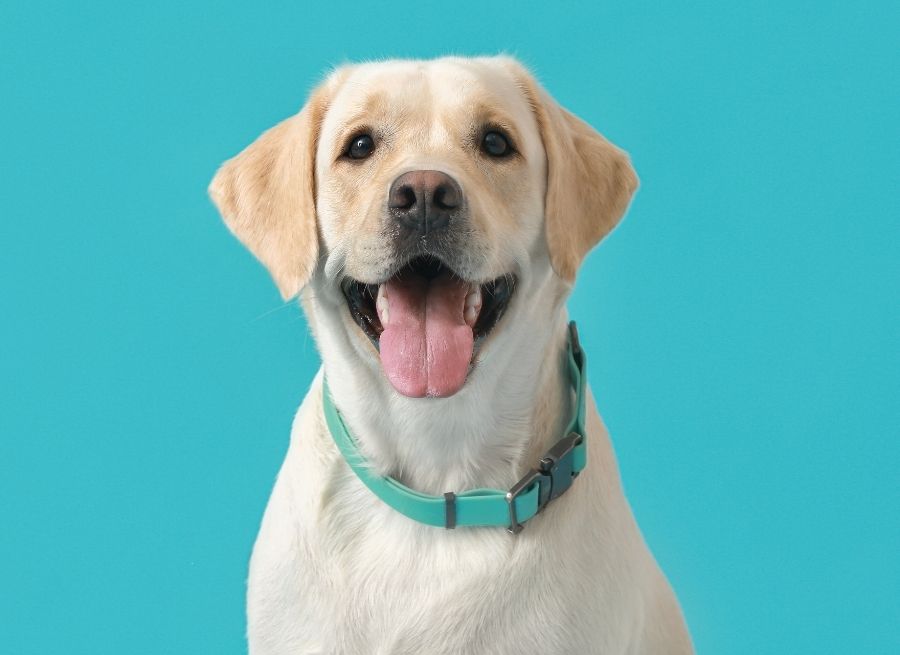
A dog collar is a band that fits around your dog’s neck. It is commonly used to hold ID tags, license tags, and sometimes a leash.
Collars come in different styles, including:
- Flat collars
- Martingale collars
- Breakaway collars
- Rolled leather collars
- Reflective collars
A standard flat collar is one of the most common dog accessories. It is simple, lightweight, and easy for dogs to wear daily.
However, attaching a leash to a collar may not be ideal for every dog, especially dogs that pull or have neck, throat, or breathing problems.
What Is a Dog Harness?
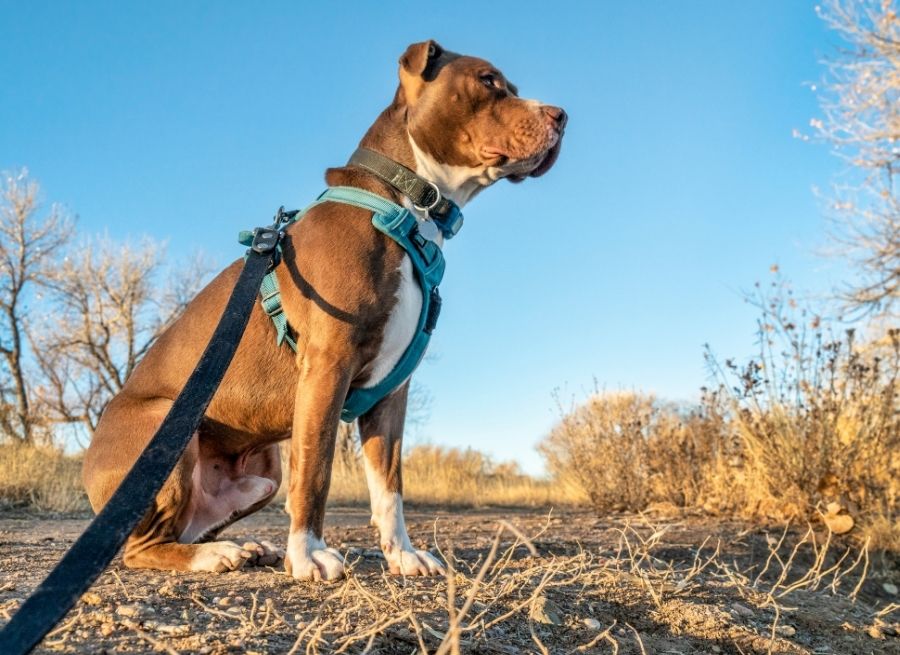
A dog harness is a piece of walking gear that fits around your dog’s chest, shoulders, and sometimes back. Instead of putting pressure on the neck, a harness spreads force across a larger area of the body.
Harnesses come in several styles, including:
- Back-clip harnesses
- Front-clip harnesses
- Dual-clip harnesses
- Step-in harnesses
- Vest harnesses
- No-pull harnesses
- Escape-proof harnesses
Harnesses are often recommended for daily walks because they can offer more comfort and control, especially for dogs that pull or need training.
Benefits of Using a Dog Harness for Walks
A harness can be a great walking tool for many dogs. It is especially useful if you want more control without putting pressure on your dog’s neck.
Reduces Pressure on the Neck
One of the biggest benefits of a harness is that it reduces pressure on your dog’s neck and throat.
When a dog pulls on a collar, pressure is placed on sensitive areas such as the:
- Throat
- Trachea
- Neck muscles
- Cervical spine
- Thyroid area
A harness shifts that pressure to the chest and shoulders, which can be safer and more comfortable for many dogs.
This is especially important for small breeds, puppies, senior dogs, and dogs with respiratory problems.
Better for Dogs That Pull
If your dog pulls on the leash, a harness is usually a better choice than a collar. Pulling against a collar can cause coughing, choking, gagging, or discomfort.
A front-clip or no-pull harness can help reduce pulling by gently redirecting your dog’s body when they move ahead too strongly. It does not magically train your dog overnight, but it can make leash training easier and safer.
A harness can be helpful for:
- Strong pullers
- Excitable dogs
- Young puppies
- Large dogs
- Reactive dogs
- Dogs learning leash manners
Training is still important. A harness is a tool, not a complete solution.
More Control During Walks
Harnesses often give owners better control, especially with medium, large, or energetic dogs. Since the leash connects to the dog’s body rather than the neck, it may be easier to guide your dog without causing discomfort.
This can be useful when walking near:
- Traffic
- Other dogs
- Children
- Crowded sidewalks
- Wildlife
- Busy parks
- New environments
A dual-clip harness can provide even more flexibility because you can attach the leash to the front, back, or both with a double-ended leash.
Read More – How to Potty Train a Puppy in an Apartment: Step-by-Step Guide
Harder for Some Dogs to Slip Out
Some dogs can back out of collars, especially if they have narrow heads, thick necks, or are nervous on walks. A properly fitted harness may be more secure.
Escape-prone dogs may benefit from a harness designed with extra straps or a more secure fit.
This is especially helpful for:
- Rescue dogs
- Nervous dogs
- Sighthounds
- Puppies
- Dogs startled by loud sounds
- Dogs with collar-slipping habits
However, not all harnesses are escape-proof. Fit is extremely important.
Good for Puppies
Harnesses are often a smart choice for puppies because young dogs are still learning leash manners. Puppies may pull, jump, twist, or suddenly dart in different directions.
A harness helps protect the puppy’s neck while giving you better control during training.
For puppies, look for a harness that is:
- Lightweight
- Adjustable
- Soft but secure
- Easy to put on
- Properly sized
- Not restrictive
Check the fit often because puppies grow quickly.
Disadvantages of Dog Harnesses
Harnesses are useful, but they are not perfect. Some dogs need time to get used to wearing one.
Some Dogs Dislike Wearing Harnesses
Some dogs do not like the feeling of a harness around their body. They may freeze, back away, chew at it, or avoid putting it on.
To help your dog adjust:
- Let them sniff the harness.
- Reward them for touching it.
- Put it on for short periods.
- Give treats while fastening it.
- Remove it before your dog gets frustrated.
- Build up gradually.
A harness should never be forced on harshly, especially with nervous dogs.
Poor Fit Can Cause Rubbing
A harness that does not fit properly can rub under the armpits, restrict movement, or create pressure points.
Signs of a poor fit include:
- Red skin
- Hair loss
- Chafing
- Limping
- Restricted shoulder movement
- Dog refusing to walk
- Harness sliding around
- Gaps or looseness
You should be able to fit about two fingers between the harness and your dog’s body, but it should not be loose enough for your dog to escape.
Some Harnesses Can Encourage Pulling
Back-clip harnesses are comfortable, but they may allow some dogs to pull harder because the leash attachment is on the back. This does not happen with every dog, but strong pullers may need a front-clip or no-pull design.
If your dog pulls heavily, pair the harness with leash training instead of relying on equipment alone.
Benefits of Using a Dog Collar
Collars are simple, practical, and useful for everyday identification. Many dogs wear collars daily without any problem.
Great for ID Tags
The biggest benefit of a collar is that it holds your dog’s ID tag. If your dog ever gets lost, an ID tag can help someone contact you quickly.
A collar can hold:
- Name tag
- Phone number
- License tag
- Rabies tag
- Medical alert tag
- “Microchipped” tag
Even if your dog walks on a harness, they should still wear a collar with ID in many situations.
Easy to Put On and Wear
Collars are usually easier to put on than harnesses. Many dogs do not mind wearing a lightweight flat collar throughout the day.
Collars are convenient for:
- Quick potty breaks
- Holding ID tags
- Calm leash walks
- Training basic manners
- Everyday wear
For dogs that walk politely and do not pull, a collar may be enough for simple outings.
Good for Calm, Trained Dogs
A collar can work well for dogs that already walk nicely on a leash. If your dog stays beside you, does not lunge, and does not pull, leash pressure on the neck may be minimal.
Collars may be suitable for:
- Well-trained adult dogs
- Calm walkers
- Dogs with good leash manners
- Quick bathroom breaks
- Low-distraction areas
However, you should still make sure the collar fits properly and is not causing coughing or discomfort.
Disadvantages of Dog Collars
While collars are useful, they may not be the safest leash attachment for every dog.
Can Put Pressure on the Throat
If a dog pulls while attached to a collar, pressure is concentrated on the neck and throat. This can cause discomfort and may lead to coughing, gagging, or choking sounds.
Dogs at higher risk include:
- Small breeds
- Toy breeds
- Puppies
- Senior dogs
- Dogs with tracheal issues
- Flat-faced breeds
- Dogs that pull hard
- Dogs with neck injuries
If your dog coughs or chokes on walks, a harness is likely a better choice.
Some Dogs Can Slip Out
A collar that is too loose can slip over your dog’s head. Some dogs are especially skilled at backing out of collars when scared or excited.
This can be dangerous near roads, strangers, or other animals.
Dogs that may slip collars include:
- Greyhounds
- Whippets
- Italian Greyhounds
- Nervous rescue dogs
- Dogs with narrow heads
- Dogs with thick necks
- Puppies
A martingale collar or secure harness may be better for these dogs.
Not Ideal for Pullers
For dogs that pull, collars can make walks uncomfortable and harder to control. Pulling against a collar may also increase frustration for both dog and owner.
If your dog regularly lunges at squirrels, people, cars, or other dogs, a harness is usually safer while you work on training.
Harness vs Collar: Which Is Safer?
For leash walking, a harness is generally safer for many dogs because it reduces pressure on the neck and gives better control. A collar is safest when used for identification or for dogs that do not pull.
Here is a simple comparison:
| Feature | Harness | Collar |
|---|---|---|
| Best for daily walks | Yes, for most dogs | Only for calm walkers |
| Best for ID tags | Not ideal | Yes |
| Reduces neck pressure | Yes | No |
| Good for pullers | Yes, especially front-clip | Usually no |
| Easy to wear all day | Sometimes | Yes |
| Helps control body | Yes | Less control |
| Risk of slipping out | Low if fitted well | Higher for some dogs |
| Best for puppies | Usually yes | For ID, not pulling |
| Best for small breeds | Usually yes | Use carefully |
| Best for trained dogs | Yes | Can be fine |
For many owners, the safest daily setup is a collar with ID tags plus a harness for leash walking.
Which Is Better for Puppies?
A harness is usually better for walking puppies. Puppies are still learning and may pull, jump, or suddenly run. A harness helps protect their neck and gives you more gentle control.
Puppies should still wear a collar with ID tags, but attaching the leash to a harness is often safer.
Choose a puppy harness that is:
- Lightweight
- Adjustable
- Comfortable
- Secure
- Easy to clean
- Not too bulky
Check the fit weekly because puppies grow fast.
Read More – How Much Should I Feed My Puppy by Age? Puppy Feeding Guide
Which Is Better for Small Dogs?
A harness is often better for small dogs, especially toy breeds. Small dogs can be more delicate around the neck and throat, and some breeds are prone to tracheal issues.
Small breeds that may benefit from a harness include:
- Chihuahua
- Yorkshire Terrier
- Pomeranian
- Maltese
- Toy Poodle
- Shih Tzu
- Pug
- French Bulldog
Flat-faced breeds and dogs with breathing concerns should usually avoid leash pressure on the neck.
Which Is Better for Large Dogs?
Large dogs can use either a harness or collar, but a harness often gives better control, especially if the dog is strong or energetic.
For large dogs that pull, a front-clip or dual-clip harness can help with training. A collar may be fine for a large dog that walks calmly, but it should not be used to drag, jerk, or restrain a powerful puller.
Large dogs need strong, well-made equipment with secure clips and adjustable straps.
Which Is Better for Dogs That Pull?
A front-clip harness or no-pull harness is usually better for dogs that pull. These harnesses can help redirect your dog’s forward motion and reduce pressure on the neck.
However, equipment alone will not teach perfect leash manners. You should also train your dog to walk with a loose leash.
Helpful leash training tips include:
- Reward your dog for walking beside you.
- Stop walking when the leash gets tight.
- Change direction when your dog pulls.
- Use treats to reinforce attention.
- Practice in low-distraction areas first.
- Keep walks calm and consistent.
A harness makes training safer and easier, but training creates the long-term change.
Can Dogs Wear a Collar and Harness at the Same Time?
Yes, many dogs can wear both a collar and harness at the same time. This is often the best setup.
Use the collar for:
- ID tags
- License tags
- Everyday identification
Use the harness for:
- Leash attachment
- Daily walks
- Training
- Better control
- Reducing neck pressure
Make sure neither item rubs, restricts movement, or causes discomfort.
How to Fit a Dog Collar Properly
A collar should be snug but not tight. You should be able to fit two fingers between the collar and your dog’s neck.
A properly fitted collar should:
- Not slide over the dog’s head
- Not press into the skin
- Not cause coughing
- Hold ID tags securely
- Allow normal breathing
- Sit comfortably around the neck
Check collar fit regularly, especially for puppies, growing dogs, and dogs that gain or lose weight.
How to Fit a Dog Harness Properly
A harness should fit securely without rubbing or restricting movement. It should not be so loose that your dog can escape, and not so tight that it causes discomfort.
A properly fitted harness should:
- Allow normal shoulder movement
- Sit away from the armpits
- Not rub the skin
- Not twist or slide around
- Allow two fingers under the straps
- Keep clips and buckles secure
- Match your dog’s body shape
After walks, check for redness or hair loss under the straps. If you see rubbing, adjust the fit or try a different style.
When Should You Choose a Harness?
Choose a harness for daily walks if your dog:
- Pulls on the leash
- Is a puppy
- Is a small breed
- Has breathing problems
- Has neck sensitivity
- Is nervous or likely to escape
- Needs more control
- Lunges at distractions
- Coughs when walking on a collar
- Has a flat face or short nose
For most dogs, a harness is the better walking choice.
When Should You Choose a Collar?
Choose a collar for identification and possibly leash walking if your dog:
- Walks calmly
- Does not pull
- Has good leash manners
- Needs a place for ID tags
- Is going for quick potty breaks
- Is comfortable wearing one
A collar is still important even if your dog walks on a harness. Identification can be lifesaving if your dog gets lost.
What About Martingale Collars?
Martingale collars are designed to tighten slightly when a dog pulls, but they do not tighten endlessly like choke chains. They are often used for dogs with narrow heads that can slip out of regular collars.
Martingales may be useful for:
- Greyhounds
- Whippets
- Rescue dogs
- Dogs that back out of collars
- Training under supervision
A martingale should be fitted correctly and should not choke the dog. It is not usually meant to be left on unsupervised.
What About Choke Chains, Prong Collars, and Shock Collars?
Choke chains, prong collars, and shock collars are controversial and can cause pain, fear, or injury if misused. They are not usually recommended for everyday owners as a first choice for daily walks.
Safer alternatives include:
- Front-clip harnesses
- Dual-clip harnesses
- Positive reinforcement training
- Loose-leash walking practice
- Professional training support
If you are struggling with pulling or reactivity, consider working with a certified dog trainer who uses humane training methods.
FAQs About Dog Harnesses vs Collars
Is a harness better than a collar for walking a dog?
For most dogs, yes. A harness is usually better for walks because it reduces pressure on the neck and gives better control. A collar is still useful for ID tags.
Should my dog wear a collar all the time?
Many dogs wear collars during the day for identification, but collars should fit properly and be checked regularly. Some owners remove collars at night or during crate time to prevent snagging.
Can a harness stop my dog from pulling?
A front-clip or no-pull harness can help reduce pulling, but it does not replace training. Loose-leash training is still needed for long-term success.
Are collars bad for dogs?
Collars are not bad when used properly, especially for ID tags. However, attaching a leash to a collar can be risky for dogs that pull, cough, or have neck or breathing issues.
Are harnesses bad for dogs?
Harnesses are not bad if they fit correctly. A poor-fitting harness can rub, restrict movement, or cause discomfort. Choose the right style and check the fit often.
What is best for a puppy: harness or collar?
A harness is usually best for walking a puppy because it protects the neck and gives better control. A collar is still useful for holding ID tags.
Should small dogs use a harness?
Yes, many small dogs do better with harnesses because their necks and throats can be delicate. Harnesses are especially helpful for toy breeds and flat-faced dogs.
Can my dog wear both a collar and a harness?
Yes. Many owners use a collar for ID tags and a harness for leash walking. This combination is practical and safe for many dogs.
What type of harness is best for pulling?
A front-clip or dual-clip harness is often best for dogs that pull. It helps redirect the dog’s body and gives the owner more control.
How tight should a dog harness be?
A harness should be snug but comfortable. You should be able to fit two fingers under the straps, and it should not rub, twist, or restrict your dog’s movement.
Conclusion
When comparing a dog harness vs collar for daily walks, a harness is usually the better choice for most dogs. It reduces pressure on the neck, gives better control, and is safer for puppies, small dogs, pullers, and dogs with breathing or neck concerns.
A collar is still important because it holds your dog’s ID tags and can be useful for calm, well-trained dogs. However, for leash attachment during daily walks, many dogs are more comfortable and secure in a properly fitted harness.
The best option for many owners is simple: use a collar for identification and a harness for walks. This gives your dog both safety and comfort.
No matter which tool you choose, proper fit and training matter most. A good harness or collar can help, but patient loose-leash training is what creates enjoyable walks for both you and your dog.