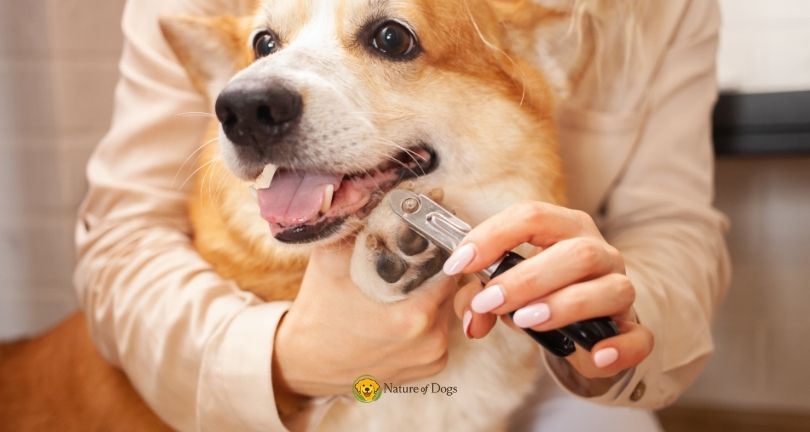
Dog Nail Care: How to Trim Claws Safely and Effectively
Last Updated on October 4, 2026
Dog nail care requires trimming 2 to 3 millimeters off the tip every 3 to 4 weeks using sharp scissor clippers. This schedule prevents overgrown claws from forcing the dog’s toes outward while walking. This routine suits calm pets with clear, light-colored nails best because the inner blood supply is easy to see.
Essential tools for nail care

- Scissor-style clippers with a safety guard sized to your dog (small for pets under 25 pounds, large for heavier dogs; guillotine styles crush thick claws).
- Styptic powder (substitute cornstarch if unavailable; baking flour won’t seal torn vessels).
- High-value treats cut into pea-sized bites.
- A bright LED penlight for spotting the sensitive quick inside dark claws.
- An emery board or coarse dog nail file.
If your dog snaps or thrashes, stop immediately and visit a veterinary clinic or certified groomer for restraint assistance.
Step-by-step
- Seat your dog comfortably and lift one front paw, holding the toe firmly between your thumb and index finger for 5 seconds without squeezing.
- Part the hair around the claw and shine an LED light through the side of the nail to locate the pink quick inside.
- Place the clipper blade at a 45-degree angle across the nail tip, taking off only 2 millimeters at a time. Careful: Cutting past the curve hits the blood vessel, causing pain and rapid bleeding.
- Check the cut surface after every slice; stop immediately when you see a gray or dark pink oval in the center. Tip: If you see the dark circle, the living tissue is less than 1 millimeter away.
- Apply a small amount of styptic powder to the bleeding tip using a clean applicator or your finger, then apply steady pressure for 60 seconds with a paper towel.
- Smooth rough edges by dragging an emery board in one downward direction across the tip 3 to 4 times. Tip: Never saw back and forth, as this splinters dry canine nails.
- Give your dog one treat after finishing each foot, keeping the entire session under 10 minutes.
If a dewclaw curls into the pad and punctures the skin, don’t cut it at home; take your pet to a licensed veterinarian to avoid deep tissue infection.
Adjusting for Nail Types
Different dogs require different amounts of patience and gear during paw grooming sessions.
| Dog Situation | Time Needed | What Changes | Watch Closely |
|---|---|---|---|
| Clear white nails | 10 minutes | Quick shows as a clear pink tube | Tip distance from pink core |
| Solid black claws | 20 minutes | Blood line is completely hidden | Black dot appearing in cut center |
| Senior arthritic dogs | 15 minutes | Stiff leg joints can’t bend high | Signs of hip or elbow pain |
| Long-neglected claws | 25 minutes | Inner tissue has grown very long | Taking tiny 1 mm trims weekly |
It’s safer to trim a tiny sliver weekly than to overshoot the mark on your first try.
How to tell you did it right
A good trim leaves the nails hovering just above hard floors, making no tapping noise when your dog walks across tile. The tips look clean and blunt, without jagged cracks or exposed pink tissue. Poor trims leave shredded edges or bleed because the cut went past the natural curve. Splitting happens because dull clipper blades crush the hard outer shell instead of slicing through it cleanly. Buying hardened steel blades and replacing them when they pull rather than cut prevents this shell damage completely.
Keeping Nails at Healthy Lengths
The American Kennel Club nail trimming guidelines explain that claws should never extend past the bottom of the paw pads. When claws touch the floor constantly, they push the toe bones back, which damages joint alignment over time. After you finish, wipe the steel blades clean with 70% rubbing alcohol and pack away the styptic powder in a dry cupboard. Regular trims last about 3 to 4 weeks before the claw tips begin clicking against the floor again. If your dog shows extreme fear or bites during handling, hire a Fear Free certified groomer instead of forcing the issue.
Alternative Paw Grooming Methods
Electric rotary grinder
A rotary tool grinds claw tips down using a sandpaper drum. This tool takes 15 minutes longer than clippers, but it leaves smooth edges and reduces the risk of cutting the vein.
Scratch board training
The dog scratches an abrasive sandpaper board willingly to earn treats. This method costs little, but it only files front paws and leaves dewclaws completely untouched.
Professional veterinary trim
A vet technician trims all paws using professional restraint. This method costs a routine service fee, but it eliminates injury risks for aggressive dogs.
Frequently asked questions
Can you use human nail clippers on dogs?
No, because human clippers press flat across the nail, which crushes and splits round canine claws. Pet clippers use blades designed to accommodate the shape of the canine nail.
Why do dog nails bleed so much when cut?
Dog claws contain a central sensitive area called the quick, which contains nerves and blood vessels. When nicked, it bleeds heavily because the hard outer shell prevents the vessel from closing quickly on its own.
How long does it take for the quick to recede?
It takes a series of regular, short trims for the blood vessel to shrink back. Trimming tiny amounts as part of your usual clean encourages the tissue to retreat safely toward the toe.
Is it safe to walk a dog right after trimming?
Yes, you can walk your dog immediately on clean pavement if no bleeding occurred. If you nicked a vessel, wait at least 30 minutes so the clot forms fully and doesn’t reopen on rough ground.
What happens if you never trim your dog’s nails?
The claws will curl under, puncture the sensitive paw pads, and cause painful bone deformities in the feet. Overgrown nails force dogs to shift their weight backward, stressing their knees, hips, and spine during normal walks.
Final Thoughts
If your pup’s nails are dark or you’re feeling nervous, don’t worry about doing it all at once. You can just trim a tiny sliver at a time to keep them comfortable. It’s a great idea to practice touching their paws daily so they’ll stay relaxed for your next grooming session.
Related guides