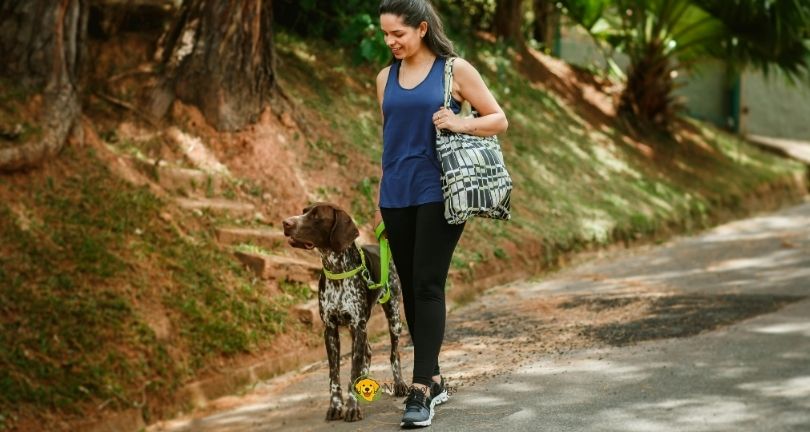

Dog Training Treats vs Regular Treats: How to Choose the Best
When weighing Dog Training Treats vs Regular Treats, bite-sized training treats are the best choice for teaching skills because your dog swallows them instantly without losing focus. Large, crunchy biscuits win when you want to reward calm resting in a crate. The right option depends on whether you need fast attention or long chewing.
How training treats differ from regular treats
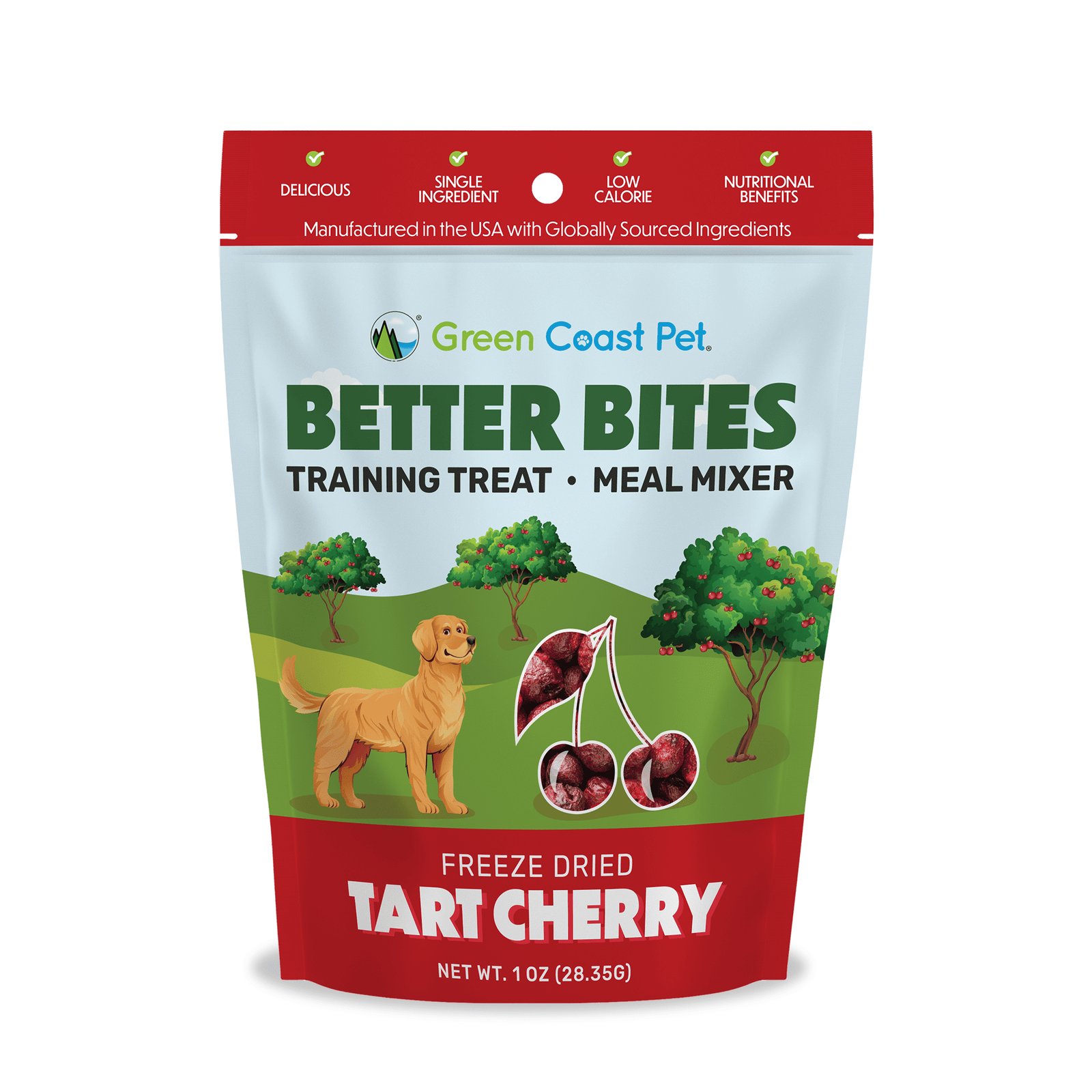
Choosing between reward types changes how quickly your dog learns and how many extra calories they consume during the day.
| Method | How long | Effort | Cost | Best for |
|---|---|---|---|---|
| Pea-sized soft bites | 1 to 2 seconds | Low | Medium | Rapid repetition of new cues |
| High-value real meats | 1 to 2 seconds | Medium | High | Distracting outdoor environments |
| Large baked biscuits | 30 to 90 seconds | Low | Low | Bedtime rewards and kennel settling |
| Long-lasting chews | 10 to 30 minutes | Low | High | Separation anxiety and quiet time |
Small soft training rewards
Commercial soft training treats keep lessons moving because your dog doesn’t stop to chew crumbs off the floor.
- Measure your dog’s daily treat allowance by checking the calorie count on the package.
- Deliver 1 piece within two seconds of your dog completing the desired action.
- Stop the session after 10 to 15 treat deliveries to avoid stomach upset.
These treats excel at keeping your dog eager and focused during rapid drills. They fit neatly into pouches without crumbling into useless dust. However, commercial bites often dry out quickly if you leave the bag unsealed. This method isn’t for dogs with strict prescription diets or severe single-protein allergies; speak to your vet for safe alternatives.
Fresh single-ingredient meats
Cooked chicken breast, turkey, or lean beef liver cut through heavy distractions when standard dog snacks fail to hold attention.
- Boil or bake plain, unseasoned meat until it’s cooked through.
- Dice the meat into pieces no larger than a pencil eraser.
- Portion 20 to 30 pieces into small silicone bags for outside walks.
- Hand 1 warm piece to your pet when passing noisy dogs or heavy traffic.
Real meat provides unmatched aroma and drive, making hard outdoor tasks much easier to master. It keeps dogs engaged around loud traffic or unfamiliar wildlife. Its main weakness is the mess: fresh meat turns slimy in your pocket and spoils quickly on warm days.
Crunchy everyday biscuits
Standard hard biscuits serve as comforting snacks rather than fast teaching tools.
- Check your dog’s current body weight against the feeding guide on the box.
- Offer 1 whole biscuit after your pet enters their crate quietly.
- Leave your dog alone in the space so they can chew without interruption.
Biscuits clean cleanly from hands, keep well in glass jars for weeks, and give jaws satisfying resistance. Their weakness is chewing time; handing one out during heel practice halts your forward momentum entirely. If you want even longer chewing, braided bully sticks keep dogs settled for several minutes, though they cost substantially more per ounce.
Which one should you use?
If you’re in a hurry, pick pea-sized commercial soft bites because you can grab a handful and practice immediately without prep time.
If you’re doing this for the first time, stick with crunchy biscuits as occasional gifts because they help you avoid overfeeding while you learn basic pet care routines.
If you want the best possible result whatever it takes, use diced fresh meats to command total focus across chaotic public parks.
Every option involves a trade-off between how clean your pockets stay and how intensely your dog focuses on your voice. Diced meats create grease and require cooking time, but they build reliable obedience much faster than dry flour cookies.
The rules that apply whichever way you choose
Treats should never ruin your pet’s balanced nutrition. The FDA animal food guidance explains that complete pet foods supply balanced daily nutrients, whereas supplementary treats do not. Keep all extras under ten percent of daily calories.
If your dog gains weight, cut their morning kibble; if their weight stays steady, keep portions as they are. Count the total pieces you plan to use before you start working. Throw out warm meats left unrefrigerated after two hours.
Frequently asked questions
Can you use normal treats for training?
Yes, but only if you break them into tiny fragments first. Full-sized biscuits take too long to chew, which breaks your dog’s train of thought between repetitions.
How many training treats per day are safe?
The safe quantity varies by weight, so check the calorie label on your bag. All daily extras must stay below ten percent of your pet’s total caloric needs.
What happens if a puppy eats too many treats?
Diarrhea and painful stomach gas usually occur because rich snacks disrupt sensitive puppy digestive tracts. Skip the next treat session and offer plain fresh water until digestion settles.
Why do dogs ignore regular treats outside?
Outdoor smells compete with boring dry snacks. Novel distractions overpower mild food flavors, which means you need higher-aroma options like real beef or liver to hold their focus.
Are regular biscuits safe for young puppies?
No, hard crunchy biscuits can crack fragile baby teeth or present a choking hazard for young pups. Use soft-formulated puppy snacks until their adult adult teeth erupt fully.
Final Thoughts
Keep a small pouch of soft snacks near your door so you’re ready for quick practice sessions during walks. You’ll find that having the right reward handy makes a world of difference when you’re teaching new tricks. It’s a simple way to help your dog stay happy, focused, and eager to learn.
Related guides