How to Stop Puppy Biting Without Punishment: Proven Methods
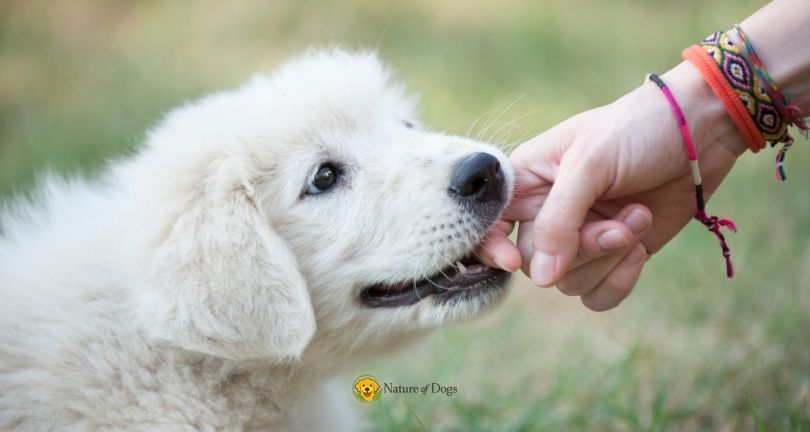
To stop puppy biting without punishment, calmly remove your attention the second teeth touch skin and swap your hands for a chew toy. Puppies bite primarily because they explore the world with their mouths and need relief during teething. Freezing your movement immediately teaches them that biting makes playtime stop.
Why this happens

Puppies bite because mouth play is natural canine communication. When littermates wrestle, they bite to test limits and burn energy. Young dogs also lose baby teeth between twelve and twenty-four weeks of age, which makes their gums sore. Chewing on objects or hands relieves that pressure.
Finally, puppies bite when they get overtired or overstimulated. Just like toddlers, young dogs lose control of their impulses when they miss a nap. If your puppy bites harder during late evenings, they’re probably exhausted rather than aggressive. Giving them a quiet resting spot solves the problem faster than correction.
Redirect teeth onto a toy
Keep a rubber chew toy or rope in your pocket whenever you interact with your puppy. The moment those sharp puppy teeth move toward your fingers, slide the toy directly into their mouth before they make contact. Praise them with a calm voice as soon as their jaws clamp down on the toy instead of your skin.
You’ll know this worked when your dog actively looks for an object to grab whenever they get excited to greet you. If you pull your hands away quickly like prey, the puppy will chase them; if you hold still and offer a toy, the puppy targets the toy. This trade-off requires you to carry toys everywhere for several weeks, but it protects your skin while teaching good habits.
Step away to end attention
If your puppy bites your flesh or clothing, freeze completely and say a neutral word like “time out.” Stand up smoothly, cross your arms, and look at the ceiling for ten to twenty seconds. If they keep jumping and biting your ankles, step over a baby gate or walk behind an interior door until they calm down.
Return to the room once all four paws are on the floor. This method teaches bite inhibition, which the Humane Society of the United States puppy behavior guide notes is a key part of early bite inhibition training. You’ll know it worked when the puppy sits or pauses rather than lunging after a bite.
Enforce quiet crate naps
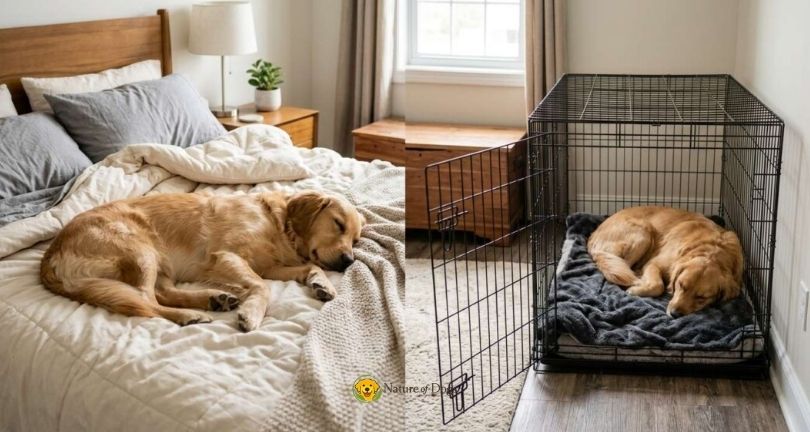
This fix is for puppies that experience sudden evening biting frenzies. When a young dog bites frantically and ignores every toy swap, they’re overtired. Lead your puppy into a dark, quiet crate or pen with a safe chew item, then leave them alone to sleep for one to two hours.
The honest limit is that this varies by breed and age — check your dog’s daily sleep requirements to plan their schedule. This approach isn’t for older dogs showing true resource guarding or defensive aggression. In those severe cases, don’t force them into confinement; consult a certified veterinary behaviorist instead to prevent injury.
What not to do
- Don’t hold your puppy’s muzzle closed, because this causes fear and can make them bite defensively later.
- Don’t yell or squeal loudly, since high-pitched noises mimic injured prey and often excite puppies into biting harder.
- Don’t roll your puppy onto their back, as forced dominance damages your relationship and increases stress levels.
- Don’t tap their nose with your fingers, because fast-moving hands look like a fun game to chase and snap at.
How to stop it happening again
Preventing future bites requires changing your daily habits before the puppy’s teeth touch your skin.
| If you’re doing this | Do this instead | Why |
|---|---|---|
| Roughhousing with bare hands | Use a long tug toy | Hands must never be seen as play targets |
| Letting puppy play until exhausted | Enforce naps every two hours | Overtired puppies lose all impulse control |
| Yanking clothes away from teeth | Stand still and trade for a treat | Jerking fabric triggers natural chase instincts |
| Petting a hyperactive puppy | Wait for a calm sit first | Touching an excited dog rewards pushy mouthiness |
Frequently asked questions
When do puppies stop biting naturally?
Puppies usually stop biting between six and eight months of age. This happens once their adult teeth fully arrive and they learn bite inhibition through training. Consistent redirection speeds up this process, while rough physical play delays it.
Can yelping make biting worse?
Yes, yelping often makes biting worse for high-drive dogs. Many puppies view a sharp human squeal as the sound of prey, which excites them into biting with more force. Moving away silently works far more reliably.
Is my puppy biting aggressively?
No, normal puppy biting involves a loose body, wagging tail, and playful pauses. True aggression is rare in young puppies and features rigid muscles, deep growling, snarling, and hard lunges. If you see stiff body language, contact an animal behaviorist.
How many hours should a puppy sleep?
A young puppy should sleep between sixteen and twenty hours each day, depending on their age and size. Puppies burn energy rapidly during short waking periods. Skipping regular daytime naps causes cranky, hyperactive behavior that directly increases painful biting.
What should I do if my puppy bites my feet while walking?
Stop walking immediately and stand completely still like a tree. Moving feet mimic running animals and invite chase. Keep a toy ready to toss away from your legs so your puppy learns to chase objects instead of moving shoes.
Final Thoughts
Consistency is the secret to success, so stay patient as your puppy grows out of this phase. You’ll see progress soon if you keep your reactions gentle and predictable. Once they’ve learned to be soft with your skin, you’ll have a much more relaxed companion for all your future adventures together.