Dog Zoomies Explained: Triggers and Safe Management Tips
Last Updated on October 4, 2026
Dog zoomies are sudden bursts of running and jumping lasting 30 seconds to 5 minutes. This is a natural release of pent-up energy. They occur after baths, play, or in the evening. This guide walks through the physical triggers, safe management steps, and clear warning signs that tell you when a vet needs to check your pet.
Frenetic Activity Periods in Dogs
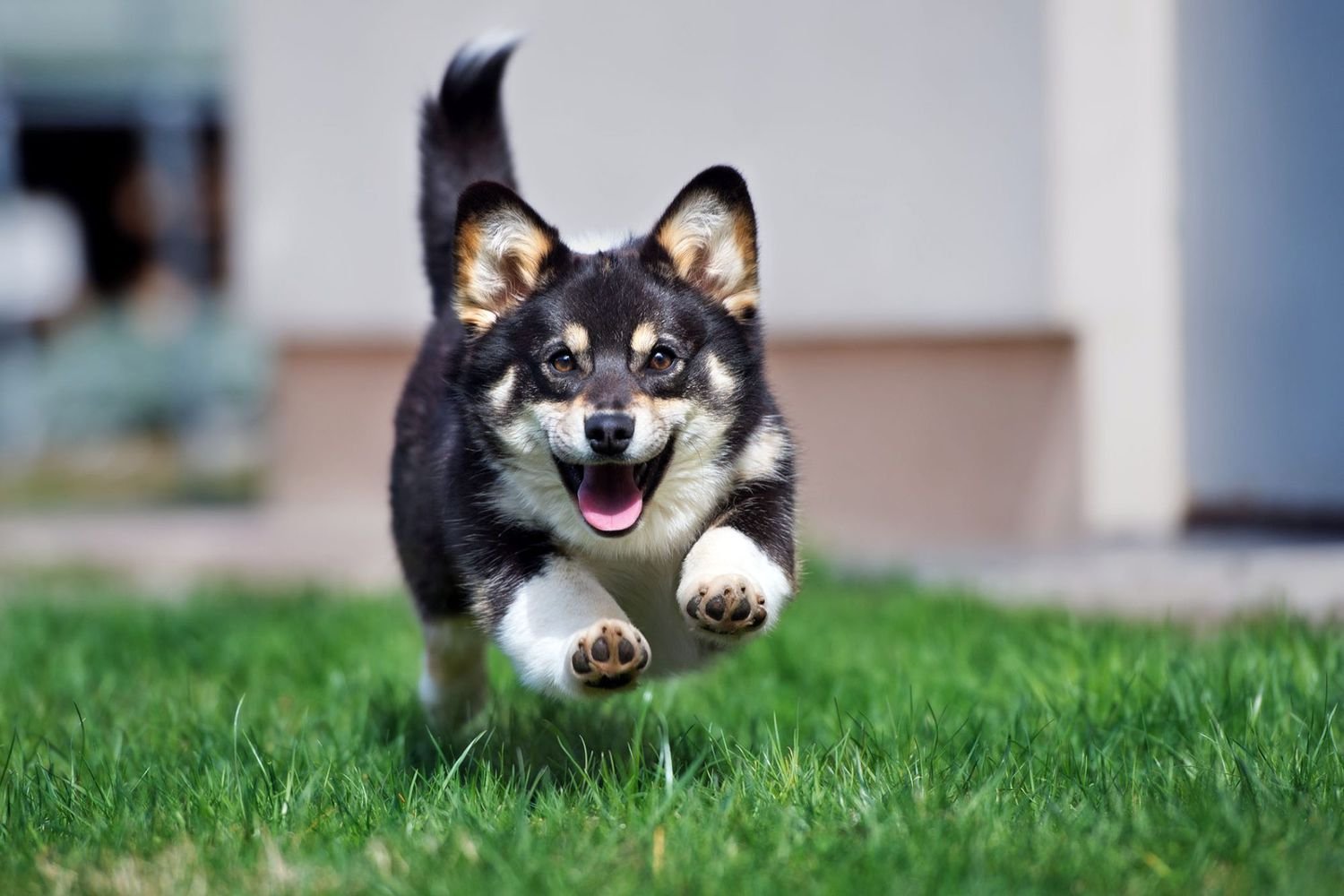
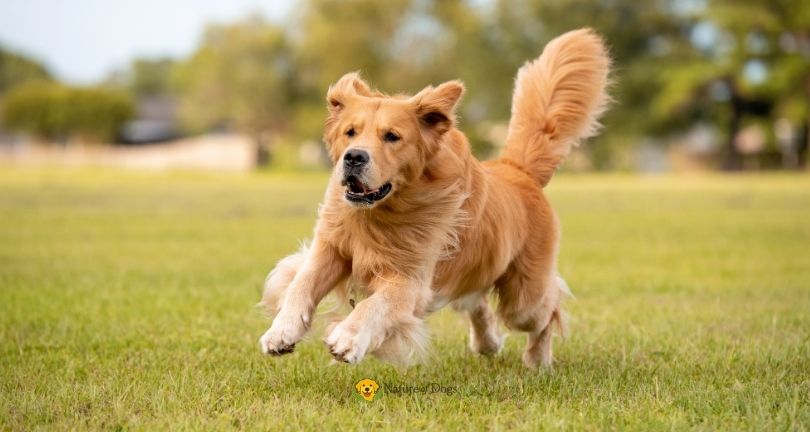
Dog zoomies have a formal scientific name: Frenetic Random Activity Periods, or FRAPs. A dog dashes around in tight circles, tucks its rear end low, and runs at full speed without a set direction. Puppies and young dogs do this most often, but healthy older dogs do too.
The basic method
- Step out of the dog’s path immediately, giving the animal at least 6 feet of clear clearance to run without colliding with you.
- Guide the dog toward a carpeted area or outdoor grass if it starts running on slick hardwood or tile floors.
- Keep your voice quiet and low, avoiding high-pitched squeals or chase movements that increase the dog’s excitement level.
- Stand still for 2 to 5 minutes until the dog slows down, pants heavily, and lies down on its own.
The single judgement call that separates a good result from a bad one is your choice to stand still instead of chasing. If your dog shows extreme aggression, snaps violently, or runs into busy streets, don’t try home training tricks; hire a certified professional dog trainer or a veterinary behaviorist to resolve the safety hazard.
Key numbers and settings at a glance
Managing high-energy bursts depends on the environment and your dog’s current physical state.
| Situation | What to use | How long | What to watch for |
|---|---|---|---|
| Hardwood living room | Area rugs with rubber backings | 1 to 3 minutes | Slipping, splayed legs, hip slides |
| Fenced backyard | Open grass area | 2 to 5 minutes | Fence collisions, hidden holes |
| Post-bath indoors | 2 large dry towels on the floor | 30 to 90 seconds | Shivering, water in ears, sliding |
| Nighttime bedroom | Closed bedroom door | 1 to 2 minutes | Bed jumping, landing on knees |
| Dog park visit | Wide open turf | 2 to 4 minutes | Overexcited dogs joining the sprint |
What separates good results from bad ones
Environmental Setup
Experienced handlers prepare the space long before the burst happens. If the room has slick floors, move your dog to a carpeted room; if you have a fenced yard, open the door and let the dog run outside.
Managing Arousal Levels
Managing zoomies effectively requires knowing what to watch for during the sprint. A clamped jaw, wide eyes, or snapping means the dog isn’t playing. Don’t grab the dog by the collar during the sprint.
Common problems and quick fixes
When zoomies become disruptive, specific adjustments help calm the dog down safely.
| What you notice | What it usually means | What to do first |
|---|---|---|
| Dog bites your ankles while running | Overstimulation and predatory play | Stand still, fold your arms, and look away |
| Dog limps immediately after running | Muscle strain or ligament damage | Restrict movement and call your vet clinic |
Professional Guidelines on Dog Arousal
Short, playful bursts are normal, but chronic hyper-arousal harms canine welfare. The American Kennel Club’s guide to zoomies points out that FRAPs are a standard release of excess energy, not a behavioral illness. Frequent episodes or compulsive tail-chasing indicate an unhealthy state.
If your dog can’t settle after 10 minutes, or if it guards spaces aggressively during these episodes, this is no longer a standard physical release. Consult a veterinary behaviorist to rule out pain or neurological issues.
Maintaining Long-Term Calm
Once a zoomie session ends, give your dog fresh water and a safe chew toy. Chewing lowers a dog’s heart rate naturally by releasing calming endorphins. Keep your evening routines predictable. Consistent feeding times, daily exercise, and regular potty breaks keep these bursts rare and brief.
You’ll know your daily schedule works well when zoomies only happen after high-energy triggers like baths or dog park visits. This varies by breed and age, so check your dog’s daily stamina. If an adult dog starts having daily frantic episodes out of nowhere, it signals that daily mental stimulation needs a boost.
When to use a different approach
This hands-off waiting method is NOT for dogs with medical joint issues, such as severe hip dysplasia, arthritis, or post-surgery healing. Allowing an injured pet to sprint risks permanent joint damage.
The approach also fails for dogs with true separation distress or canine compulsive disorder. A trade-off exists between letting a dog burn energy freely and keeping your home safe. If you have an elderly dog on slippery floors, don’t let it sprint; use a soft harness and a short leash to keep it walking calmly instead.
Frequently asked questions
Can older dogs get zoomies?
Yes, older dogs can get zoomies if they feel playful and healthy. Senior dogs usually have shorter bursts lasting under one minute. Watch their joints carefully on slippery floors, because older dogs tear muscles more easily during sudden turns than young puppies do.
Why do dogs get zoomies after a bath?
Dogs get post-bath zoomies to shake off nervous energy and dry their coats. Being held still during a bath creates tension. Once freed, sprinting helps them warm up, dry their damp fur, and roll to replace their natural scent on carpets.
How long should normal zoomies last?
Normal zoomies last between 30 seconds and 5 minutes. Most dogs burn through their adrenaline supply within 2 minutes and lie down to pant. If the frantic sprinting continues past 10 minutes without stopping, your dog is likely overstimulated and needs a quiet, darkened room to reset.
Is it safe to grab a dog during zoomies?
No, grabbing a sprinting dog is unsafe for both you and your pet. Reaching for a dog running at top speed can sprain its neck, tear a leg ligament, or cause the dog to snap defensively. Wait until the dog stops moving before approaching it calmly.
What happens if a dog gets zoomies on a walk?
If zoomies start on a leash, plant your feet firmly and keep the leash short to avoid tripping. Don’t pull back hard or jerk the collar. Stand still like a post, keep your balance, and wait for the brief physical rush to pass completely.
Final Thoughts
Watching your dog race around can be chaotic, but it’s usually just their way of feeling happy and free. Since you’re now more familiar with these quick energy spikes, try keeping a favorite toy nearby to help them burn off that excitement safely. You’ll both enjoy the bond that comes with playtime.
Related guides