
How to Stop a Dog From Barking at the Door
Last Updated on October 4, 2026
Is your dog constantly barking at the door, driving you and your family crazy? You’re not alone.
Barking can be frustrating, especially when it happens every time someone walks by or rings the bell. But what if you could teach your dog to stay calm instead of reacting loudly? You’ll discover simple, effective ways to stop your dog from barking at the door—methods that you can start using today.
Keep reading, and you’ll soon enjoy a quieter, more peaceful home.
Why Dogs Bark At The Door
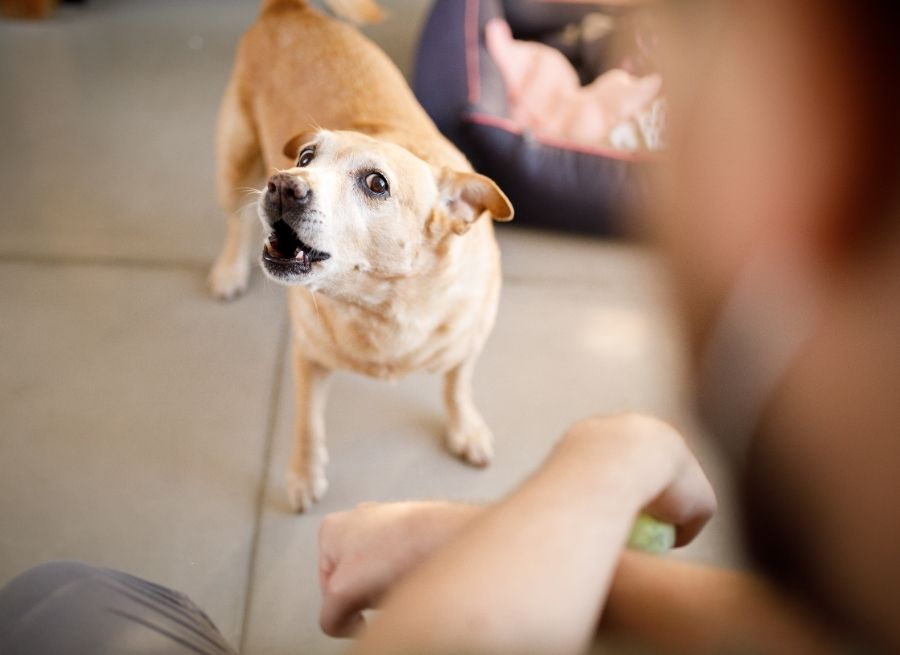
Dogs bark at the door for many reasons. It is their way to communicate. Sometimes, barking shows excitement or alertness. Other times, dogs feel nervous or want attention. Understanding why dogs bark helps to manage it better.
Common Triggers
Doors often bring sounds and sights from outside. Dogs hear footsteps, voices, or animals near the door. These noises catch their attention quickly. Some dogs bark to warn their owners. Others bark because they feel curious or excited.
Breed Tendencies
Some dog breeds bark more than others. Guard dogs bark to protect their home. Small breeds may bark at strangers to seem bigger. Herding dogs use barking to control movement. Knowing your dog’s breed helps predict its barking behavior.
Environmental Factors
The environment around the door affects barking. Busy streets or noisy neighbors increase barking chances. Dogs in quiet homes may bark less. Lack of exercise or boredom can also cause barking. Dogs bark to release energy or stress.
Read More – How to Teach a Dog to Stay for Beginners
Training Techniques To Reduce Barking
Training your dog to stop barking at the door takes patience and clear methods. Consistent training helps your dog learn when to stay quiet. Use simple steps to guide your dog. These techniques build good habits and reduce noise.
Teaching The Quiet Command
Start by letting your dog bark at the door. Wait for a short pause. Say “quiet” in a calm voice. Give a treat when your dog stops barking. Repeat this often. Your dog will connect “quiet” with stopping barking.
Using Positive Reinforcement
Praise your dog when it stays calm at the door. Offer treats or petting as rewards. This encourages good behavior. Avoid yelling or punishment. Positive rewards teach your dog what you want.
Desensitizing To Door Sounds
Play doorbell or knocking sounds quietly. Watch your dog’s reaction. Reward calm behavior with treats. Slowly increase the sound volume over days. This helps your dog get used to door noises. Barking will reduce over time.
Managing The Environment

Managing the environment can help reduce your dog’s barking at the door. Dogs often bark because they see or hear things outside. Changing what your dog experiences nearby can lower the urge to bark. A calm setting keeps your dog relaxed and less reactive.
Small changes around the door area make a big difference. Blocking sights and sounds helps your dog focus on other things. Creating a peaceful space and using barriers can stop barking before it starts.
Limiting Visual Stimuli
Dogs bark at the door when they see people or animals outside. Cover windows or use frosted glass to block their view. Close curtains or blinds during busy times. This stops your dog from reacting to every movement. Less visual input means less barking.
Creating A Calm Space
Set up a quiet area away from the door for your dog. Use soft bedding and toys to make it inviting. Play gentle music to mask outside noises. A calm space helps your dog feel safe and less alert. This reduces stress and the need to bark.
Using Barriers Or Gates
Barriers or baby gates can keep your dog away from the door. This limits their access to the trigger. Choose a gate tall enough to stop jumping over. It helps control barking by changing your dog’s location. Physical barriers work well for training and safety.
Read More – How to Stop a Dog From Jumping on Guests
Tools And Aids To Control Barking
Controlling a dog’s barking at the door can be challenging. Tools and aids can help reduce the noise and keep peace at home. These devices work by distracting or training your dog. Using the right tool can make a big difference in behavior.
Bark Collars: Pros And Cons
Bark collars detect barking and respond with a signal. Some use vibration, sound, or mild static. They can stop barking quickly. Some dogs learn to stop barking to avoid the signal. Not all dogs like wearing collars. Some collars may cause stress or discomfort. Choose a collar that fits well and use it carefully.
White Noise Machines
White noise machines mask sounds outside the door. They create a steady noise to cover noises that trigger barking. This helps calm your dog by reducing sudden sounds. Easy to use and safe for all dogs. Place the machine near the door or your dog’s resting spot. Helps create a peaceful environment.
Interactive Toys
Interactive toys keep dogs busy and distracted. They reduce boredom, which can cause barking. Toys like treat puzzles or chew toys work well. These toys give mental and physical exercise. A tired dog barks less. Use toys during times when barking is common. This helps change your dog’s focus from the door.
Preventing Future Barking Issues
Stopping your dog from barking at the door is just the first step. Preventing future barking problems keeps your home peaceful and your dog happy. It takes effort and good habits to reduce barking for good. Focus on healthy daily practices to build calm behavior.
Dogs need more than training to stop barking. They need care, attention, and a steady routine. This helps lower stress and excitement that cause barking. Use these simple steps to keep your dog calm and quiet.
Regular Exercise And Mental Stimulation
Exercise helps your dog burn off energy that might cause barking. A tired dog is usually a quiet dog. Take your dog for daily walks or play fetch in the yard. Mental games like puzzle toys also keep your dog busy.
Challenge your dog’s mind with simple tasks. Hide treats or teach new tricks. These activities reduce boredom and stop barking out of frustration or anxiety.
Consistent Routine
Dogs feel safe with a steady daily routine. Feed, walk, and play at the same times each day. A schedule lowers anxiety and unwanted barking. Your dog learns what to expect and feels calm.
Stick to your routine even on weekends or holidays. Consistency helps your dog stay relaxed near the door and less likely to bark.
Socialization With Visitors
Meeting new people regularly helps dogs get used to visitors. Invite friends over often to practice calm greetings. Reward quiet behavior and gentle greetings.
Teach your dog that visitors are not threats. This reduces barking caused by fear or excitement. Socialization builds confidence and trust in your dog.
Read More – How to Teach a Dog to Come When Called Outside
Frequently Asked Questions
How Can I Train My Dog To Stop Barking At The Door?
Use consistent commands like “quiet” and reward silence with treats. Practice daily to reinforce calm behavior near the door.
Why Does My Dog Bark Excessively At The Door?
Dogs bark at the door due to excitement, fear, or territorial instincts. Identifying the cause helps address the behavior effectively.
What Tools Help Reduce Door Barking In Dogs?
Tools like anti-bark collars, white noise machines, and door barriers can reduce barking. Use them alongside training for best results.
How Long Does It Take To Stop Door Barking?
Training duration varies but expect consistent effort for 2 to 4 weeks. Patience and positive reinforcement speed up progress.
Conclusion
Stopping your dog from barking at the door takes patience and practice. Consistent training helps your dog stay calm and quiet. Reward good behavior with treats or praise. Avoid yelling, as it can make barking worse. Remember, your dog barks to communicate, so understand their needs.
Over time, your dog will learn when to stay silent. Keep sessions short and positive. Quiet doors make a happier home for you and your dog. Small steps lead to big improvements. Stay calm, be patient, and keep training every day.