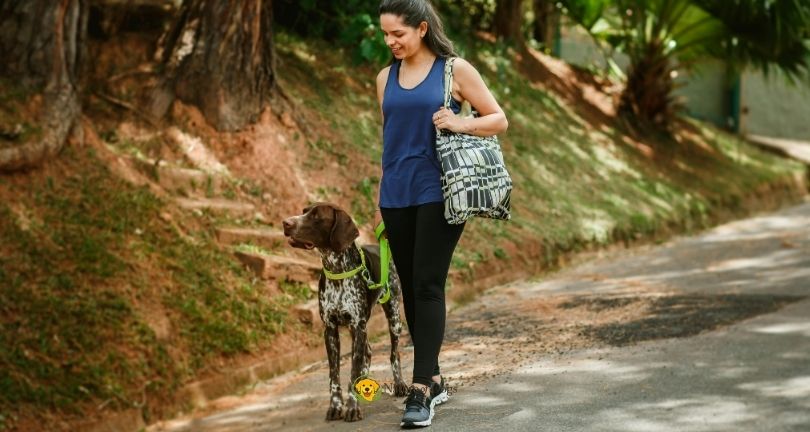

How to Teach a Dog to Come When Called Outside
Last Updated on October 4, 2026
If you want your dog to come to you every time you call, especially when outside, you’re in the right place. Teaching this simple command can keep your furry friend safe and give you peace of mind.
But it’s not always easy—distractions, excitement, and unfamiliar surroundings can make your dog ignore you. The good news? With the right steps, patience, and a bit of practice, you can turn your dog into a reliable companion who listens every time.
Keep reading, and you’ll discover easy tips that make teaching your dog to come when called outside both fun and effective.
Choosing The Right Training Tools

Choosing the right training tools helps your dog learn to come quickly and happily. Tools support clear communication between you and your dog. They make training easier and more fun. Pick tools that suit your dog’s size and personality. The right tools keep your dog safe during outdoor training sessions.
Collars And Leashes
Use a sturdy collar that fits well but is not too tight. A flat collar works best for most dogs. Avoid choke or prong collars for gentle training. Choose a leash that is strong and about 6 feet long. A longer leash gives your dog some freedom while keeping control. This helps your dog learn to come back without running off.
Treats And Rewards
Choose small, tasty treats your dog loves. Soft treats work well because they are easy to chew fast. Reward your dog immediately when it comes to you. Praise and petting also make good rewards. Keep treats handy during training but use them sparingly. This keeps your dog eager to listen and come when called.
Clickers And Whistles
Clickers make a clear, consistent sound to mark good behavior. They help your dog understand exactly when to come. Whistles carry sound far and can get your dog’s attention outdoors. Choose a whistle with a sharp, pleasant tone. Use the clicker or whistle every time your dog obeys the recall command. This builds a strong habit of coming when called.
Read More – How to Train a Puppy to Sleep Through the Night
Starting Indoors With Basic Commands
Teaching your dog to come when called starts indoors. This controlled space helps your dog focus. Inside, distractions are fewer, making learning easier. Begin with simple commands your dog already knows. This builds confidence and sets a clear foundation. Consistency and patience matter most during this stage.
Using A Consistent Cue
Choose one clear word for your recall command. Words like “come” or “here” work well. Say the cue the same way every time. Avoid using different words or sounds. This helps your dog understand what you want. Keep your tone friendly and inviting. Your dog should feel happy to respond.
Positive Reinforcement Techniques
Reward your dog immediately after they come to you. Use treats, praise, or a favorite toy. This shows your dog that coming is good. Avoid punishment if your dog takes time. Rewards help your dog learn faster. Keep the mood upbeat and encouraging.
Short Training Sessions
Train in short bursts of five to ten minutes. Long sessions can tire your dog or cause boredom. Frequent, short sessions improve learning and memory. End sessions on a positive note. This keeps your dog excited for the next training.
Transitioning To The Backyard

Teaching your dog to come when called inside is a good start. The backyard is the next step. It offers more space and new challenges. Your dog needs to learn to obey outside, too. This requires patience and practice in a safe space.
Controlled Environment Setup
Start in a small, enclosed area of the backyard. Use a leash or long line to keep control. This helps prevent your dog from running away. Remove toys or distractions at first. Keep the area quiet and calm. This setup makes learning easier for your dog.
Increasing Distance Gradually
Call your dog from a short distance first. Praise and reward your dog when it comes. Slowly increase the distance over time. Take small steps to avoid confusion. Let your dog succeed often to build confidence. Practice regularly to improve recall skills.
Managing Distractions
Backyards have many distractions like birds or neighbors. Start training when the yard is quiet. Gradually add distractions as your dog improves. Use high-value treats or toys to keep attention. Stay patient and calm during distractions. This teaches your dog to focus on you.
Training In Public Spaces
Training your dog to come when called outside is more challenging than indoors. Public spaces have many sights, sounds, and smells that distract your dog. Consistent practice in these areas builds your dog’s focus and reliability. Start small and stay patient. The goal is to make your dog respond every time, no matter the surroundings.
Leash Off Vs. Leash On
Begin training with the leash on. It keeps your dog safe and close. You can gently guide your dog if they get distracted. Once your dog listens well, try leash off in a safe, enclosed area. This step lets your dog practice freedom while still learning to come back. Always use a long leash or a fenced space at first.
Handling Unexpected Distractions
Public places have many distractions like other dogs, people, and noises. Stay calm and patient. Call your dog with a happy voice. If your dog ignores you, do not chase. Go back and try again with fewer distractions. Gradually increase difficulty as your dog improves. This helps your dog learn to listen no matter what.
Using High-value Rewards
Use treats or toys your dog loves most. Save these special rewards only for recall training outside. This makes your dog excited to come when called. Praise your dog warmly and give a treat immediately. High-value rewards help your dog focus on you instead of distractions. Change rewards sometimes to keep your dog interested.
Read More – How to Help a Senior Dog Get Up More Easily
Common Mistakes To Avoid
Teaching a dog to come when called outside can be tricky. Many dog owners make mistakes that slow down progress. Avoiding common errors helps your dog learn faster and with less stress. Here are the key mistakes to watch out for during training.
Punishing Non-compliance
Never punish your dog if it does not come right away. Punishment makes your dog afraid of you or the command. It may cause your dog to run away more often. Instead, reward your dog when it comes. Rewards build trust and make the dog want to listen.
Inconsistent Commands
Use the same word and tone every time you call your dog. Changing commands confuses your dog and slows learning. Make sure everyone in the family uses the same word. Consistency helps your dog understand what you want quickly.
Overusing The Recall Command
Do not call your dog too often without reason. If you call your dog all the time, it may ignore you. Use the recall command only when you want your dog to come. This makes the command special and important in your dog’s mind.
Maintaining Recall Skills Over Time
Maintaining your dog’s recall skills over time is key to keeping them safe outdoors. Dogs can forget commands if you stop practicing. Regular training helps your dog stay sharp and responsive. It also builds trust between you and your dog. Here are some tips to keep recall skills strong.
Regular Practice Sessions
Practice recall daily or several times a week. Short, frequent sessions work best. Use treats or praise as rewards. Keep sessions quick to hold your dog’s attention. Consistency is important to reinforce the behavior. Practice at different times of day for variety.
Varying Training Locations
Train in different places to avoid boredom. Start in a quiet spot, then try busier areas. Each new location adds distractions your dog must ignore. This builds stronger recall skills. Use safe, enclosed areas for new spots. Change environments gradually to keep your dog confident.
Keeping Training Fun And Engaging
Make recall training enjoyable for your dog. Use happy tones and exciting rewards. Play short games after your dog comes to you. Avoid punishment or harsh tones. Fun training keeps your dog eager to respond. Mix training with walks or playtime for variety.
Safety Tips For Outdoor Recall Training
Outdoor recall training helps your dog learn to come when called. Safety is very important during this training. It keeps your dog safe and makes training more effective. These tips will help you train your dog outside without worries.
Avoiding Dangerous Areas
Choose safe places for training. Stay away from busy roads and places with sharp objects. Avoid areas with wild animals or toxic plants. Pick quiet parks or fenced yards to keep your dog safe. Check the area before letting your dog off the leash.
Using Identification Tags
Always put ID tags on your dog’s collar. Tags should have your phone number and your dog’s name. This helps if your dog runs away. Microchipping your dog adds extra safety. Identification makes it easier to find your dog quickly.
Supervising Off-leash Time
Never leave your dog off-leash alone. Watch your dog closely during training. Stay close enough to call your dog back fast. This helps prevent accidents or your dog running too far. Supervision builds trust between you and your dog.
Read More – How to Teach a Dog to Walk Without Pulling
Frequently Asked Questions
How Long Does It Take To Train A Dog To Come?
Training time varies by dog but usually takes a few weeks. Consistency and positive reinforcement speed up learning. Daily practice in different environments helps your dog respond reliably when called outside.
What Is The Best Reward For Recall Training?
High-value treats like small pieces of chicken or cheese work best. Praise and petting also motivate dogs. Use rewards immediately after your dog comes to reinforce the behavior clearly and positively.
How Do I Prevent My Dog From Ignoring Recall Outside?
Use a long leash for controlled practice outdoors. Start in distraction-free areas, gradually increasing difficulty. Never punish your dog for coming late; always reward them to build trust and eagerness.
Can Older Dogs Learn To Come When Called?
Yes, older dogs can learn with patience and consistency. Use positive reinforcement and keep training sessions short and fun. Adjust your approach based on your dog’s energy and motivation levels.
Conclusion
Teaching your dog to come when called takes time and patience. Practice often in different places outside. Use clear, simple commands and reward your dog each time. Keep training sessions short and fun to hold their attention. Stay calm and positive, even if your dog doesn’t listen right away.
Consistency helps your dog learn and trust you. Soon, your dog will happily come when called. Enjoy the special bond this training creates between you and your dog.