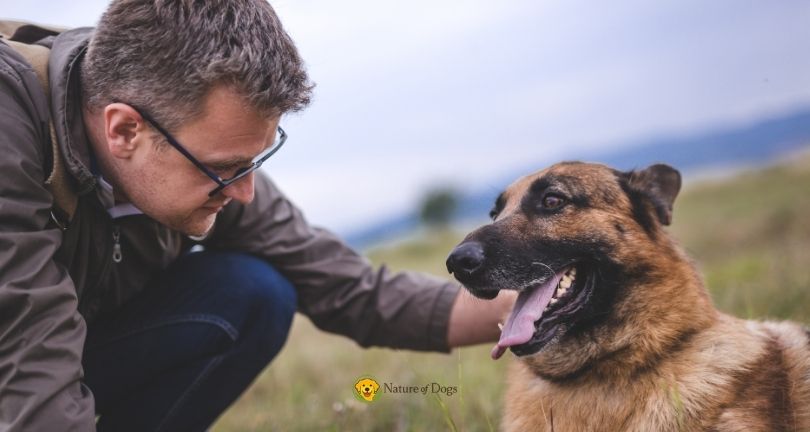
Why Do Dogs Follow You Everywhere? Reasons for the Behavior
Last Updated on October 4, 2026
Dogs trail your steps because you provide safety, routine, and social connection, which resolves why dogs follow you everywhere when your daily actions bring food, play, or comfort.
Why dogs follow you around

| Part or input | What it does | What you notice when it goes wrong |
|---|---|---|
| Breed working instinct | Drives herding or close guardian habits | Pacing and ankle nipping indoors |
| Social bonding cues | Releases oxytocin during direct shared contact | Whining whenever a closed door blocks access |
| Daily schedule memory | Tracks exact times for food or walks | Staring intently 30 minutes before mealtime |
| Reinforcement history | Remembers past treats given from your hands | Begging whenever you walk toward the kitchen |
| Stress alarm system | Triggers flight or cling responses to fear | Trembling and tight body pressing during storms |
What happens, step by step
- You stand up from your chair, shifting your weight and creating an audible physical cue that catches your pet’s attention within 2 seconds.
- The dog’s ears perk toward your location, tracking your movement across the room to calculate whether this trip involves the front door, the kitchen, or casual pacing.
- If you walk toward the kitchen pantry, the animal matches your walking speed over roughly 5 to 10 seconds, anticipating a potential food reward from past routines.
- If you enter the bathroom and close the door, the dog checks the closed barrier for 10 to 30 seconds before sitting down directly against the door frame.
- You open the door again, and the dog immediately sniffs your hands and establishes direct eye contact to check if your emotional state or planned activity shifted.
- As you sit back down in your primary workspace, the dog turns two slow circles over 15 seconds and curls up against your feet to rest.
Why this matters when something goes wrong
Following you from room to room is usually harmless bonding, but it turns into a health issue when the animal can’t stay calm without your body heat. A classic mistake people make is treating frantic following as simple affection, which costs them quiet nights, creates destroyed door frames, and leaves the animal in chronic panic. When trailing becomes compulsive, the underlying cause is panic rather than loyalty.
If your dog pants, drools, or scratches at woodwork the second a wall separates you, you’re looking at separation distress. If the animal simply rests on the carpet near your chair and naps while you work, the habit is normal companionship. This varies by individual dog and breed; check your dog’s specific breed history, as working breeds often stick closer than independent hounds.
What you can change, and what you cannot
What you can control
- The timing and location of treats, so the dog learns rewards happen away from your feet.
- Teaching a solid stay command on a dedicated dog mat placed 10 feet away.
- Your immediate reactions, avoiding loud greetings when moving between rooms.
- Daily physical exercise routines to lower baseline physical energy indoors.
What you can’t control
- Inborn working genetics, such as a Border Collie’s drive to gather humans.
- Natural pack instincts that make domestic canines seek companionship for basic safety.
- Sound sensitivity caused by failing ears in senior animals.
If your dog harms itself, refuses food, or damages walls when kept apart from you, stop home fixes immediately and consult a certified veterinary behaviorist.
Getting more out of it
A helpful decision rule sets your daily path: if the dog rests quietly while trailing you, let the habit continue; if the dog pants and whines at every doorway, start distance training immediately. This training isn’t for dogs with sudden pain or sensory loss, because they need medical reassurance instead of distance.
The trade-off of ignoring constant shadow behavior is an animal that can’t handle basic boarding or emergency hospital stays without heavy sedatives. Set a fixed 20-minute daily practice where the animal stays on a bed with a chew toy while you work in another room. Measure progress by watching whether the dog rests its chin on the floor instead of keeping its ears pointed straight up.
Frequently asked questions
Why does my dog follow me to the bathroom?
Because a bathroom visit traps you in one stationary spot, giving your dog guaranteed social access without any sudden movements or surprises. Closed doors also block an animal’s natural territory view, so dogs prefer walking inside to avoid being shut outside the small room.
Can a dog follow you too much?
Yes, trailing becomes dangerous when the dog can’t rest, pants heavily, or screams if an interior door closes between you. Constant shadowing paired with rapid breathing signals severe attachment anxiety rather than calm household curiosity, requiring behavioral intervention before destructive habits form.
How long should a dog stay alone in a room?
Puppies under 6 months need potty breaks every 2 to 3 hours, so their solo limits remain significantly shorter.
Is it safe to shut doors on a clingy dog?
Yes, closing interior doors is entirely safe and helps teach emotional independence, provided your pet doesn’t self-injure by digging at carpet or biting frames. Start with brief 30-second closures, rewarding quiet waits with praise once you step back through the entryway.
What happens if I ignore my dog following me?
Nothing bad happens, and ignoring quiet trailing usually teaches the dog that your foot movement is ordinary rather than an invitation to play. Withholding eye contact during routine trips prevents accidental treat begging while keeping the overall household environment calm and predictable.
Does breed matter for following habits?
Yes, herding and companion breeds stay significantly closer to human legs than independent hunting hounds or guardian livestock breeds. Working lines were bred for generations to read minute human body signals, which naturally keeps them glued to your steps all day long.
Final Thoughts
Ultimately, this constant companionship is your dog’s way of saying they feel secure by your side. If you’re feeling a bit crowded, try setting up a cozy bed in your favorite room so they can stay close without being right underfoot. It’s a simple way to keep them happy and nearby.