
Why Do Dogs Tilt Their Heads? The Science Behind the Behavior
Last Updated on October 4, 2026
Dogs tilt their heads primarily to hear you more clearly and see your mouth around their muzzle. Why do dogs tilt their heads? It comes down to focus: the head movement changes how sound waves enter their ear canals and moves their snout out of their lower line of sight.
Why dogs tilt their heads
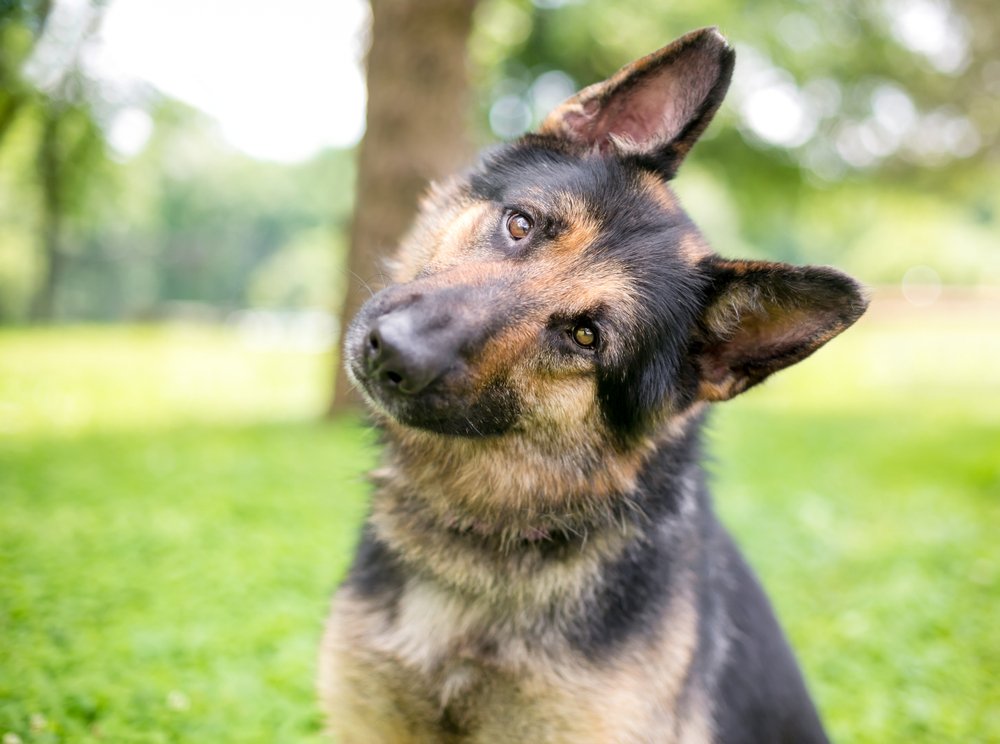
- Sound localization changes when a dog tilts its head by exposing the ear canal to direct acoustic waves.
- Long-snouted dogs tilt their heads more frequently than flat-faced breeds to clear their visual field.
- Head tilts occurring only during spoken words show social engagement and focused listening.
- A constant tilt that doesn’t reset when the dog relaxes indicates an inner ear or balance problem.
- Check the ear flap for redness, strong odor, or dark wax before assuming a tilt is behavioral.
- If a tilt comes with abnormal eye flicking or stumbling, see a veterinarian within 24 hours.
Why canine posture shifts during sound
Dogs adjust their outer ears, called pinnae, to pinpoint where sounds come from. While humans have flat ears on the sides of the head, a dog’s directional pinnae catch sound waves differently depending on the angle. Tilting the skull changes the exact arrival time of a sound between the left and right ears, which lets the brain judge distance and sound localization with higher precision.
Vision provides the second mechanical reason. A dog’s muzzle blocks the lower part of its central vision. By tilting the head sideways, the dog shifts its eyes to see human facial expressions and mouth movements without the snout blocking the view. A study published in Animal Cognition found that gifted word-learner dogs tilted their heads significantly more often than typical dogs when hearing familiar toy names. This shows the movement links directly to mental processing and auditory attention.
The trade-off of this posture is temporary: it gives the dog sharper visual and auditory data for a few seconds, but it narrows their wide peripheral vision. If the dog tilts its head while you speak, it’s processing your tone; if it tilts while walking or resting, the physical balance system inside the ear may be inflamed.
When the answer is different
Certain symptoms change a harmless listening tilt into an urgent health issue.
| Situation | What changes | What to do instead |
|---|---|---|
| Ear canal smells sweet or foul | Infection causes pain and swelling | Visit a veterinarian for ear cytology |
| Eyes flick rapidly side to side | Vestibular system balance is disrupted | Seek same-day veterinary care |
| Dog tilts head while eating only | Jaw or tooth root pain present | Schedule an oral dental exam |
| Tilting occurs with a wobbly walk | Neurological coordination is failing | Restrict movement and call the clinic |
| Tilt stays fixed during sleep | Physical problem, not communication | Book an appointment for ear checks |
How to do it properly
- Observe the dog in silence for 2 minutes to confirm the head sits completely level when no sound occurs.
- Say a familiar cue word like “walk” or “treat” at normal speaking volume to see if the tilt triggers instantly.
- Note if the tilt resets to neutral within 5 seconds after you finish speaking to confirm normal muscular control.
- Lift the ear flap gently under bright light to inspect the canal skin for redness, swelling, or crusts.
- Smell the ear opening from 2 inches away to verify there’s no yeast or pungent bacterial odor.
- Check both eyes for 10 seconds to ensure the pupils are the same size and not flicking side to side.
- Call a licensed veterinarian if the head remains stuck at an angle after all sounds stop.
The mistakes that ruin it
- Assuming a constant head tilt is just an affectionate habit; this mistake delays treatment for painful middle-ear infections that can rupture the eardrum.
- Pouring liquid ear cleaners into an infected ear without a diagnosis; if the tympanic membrane is torn, cleaning solutions can cause permanent deafness.
- Ignoring subtle balance changes like stumbling on stairs, which allows vestibular disease or inner ear inflammation to worsen unchecked.
- Scolding a dog for ignoring commands when its head is tilted, which misinterprets a physical hearing deficit as bad behavior.
Frequently asked questions
Can ear infections cause head tilting?
Yes, ear infections frequently trigger a head tilt because swelling and fluid buildup cause deep discomfort in the canal. The dog tilts to ease internal pressure or balance changes. If you notice head shaking alongside the tilt, you’ll need antibiotic drops prescribed by a clinic.
Why do puppies tilt their heads more than adult dogs?
Puppies tilt their heads more because their brains are still learning to interpret human vocal tones and map sound sources. Their attention spans are short, so they rely on exaggerated physical adjustments to focus. This behavior naturally lessens as their hearing and visual processing fully mature.
Is it safe to wait and see if a head tilt stops?
No, it isn’t safe to wait if the tilt is constant and lasts longer than an hour. A tilt that stays fixed points toward inner ear trauma or sudden vestibular syndrome. This isn’t for home monitoring; delay can lead to permanent balance loss.
Does a head tilt mean a dog has had a stroke?
No, true strokes are rare in dogs, though old dog vestibular disease looks very similar. This condition strikes the balance organs suddenly, causing a severe head tilt, rolling eyes, and stumbling. A vet can diagnose this accurately; the severity and specific presentation vary, so check the symptoms closely.
What happens if only one ear stays lowered?
An ear that stays pinned down usually indicates direct pain, a grass awn foreign body, or an aural hematoma. The dog lowers the painful ear toward the shoulder to protect the tissue. A veterinarian must use an otoscope to look deep inside the horizontal canal safely.
Why do flat-faced dogs tilt their heads less often?
Flat-faced breeds tilt their heads less because their short snouts don’t block their lower field of vision. A boxer or pug can see your entire mouth without shifting its skull. Longer-nosed breeds like collies must tilt their heads significantly more to clear that physical sight obstruction.
Final Thoughts
Next time your pup turns their head while you’re chatting, pay attention to their eyes and ears. They’re simply trying to understand you better. You don’t need to change a thing, but you’ll probably find yourself smiling back. It’s just one of the many sweet ways they stay connected to you.
Related guides